SpaceX picks Qualcomm to build Starlink Mobile's nationwide 5G network
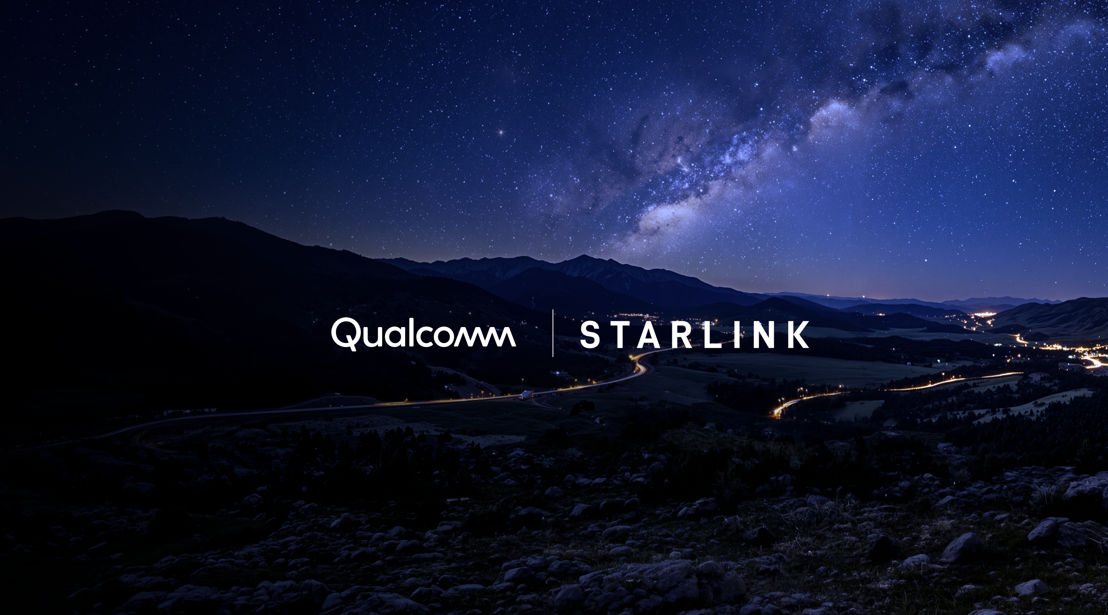
SpaceX has chosen Qualcomm to supply the terrestrial radios that will carry Starlink Mobile across the United States.
In a joint announcement on November 4, the two companies said SpaceX will use Qualcomm's Dragonwing QRU100 5G Radio Units and QDU100 Distributed Units as the radio access network for Starlink Mobile. The first wave of sites is expected to go live in 2027. The build is meant to put Starlink's direct-to-cell service onto a nationwide terrestrial 5G grid, not just the satellites already in orbit.
Qualcomm's pitch is density and openness. The QRU100 is a 64T64R Massive MIMO radio. In plain English: sixty-four transmit and sixty-four receive antenna paths in a single unit, which is how operators pack more capacity into a cell without planting another tower every few blocks. The QDU100 is the distributed unit that sits behind those radios and talks to the rest of the network. Both products are designed around open RAN interfaces, so a carrier can mix vendors instead of buying an entire stack from one supplier.
That matters for Starlink Mobile because the service is trying to do two things at once. The satellite constellation already reaches phones that support direct-to-cell. The terrestrial layer is how SpaceX fills in capacity, indoor coverage and the dense urban traffic that satellites alone struggle with. Pairing a satellite operator with a chip and radio vendor is the industrial version of that idea: one company owns the sky, the other owns the silicon on the ground.
The scale Qualcomm described is not a pilot. The companies said SpaceX plans to deploy tens of thousands of these radio units across the United States. That is carrier-grade language, not a lab demo. It also puts Qualcomm deeper into the infrastructure side of 5G, beyond the handset modems the company is better known for.
Durga Malladi, Qualcomm's general manager of wireless infrastructure and networking, framed the deal as a way to speed a "next-generation hybrid network" that blends satellite and terrestrial 5G. Elon Musk amplified the announcement the same day by reposting Malladi's note on X. The underlying press materials are Qualcomm's; the distribution push came from Musk's account as well as the usual SpaceX and telecom beat coverage.
None of this makes Starlink Mobile a finished product. Spectrum partnerships, handset support and carrier roaming still decide whether a phone in a dead zone actually connects. What the Qualcomm deal does settle is the radio vendor for the US terrestrial build and a rough calendar: hardware selection now, sites from 2027. For a project that has lived mostly as satellite demos and regulatory filings, that is a concrete next step.
*Image: SpaceX and Qualcomm Starlink Mobile announcement graphic. Photo: Qualcomm.*
Source: Qualcomm