
The hotel room workout: a complete session in 20 minutes, with no equipment
The hotel gym is a treadmill facing a mirror. The room is better equipped than it looks. A 12-exercise circuit built from the floor, the wall and a chair, how to make it harder, how to stay safe, and what to do about the flight either side.
By Beau Brummell · November 1, 2026 · 5 min read
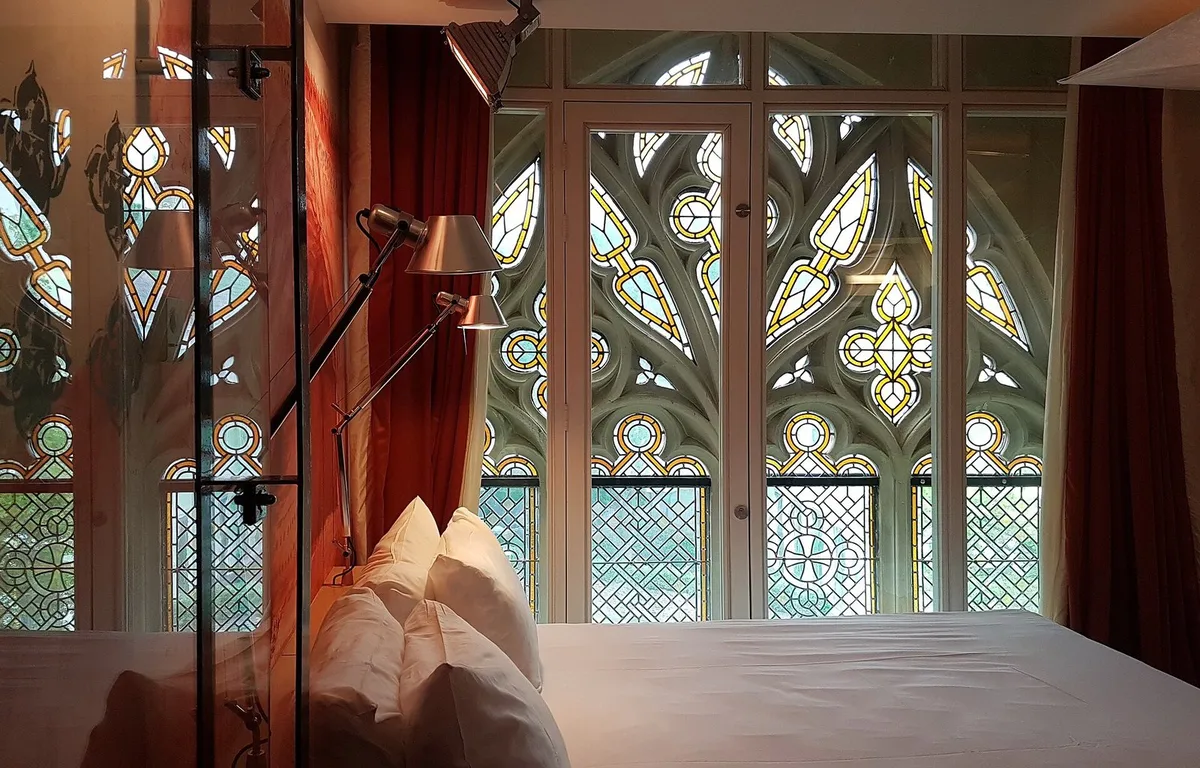
The hotel gym is usually a treadmill facing a mirror, open from six. The room upstairs is better equipped than it looks. It has a floor, a wall, a sturdy chair, a bed and a door that closes. That is everything a serious session needs.
Fitness rarely falls apart on the road for lack of a gym. It falls apart for lack of a plan. Three nights away turn into a week of airport food, late dinners and no exercise. Then you spend a fortnight at home earning back what you lost. The fix is to decide the session before you pack: short enough to do at half past six before a breakfast meeting, and hard enough to count.
What a week away should still contain
The US Physical Activity Guidelines ask adults for 150 to 300 minutes of moderate activity a week, or 75 to 150 minutes of vigorous activity, plus muscle-strengthening work on at least two days. A business trip does not suspend any of it.
A simple rule of thumb for the road: strength work three times a week, 8,000 to 10,000 steps a day, seven to eight hours of sleep and plenty of protein. Walking does most of the work, and a city you are visiting is the best treadmill there is.
Warm up first (three minutes)
Do not go from the bed straight into jumping jacks. March on the spot for a minute, swinging the arms. Then do ten slow arm circles each way and ten hip circles each way. Finish with ten slow bodyweight squats, sitting back as if into a chair. You should be warm, not out of breath.
The circuit
This is the 12-station sequence published in 2013 by Brett Klika and Chris Jordan in ACSM's Health & Fitness Journal. It is the routine later popularised as the seven-minute workout. Each exercise runs for 30 seconds, with about ten seconds to move between them. The order matters: it alternates the large muscle groups so that one rests while the next one works. One round takes about seven minutes. The authors suggest repeating it two or three times.
- Jumping jacks. If someone is sleeping in the room below, do step jacks instead: step one foot out to the side as the arms rise, with no jump.
- Wall sit. Back flat against a bare wall, thighs parallel to the floor and knees over the ankles. Use a wall, not the wardrobe door.
- Push-up. If full push-ups are too hard, put your hands on the edge of the desk or bed. If they are too easy, put your feet up there instead.
- Crunch. On the floor, with a folded towel under the lower back if the carpet is thin.
- Step-up onto a chair. Use a solid chair without wheels and push it back against a wall. If the room only has an office chair on castors, use the bottom step of the fire stairs.
- Squat. Feet shoulder-width apart, chest up, as deep as you can go with control.
- Triceps dip on a chair. Same rule: a fixed chair, braced against the wall.
- Plank. Forearms on the floor, body in one straight line, breathing steadily.
- High knees. Running on the spot, bringing the knees up towards hip height.
- Lunge. Alternate legs, with the front knee over the ankle.
- Push-up and rotation. At the top of each push-up, rotate onto one hand and reach the other arm to the ceiling, alternating sides.
- Side plank. Fifteen seconds on each side.
Harder, without any kit
Once three rounds become comfortable, make the exercises harder rather than longer. Lower slowly, taking three seconds on the way down for squats and push-ups. Pause at the bottom. Swap the squats for split squats with the back foot on the edge of the bed, and the push-ups for push-ups with your feet on the bed. A packed holdall with sturdy handles makes a passable weight for squats and one-arm rows.
Safety
The circuit is meant to be hard, and the people who designed it say so. Their advice is sensible. Do not hold your breath while straining, particularly in the wall sit and the plank. People with high blood pressure or heart disease should take care with those static holds or skip them. If you have a medical condition, are coming back from an injury or have not exercised in a while, ask a doctor before you start. Stop if you feel dizzy, faint or any pain in the chest. Hotel air and aeroplane air are both dry, so drink water.
Two things worth packing
If there is a hotel gym
Use it for the strength work it makes possible. Warm up for five minutes on whatever machine is free. Then do three sets of eight to twelve of each: dumbbell goblet squat, one-arm dumbbell row, dumbbell bench press, Romanian deadlift and split squat. Finish with ten minutes of intervals on the bike or rower, 30 seconds hard and 90 seconds easy. The whole session takes forty minutes, and nobody needs the mirror.
The travel day
The flight is the least active day of any trip. Health authorities advise long-haul passengers to move their legs often and to get up and walk when they safely can, because long periods of sitting raise the risk of blood clots. Flex and point the ankles in your seat. Walk the terminal instead of sitting at the gate.
When you land, go outside. Daylight is the strongest signal the body clock has, and a walk in it does more for jet lag than another coffee. Save the circuit for the next morning, at the hour you mean to keep for the rest of the trip.
Beau Brummell, who had firm opinions on almost everything, never set down an exercise regime, and none should be invented for him. What his biographers record is walking. In London he took a sedan chair in wet weather "but more often he walked". In exile at Caen he walked the Cours Caffarelli every day. Walking every day, on foot and properly dressed, is the habit that travels best.
Sources: Brett Klika and Chris Jordan, "High-intensity circuit training using body weight: maximum results with minimal investment", ACSM's Health & Fitness Journal (2013); US Department of Health and Human Services, Physical Activity Guidelines for Americans, 2nd edition (2018); US Centers for Disease Control and Prevention, guidance on blood clots and travel; Ian Kelly, Beau Brummell: The Ultimate Man of Style (2006).