Expensive But Worth It
Buy once, cry once: the things where value matters more than cost, from a housekeeper to cedar shoe trees.
By Beau Brummell · October 31, 2026 · 6 min read
Most people think about money backwards. They focus on what something costs, not what it's worth. A cheap mattress, cheap shoes and a cheap hotel all feel like savings until you add up what they actually cost you in comfort, time and replacements.
John LeFevre made this case in an April 2023 issue of The Graze, "Expensive But Worth It." He opened with the principle behind the whole list:
"One common mistake people make is focusing on the cost of something, as opposed to its value. Think, "buy once, cry once." Get the best you can afford and worry about the price one time. Generally, the better quality leads to less replacements or problems. Hence, price is what you pay; value is what you get."
And he was clear that it isn't about being rich:
"This is a helpful mentality to have, and is applicable at any price point, and not just for the material world."
The original list had 30 entries. Below are 15 of them, quoted exactly as John wrote them and grouped by theme. The notes are ours.
Buy back your time
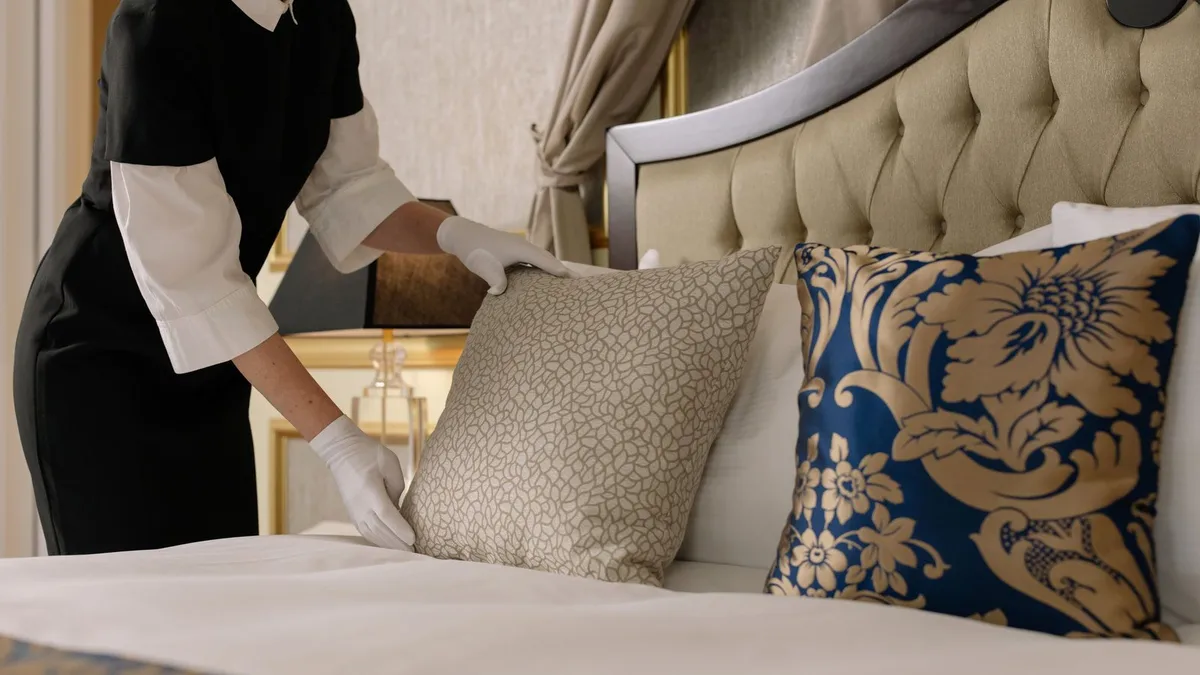
A housekeeper.
You don’t need a Roomba; you need a Rosalina. How much is your time worth? A clean and orderly house (without any effort or consideration) benefits all aspects of your life.
Laundry service.
Time is too short to do your own laundry.
These two are the clearest examples of the principle. Most people value their own time at zero when they decide whether to pay someone else. Ask what an hour of your weekend is actually worth, and doing your own laundry starts to look like the expensive option.
Where you live and sleep
Making a home comfortable.
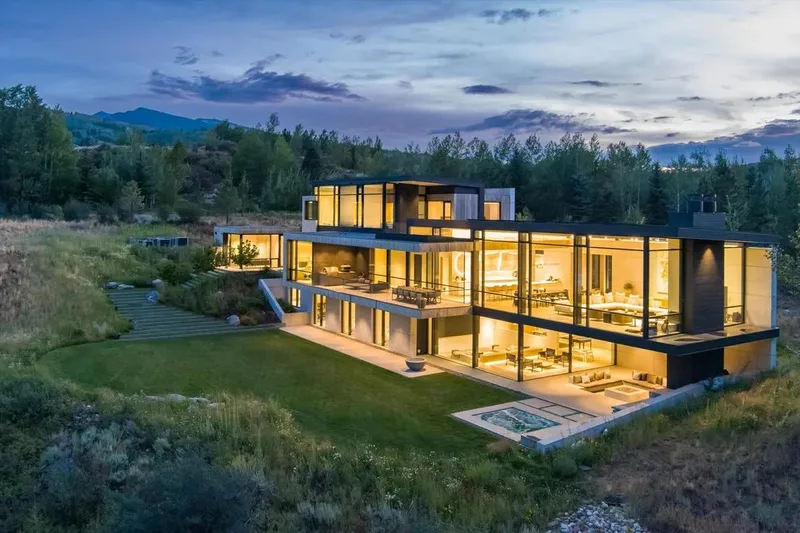
The most expensive house you’ll own is the one you never want to spend any time in. When I was in my early 20s, a Minotti couch, nice TV, and a Playstation saved me thousands of dollars a year. Incentivize yourself to spend more time at home, and entertain guests more frequently. Mitchell Gold+Bob Williams and Arhaus are great places to get ideas.
A quality mattress.
We’re talking about 1/3rd of our lives; why is this considered an extravagance worthy of price-shopping and holiday sales? Hästens are handmade in Sweden and cost as much as a car, but do your own research and try some out; it’s a very personal decision.
"The most expensive house you'll own is the one you never want to spend any time in" is one of the best lines John has written about money. A home you enjoy keeps you in, saves you money going out, and makes you more likely to host. The mattress follows the same logic. You use it every night for years. It's the last place to shop for a bargain.
Things that last
Cedar shoe trees.
It seems like an unnecessary expense, but quality cedar shoe trees preserve the look of shoes, absorb odor and moisture, and prolong the life of your shoes by years.
Suits and ties.
Business attire is gone, and generally, people tend not to dress up as often as they used to. So when you do, make it count: get a tailor (much better value), get in shape before you get measured (and stay that size), and then spend more money on expensive ties - Zegna, Brioni, Tom Ford, etc. If wearing a tie is now a special occasion, make it special.
Quality sunglasses.
Let women know you appreciate nice things and are responsible enough not to lose them. I appreciate a spectrum - from slightly garish Gucci to classically understated Tom Ford. It’s down to personal taste, but it’s nice not to be one of a thousands guys wearing the same Ray-Bans.
Shoe trees are the perfect example of "buy once, cry once." They cost little compared to the shoes they protect, and they add years to them. The suits-and-ties entry makes a point that applies to all clothing now that dress codes have relaxed: when you do dress up, "make it count."
Travel
Flying first class.
This has its obvious perks - getting on and off first, more comfort, a better class of people (if you don’t count the Willy Loman frequent flyers), and better service. However, if the flight is less than three hours, I prefer Economy Plus for one very specific reason - productivity. I still get the convenience of saving time - sitting close to the front. But, instead of reclining and enjoying a few drinks, I endure the slight discomfort, sit upright, keep my AirPods in to dissuade people from talking to me, decline the food and beverage service, and get a few hours of solid, productive work done.
Hotels on vacation.
I’ve never understood the logic of saying, “we don’t need a nice hotel; it’s just a place to sleep.” Go to any Aman, Claridges in London, or the Mandarin Oriental in Tokyo and get back to me. Also, I don't like meeting new people, but if you do, this is a no-brainer. We live in a world that rewards intelligence, creativity, hard work, and risk-taking with wealth. The bars and pools at exclusive hotels have more interesting and refined people, and less riffraff.
The first-class entry is more interesting than it looks. John's exception for short flights isn't about saving money. It's about using the time well. The point isn't luxury for its own sake. It's spending where it actually changes the experience.
Experiences
Sporting events.
If its not in the suite or front row, the experience is better at home. (Exception: really big events where you have an emotional investment.)
Sushi.
I’m not a fine dining snob; some of my best meals have been on milk crates in Laos and Mexico. And just look around the Michelin-starred restaurants in New York and London - people aren’t having that much fun. But I always make an exception for sushi. In terms of the quality of the experience and the food, you get what you pay for.
Both of these are about being honest with yourself. A bad seat at a game is worse than your couch. Most fine dining isn't worth the bill, but sushi is the exception where quality really shows.
Your health
Lasik eye surgery.
I’ve personally never needed it (yet), but I don’t know a single person who has regretted it. Just don’t pick the doctor from a billboard.
Small things you use every day
Earphones.
I use the new AirPods because I’m too lazy to research possible alternatives, and unlike the previous generation, these stay in even when running. If you factor in the hours of use and value-add, it’s one of the cheapest items you’ll own. I’ll sometimes wear mine without listening to anything, just so people don’t talk to me.
The math on everyday items is simple. Divide the price by the number of times you'll use it, and something you use daily is almost always cheap, even when the sticker isn't.
Picking up the check
Dinner with friends.
First of all, never split a check. (Credit card roulette is okay in your 20s, but after that, it’s time to grow up.) Skip the theater and drama where people reach for their wallets or argue over a bill. At the beginning of a meal, discreetly hand the waiter your credit card. It typically evens out over time, and cheapskates are culled from the herd. Regardless, in my experience, the person paying the tab has more fun (and control).
The bar tab.
Just put your card behind the bar. You’re more handsome. Your jokes are funnier. And you have more control. It’s kind of a sad reality, but we can’t argue with evolutionary biology.
These two return to a theme John comes back to often. "Never split a check" also appears in his Etiquette 101 rules. Paying isn't just generosity. As he puts it, "the person paying the tab has more fun (and control)."
The short version
Spend on the things you use every day, the things that buy back your time, and the moments you'll remember. Save everywhere else. As John put it, "price is what you pay; value is what you get."
Source: John LeFevre, "Expensive But Worth It," The Graze, April 4, 2023.