NASA's dead Swift telescope fell to Earth at 5x the usual risk
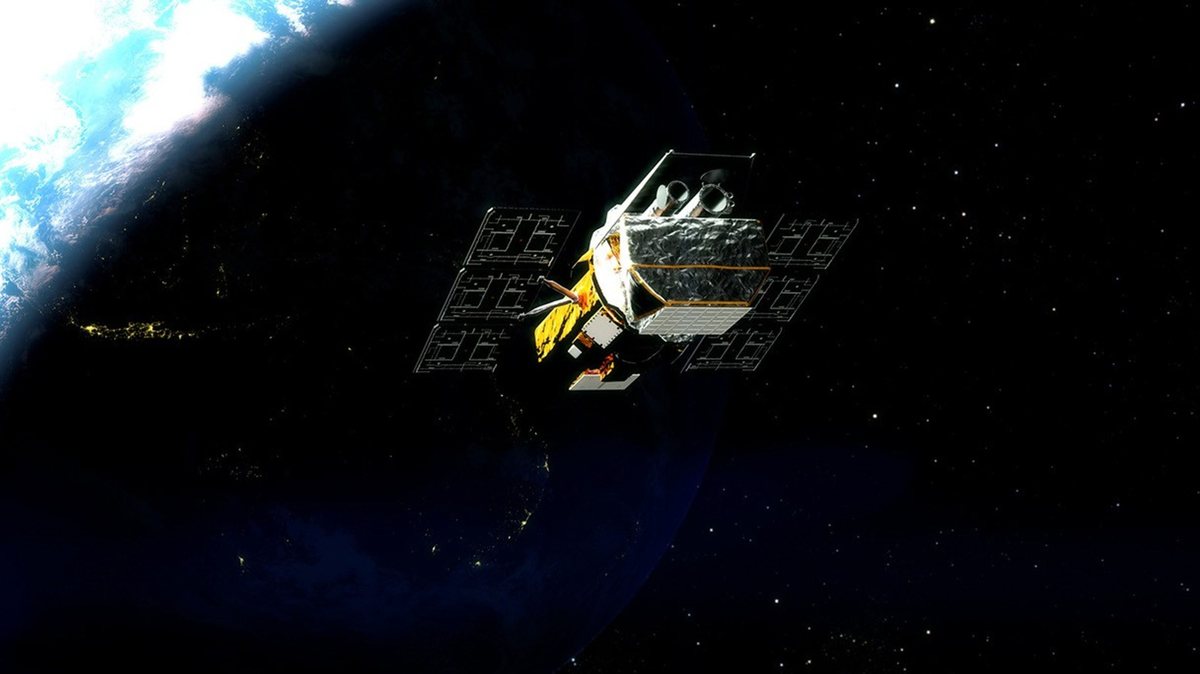
On Wednesday, NASA's Neil Gehrels Swift Observatory came down over Indonesia. The risk number that came with it was the story.
Swift had been in orbit since November 2004. It ran out of fuel for altitude or trajectory control, so the reentry was uncontrolled. NASA's own standard, updated most recently in 2021 and dating to 2001, says the chance of a human casualty from surviving debris on an uncontrolled reentry should stay below 0.0001, or 1 in 10,000. In a longer announcement, the agency put Swift's risk at 1 in 2,100 — five times that ceiling. NASA did not publish a standalone risk assessment beforehand. Public affairs specialist Alise Fisher told Jalopnik that before the 2004 launch the risk was judged consistent with mission requirements; somewhere between launch and reentry, the maths moved.
NASA had tried to avoid this ending. It spent $30 million on a private rescue satellite meant to boost Swift back into a safer orbit. That satellite failed. Most of Swift was expected to burn up. The worry was dense leftovers: optics, reaction wheels. There are no reports of anyone being hit.
The episode is a preview, not an outlier. Thousands of satellites will de-orbit every year in the megaconstellation era. Controlled reentries into empty ocean, or designs that demise completely, are the two serious answers. Luck has covered the gap so far. A 1-in-2,100 event that resolves cleanly is still a 1-in-2,100 event. The next one may not.
*Image: NASA's Swift observatory. Photo: NASA via Jalopnik.*
Source: Jalopnik