WeWork's boss banned pyjamas at the office, then gave staff a day at home
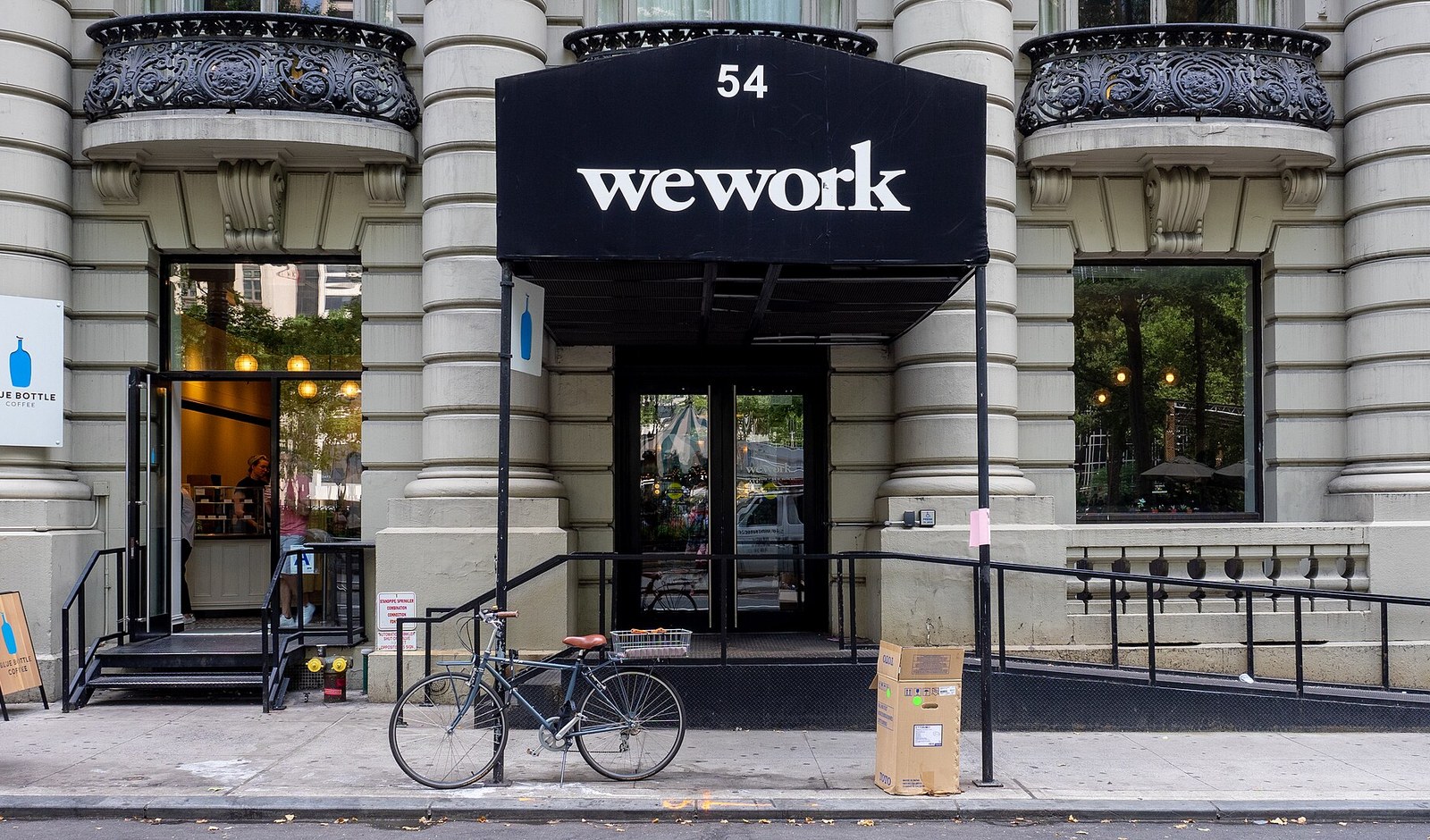
The company that sold the world on beer taps, neon slogans and office life as lifestyle now has a dress code. WeWork's chief executive says one of his first moves was to stop staff turning up in pyjamas.
What he said
Santora, who has run the company since 2024, was speaking at Business Insider's The Long Play event in late October, in an interview with the publication's deputy news chief, Cadie Thompson. He recalled an early visit to one of WeWork's offices where he found employees in pyjamas, slippers and shorts.
"I grabbed my head of HR," he said. "See that? I don't want to see it anymore."
What followed was a dress code, though not a strict one. Santora described "give and take". Staff are expected to wear sports coats to important meetings, and in return they get one day a week to work from home. He says he does not track when people arrive or leave, "as long as they're getting their work done and they're keeping their clients happy". He also admitted to a personal exception: "Fridays, I'll actually sometimes wear sneakers, depending on what my schedule is."
The flexibility, he said, comes from his own career. "I didn't have the ability to go watch my son play a 3 o'clock baseball game," he told the audience. "We have to give our employees that flexibility to do all that."
Who is setting the rules
Santora is not a typical WeWork boss. He spent 47 years at the commercial property firm Cushman & Wakefield, finishing as chief operating officer, and calls himself "a suit and tie, buttoned-up real estate person". He was weighing retirement when the WeWork job came up. His daughter, he joked, told him he was a nuisance at home with too much time on his hands.
He took over as the company left bankruptcy. In a June 11, 2024 announcement filed with the Securities and Exchange Commission, WeWork said it had emerged from Chapter 11 in the US and Canada and completed its global restructuring, and named Santora chief executive and a director from June 12. Anant Yardi, founder of the property software company Yardi Systems, called him "the perfect leader to take us forward".
The contrast with the founder era is the point. Under Adam Neumann, WeWork promised to "elevate the world's consciousness" and reached a private valuation of $47bn in 2019. A failed listing attempt that year cut its value to roughly $8bn and forced a bailout. The company later went public through a merger, then filed for bankruptcy in late 2023.
Where WeWork stands now
The business has steadied. According to Business Insider, WeWork has posted eight straight quarters of profit on an EBITDA basis, expects a fourth consecutive quarter of positive cash flow and took in about $2.3bn of revenue in 2025. Those are the company's own figures, as reported by Business Insider.
Our take
There is an obvious irony in a flexible-workspace company telling its own staff what to wear. WeWork's pitch to members is still that work can happen anywhere, in any outfit. Its chief executive is drawing a line between what the company sells and how it runs.
That is probably sensible. WeWork's employees are the people showing companies around and keeping buildings running. A visible standard helps when you are trying to convince finance directors that you are a serious landlord rather than a startup.
The more interesting part is the trade. One remote day a week and no clock-watching, in exchange for looking the part, is a deal many office workers would take. It is also stricter than many hybrid arrangements.
Whether it matters for the turnaround is another question. Dress codes do not fill buildings. Profit on an EBITDA basis, after a bankruptcy wiped out much of the lease burden, is a long way from proving the model works. But Santora's message is clear: the party is over, and the slippers have to go.
Sources
- Business Insider, WeWork CEO talks changing the culture at the once-troubled company (October 29, 2026)
- WeWork, WeWork announces emergence from Chapter 11 and new leadership appointments, Exhibit 99.3 to Form 8-K, US Securities and Exchange Commission (June 11, 2024)
- Hindustan Times, WeWork CEO says dress code and work-from-home flexibility helped change company culture (November 9, 2026)
- The Economic Times, From bankruptcy to a workplace reset: WeWork CEO explains dress code and work-from-home rules (November 2026)