
Waymo took its robotaxis off freeways nationwide after three drove into a work zone
The California DMV barred driverless freeway operations after construction-zone incursions, and Waymo paused the rides in every market where it ran them.
By The Graze · November 18, 2026 · 5 min read
Robotaxis
Waymo has temporarily stopped offering driverless freeway rides in every market where it ran that service, after the California Department of Motor Vehicles restricted the company's robotaxis from the state's freeways. The department, which issued the order on 11 November, determined that Waymo's driverless freeway operations "pose an imminent hazard to public safety" because of recurring incursions into active construction zones. Waymo said the recent encounters on U.S. 101 involved no injuries or collisions, and that its ride-hailing service continues on surface streets, serving more than half a million trips a week.
What California ordered
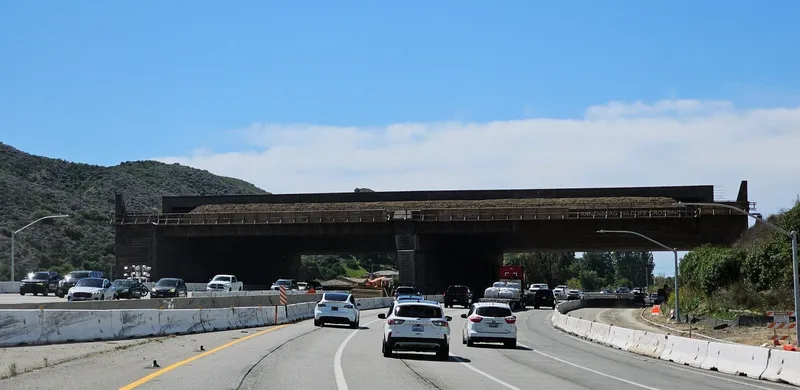
The DMV regulates the testing and deployment of autonomous vehicles in California. In an emailed statement to TechCrunch, the department said it acted after three Waymo autonomous vehicles entered an active construction closure on U.S. 101 near Burlingame, and after a separate incident involving CHP vehicles on Highway 280 in San Francisco.
"The Department determined that Waymo's driverless freeway operations pose an imminent hazard to public safety due to recurring incursions by its vehicles into active construction zones where construction workers, vehicles and equipment are present, despite a prior restriction and corrective actions implemented following similar incidents that occurred on May 18, 2026," the statement said.
Jonathan Groveman, a DMV spokesperson, told the Associated Press that the restrictions bar Waymo from operating and testing its driverless vehicles on California freeways, and that they will stay in place until the company shows it has fixed the problems that led to the order. TechCrunch reported that the order was issued on 11 November and became public on 17 November.
The DMV does not appear to have posted a standalone news release on its website. The quotations above are from the department's emailed statement, as reported by TechCrunch, the Associated Press and NBC Bay Area.
The incidents, and an earlier warning
The construction-zone encounter took place on 5 November, Groveman told the AP. NBC Bay Area, citing the DMV, said three Waymos entered an active construction closure on Highway 101 near Burlingame. The following day, 6 November, a Waymo was involved in an incident with CHP vehicles conducting a traffic break on Interstate 280 in San Francisco. Video of that episode circulated widely. In the footage, according to the AP and the BBC, a Waymo can be seen trying to bypass or overtake the patrol vehicles that were slowing traffic.
Waymo's statement is narrower than the regulator's. Gallagher said the "recent freeway construction zone encounters on U.S. 101 in California" did not involve any injuries or collisions. The company's public remarks did not describe the Interstate 280 episode in the same detail.
This was not the first time construction zones had been a problem. The DMV's statement points to "similar incidents" on 18 May 2026, and to a prior restriction and corrective actions that followed. TechCrunch reported that Waymo abruptly stopped operating on highways in May, without citing a specific reason at the time, after social-media posts showed robotaxis driving through traffic cones and struggling in freeway construction. The company returned to freeways in July, TechCrunch said, after updating its self-driving software to improve performance around those zones.
Waymo began offering freeway rides in late 2025, a step TechCrunch described as central to its expansion. Freeway access shortens trips that would otherwise stay on slower surface streets, including cross-Peninsula journeys in the San Francisco Bay Area and rides toward airports in other cities.
What still runs, and where the pause applies
The California order is a ban on driverless freeway operations and testing in that state. The national pause is the company's. "In alignment with our safety-first principles, we have also temporarily restricted freeway operations across our other operating markets to evaluate our performance," Gallagher said. "Our ride-hailing service continues to operate safely on surface streets, serving over half a million trips each week. We are working with the California DMV and other state officials diligently and responsibly to resume freeway operations."
The AP reported that Waymo had allowed riders to hail freeway trips in the San Francisco Bay Area, Los Angeles, Phoenix, Miami and Austin, and that the company is "continuing freeway testing with trained autonomous specialists behind the wheel." It did not say how long the commercial suspension would last. Waymo, which is owned by Alphabet, has commercial operations in 15 U.S. cities, according to TechCrunch. Service on ordinary city streets is unaffected.
| Item | What can be verified | Source |
|---|---|---|
| California order | Issued 11 November 2026; bars Waymo from operating and testing driverless vehicles on California freeways until it demonstrates effective corrective actions | DMV statement, as reported by TechCrunch, the Associated Press and NBC Bay Area |
| The department's finding | Driverless freeway operations "pose an imminent hazard to public safety" because of recurring incursions into active construction zones, despite a prior restriction after similar incidents on 18 May 2026 | DMV emailed statement, via TechCrunch |
| 5 November | Three Waymo vehicles entered an active construction closure on U.S. 101 near Burlingame | DMV, via TechCrunch, NBC Bay Area and the AP |
| 6 November | An incident involving CHP vehicles conducting a traffic break on Interstate 280 in San Francisco | DMV, via NBC Bay Area, TechCrunch and the AP |
| Injuries or collisions | Waymo said the recent U.S. 101 construction-zone encounters involved none | Waymo statement, via TechCrunch, NBC Bay Area and the AP |
| Nationwide pause | Commercial freeway rides restricted in all markets where the service ran; surface streets continue, with more than 500,000 trips a week. The AP reported that freeway testing with trained specialists continues | Waymo statement; the AP on testing |
| Freeway markets | The AP said freeway rides had been offered in the San Francisco Bay Area, Los Angeles, Phoenix, Miami and Austin | The Associated Press |
Compiled by The Graze from the California DMV's statement as reported by TechCrunch, the Associated Press and NBC Bay Area, and from Waymo's statement as reported by those outlets. The May-to-July highway pause and the late-2025 start of freeway rides are from TechCrunch.
Our take
The sentence that matters is not that a robotaxi had a bad day on a Bay Area freeway. It is that this happened after the company had already been restricted once, had rewritten its software, and had been allowed back. The DMV's language is unusually blunt for a regulator that has spent years expanding autonomous driving in California: "imminent hazard," "recurring incursions," construction workers standing in the road. That is not a paperwork dispute. It is a finding that the system still fails in the exact scenes — temporary, messy, full of cones, flares and patrol cars — that human drivers are expected to negotiate every rush hour.
Waymo's decision to pause commercial freeway rides outside California is, in that light, the more revealing move. A map error in Burlingame would not, by itself, require a halt in Phoenix or Miami. A behaviour problem might. The company is right to keep surface-street service running; more than half a million trips a week is not a laboratory. It is also right not to pretend that a software update in July closed the file. Freeway access was the feature that made longer trips — airports, the Peninsula, the next city over — worth taking in a robotaxi. Until Waymo can show the DMV that construction zones and traffic breaks are solved, that feature stays off, and the pause is earned.
Sources
- TechCrunch, Waymo suspends freeway rides nationwide after California DMV order, 17 November 2026
- The Associated Press, Waymo suspends all driverless taxi rides on freeways after ban in California, 17 November 2026
- NBC Bay Area, Waymos temporarily banned from California freeways, 17 November 2026