Japanese, Australian and American wagyu, side by side
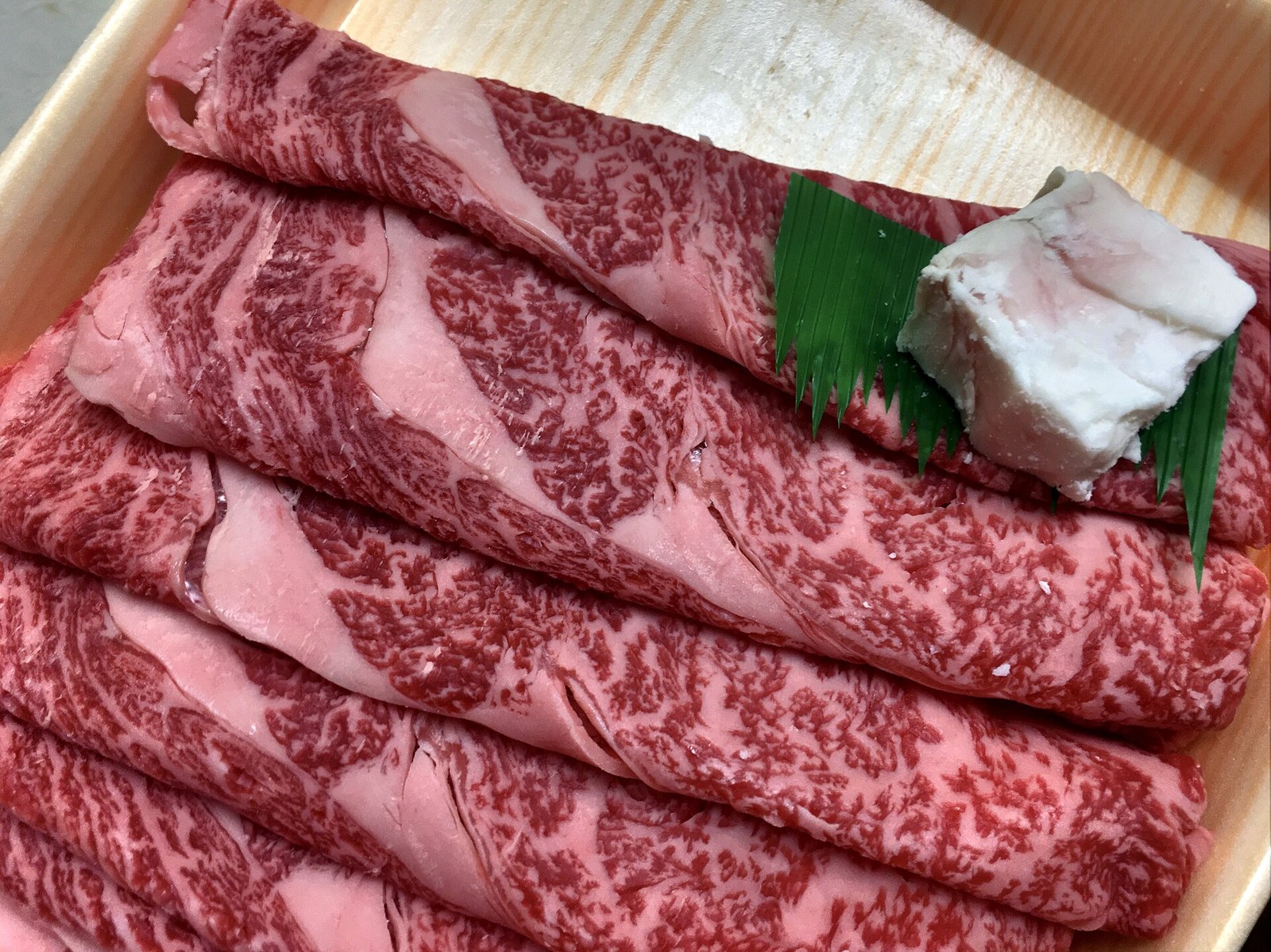
Wagyu has become a word that gets put on almost any well-marbled steak. A new box from Crowd Cow tries to undo that, by sending the same cut from Japan, Australia and the United States and asking you to taste them in one sitting. The differences, the company argues, are not marketing. They are genetics, feed and how each country grades beef.
Three steaks, one cut
Gear Patrol's note on the box is short and useful. Japanese A5, the top of that country's scale, is fullblood wagyu, richly marbled, and, Crowd Cow says, best treated as an appetizer rather than a whole dinner. The Australian steak comes from wagyu-Angus crosses that spend more time on pasture, still rich but with more ordinary beef character. The American steak is from Japanese Black bulls crossed with Angus cows and finished with a mix of pasture and grain. "Try all three in one sitting and the differences show up fast: more marbling here, more chew there, a different finish on each bite."
Crowd Cow's own product page is more specific. In the filet mignon flight, the Japanese steak is a 5-ounce A5 tenderloin. The Australian is a 6-ounce filet from Margaret River, in Western Australia, described as a Tajima-bloodline cross that grazes to 18 months and then is fed grain for 300 days. The American is a 6-ounce filet from Mishima Reserve: American wagyu from fullblood Kuroge Washu bulls over Angus-cross cows, long-fed for 25 to 28 months. The company tells customers to cook each steak the same way, with the same salt, and to taste them in order: America, then Australia, then Japan, "and the only thing that changes is the beef." The set is meant for two as a dinner or three to four as a tasting. A strip-steak version is also sold. Crowd Cow says these are "the three Wagyu programs we trust most from each country."
What the labels actually mean
The more durable material is on Crowd Cow's own explainer of the three national styles, which is careful on a point the marketing often blurs. In the United States, there is no enforced minimum percentage of wagyu parentage for beef sold as "wagyu." Some American producers raise fullblood animals; many do not, and a shopper cannot tell from the word alone. Australia is stricter. The Australian Wagyu Association registers cattle on a ladder of wagyu content: animals at 0 to 50 percent are classed as Base Animals, higher shares can qualify for higher grades, and "fullblood" is reserved for cattle that trace entirely to the original Japanese foundation animals, with no grading-up in the pedigree. Purebred status requires at least 93 percent wagyu and parent verification. Japanese wagyu exported to the US market is, in practice, almost always fullblood Kuroge Washu, the breed that carries the famous marbling. Other Japanese breeds exist, but they are not what American buyers are usually getting when they see "A5."
Grading systems do not match either. Japan and Australia use a 12-point Beef Marbling Score. The USDA's retail grades, Select, Choice and Prime, are coarser. USDA Prime, the top American stamp, begins at what would be a low-to-medium score on the Japanese or Australian scale. That is one reason a good American wagyu steak and a Japanese A5 can be honestly labelled and still taste like different products. Price follows the same slope: Japan is usually the most expensive, America the way in, Australia somewhere between, though "best" depends on whether you want butter or beef.
Gear Patrol repeats Crowd Cow's claim that it carries a wider range of wagyu than anyone else selling in the US, and that the box is the cheapest way to taste why the range matters. That is the company's own sales line, not an independent audit of the market.
Our take
A side-by-side tasting is a better education than another adjective on a menu. If the three steaks are cooked the same way, the box does what a lot of restaurant lists will not: it makes the word "wagyu" less vague. The Japanese piece is likely to win on marbling. That does not make it the one you would want as a 12-ounce dinner. Crowd Cow is honest about that, which is more useful than the usual reverence.
The US labelling gap is the part that travels beyond this particular box. If a supermarket can call a lightly crossed steak "wagyu" with no minimum bloodline, then the American steak in a carefully sourced flight and a cheaper steak under the same word are not comparable. Australia's registration ladder and Japan's export practice are not perfect, but they are at least rules. The box will not fix that. It will, if it is cooked as instructed, show a careful shopper what the rules are worth, one country at a time.
Sources
- Gear Patrol, Crowd Cow's New Wagyu Box Lets You Taste Japan, Australia and America Side by Side (November 2026)
- Crowd Cow, Wagyu Filet Mignon Flight: Japan, Australia and America
- Crowd Cow, The Ultimate Guide to Wagyu: Understanding Japanese, American, and Australian Varieties
- Australian Wagyu Association, Wagyu Content Check, on registration grades and Wagyu content, including the classification of animals at 0–50 percent as Base Animals