
Let an AI bot book your United flight and the airline can now cancel it
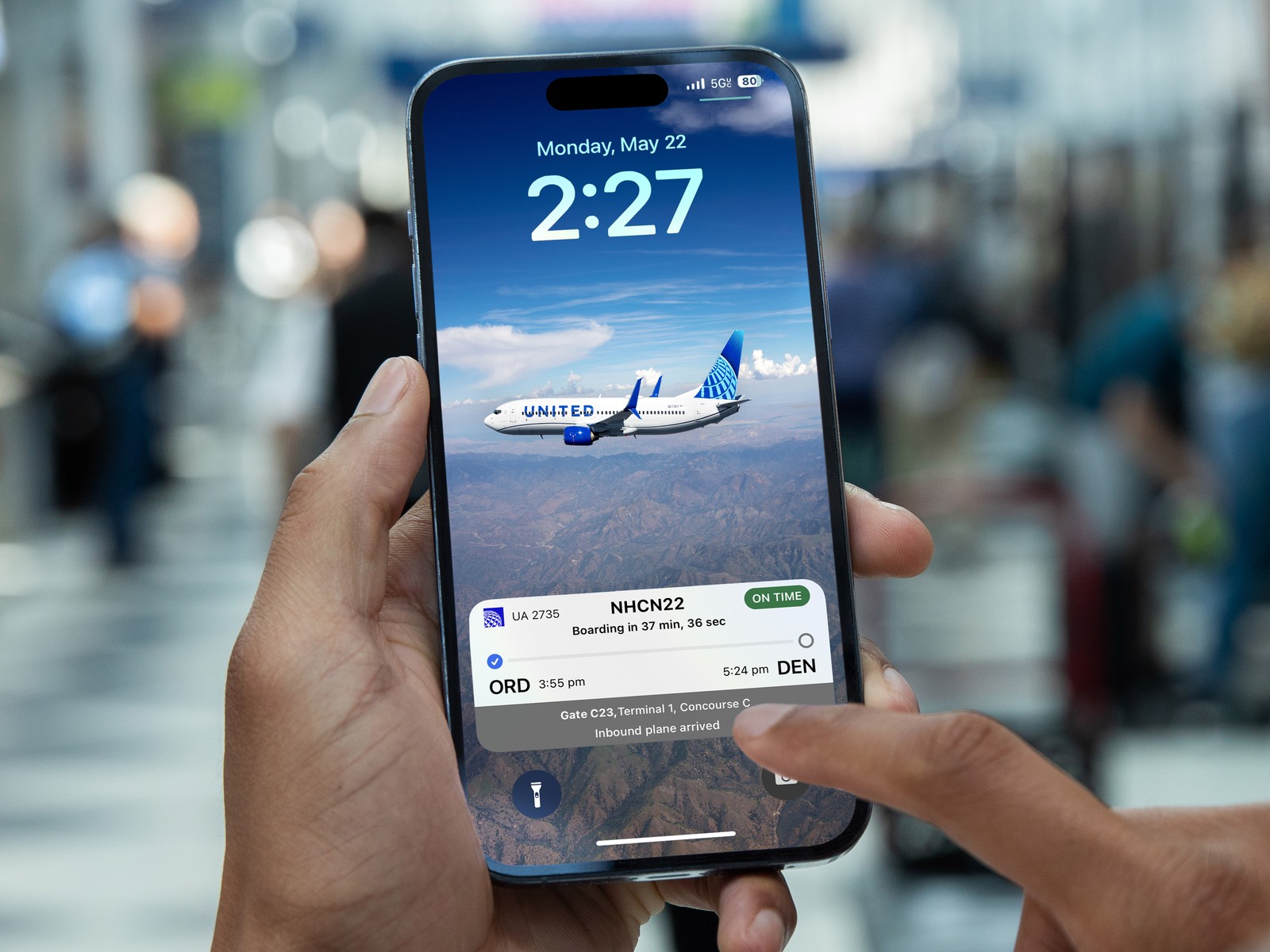
United Airlines changed the rules for bots on 11 November. Its contract of carriage, the legal terms every passenger accepts by buying a ticket, now lists "the use of AI Agents to make, modify or service a Ticket, and/or to purchase any service or product" as a prohibited practice. The line sits in the same list as hidden-city ticketing and throwaway ticketing, fare tricks United already bans.
What the new rule says
The contract defines an AI agent broadly: any software or service, including an AI assistant or an AI-enabled browser, that "takes autonomous or semi-autonomous action, whether or not Passenger or another individual supervises or approves its actions". It names assistants built into social media, messaging and search platforms, standalone agents and AI browsers, and any third-party assistant that reaches United through a travel agency's tool. Watching the bot work does not make it allowed.
The penalties are the ones United already uses for other banned practices. Its cancellation rule now lists "reservations made, modified or serviced by AI Agents" among the bookings it will cancel without notice. For tickets bought in breach of its rules, the contract lets United invalidate the ticket, cancel the rest of the itinerary, delete MileagePlus miles or end a membership, and bill the passenger the fare difference.
In its announcement, United said that sharing account credentials with personal AI assistants "can expose sensitive information" and may lead to "unintended purchases, account changes, or use of MileagePlus miles". The restriction covers united.com and the United app directly, and travel agencies and aggregators indirectly.
What still works
United's help pages set out where the line falls:
| What you want to do | Allowed? | United's guidance |
|---|---|---|
| Ask an AI tool for trip ideas or destinations | Yes | Share general information only, nothing sensitive |
| Let an AI agent search, book or buy on united.com or the app | No | Unauthorized unless United has given permission |
| Give an assistant your MileagePlus login or confirmation number | No | If you already have, change your password |
| Let an agent check you in | No | Check-in needs a human acknowledgment on banned items |
| Travel agency books United using a third-party AI tool | No | Agencies may use their own AI tools only with United's permission |
| Agent bookings made before 11 November | Kept | Not cancelled, but review them |
| Assistive technology for customers with disabilities | Unaffected | Not covered by the restriction |
United says it does not yet work with any third-party AI agents. Its fares remain bookable through aggregators such as Kayak, Hopper and Google Flights, Henry Harteveldt of Atmosphere Research Group told CBS News.
The check-in argument
United's most concrete reason is regulatory. Federal hazardous-materials rules, at 49 CFR 175.25, require airlines to show passengers what they may not carry when they buy a ticket (or, if that is not practical, before a boarding pass is issued) and again at check-in. Where a passenger can complete either step without another person, the rule says the passenger must acknowledge that they have been presented with that information.
The regulation does not mention software, and it does not ban automated check-in. United's reading is that the acknowledgment has to come from the traveller, not from a program clicking through on their behalf. That is a reasonable interpretation, and it also happens to be one no AI company can easily engineer around.
Why a contract and not a lawsuit
The courts have made the other route harder. Amazon sued Perplexity in November 2025 to stop the assistant in Perplexity's Comet browser from using Amazon.com, arguing that it broke federal and California anti-hacking laws. A district judge granted a preliminary injunction. On 4 August 2026 the Ninth Circuit vacated it. The judges wrote that "it is the user who 'accesses' Amazon's computers", with the assistant's help, and called the assistant "a tool, not a person for statutory purposes". The court stressed that it was not establishing "a new legal regime governing agentic AI" and left other claims open.
If hacking law treats an agent as the customer's own hands, a company that wants agents out has to use its terms with that customer. United's change does exactly that. The passenger agrees to the rule by buying the ticket, so the passenger carries the risk.
Others are acting in their own ways:
| Company | What it did | When | Tool used |
|---|---|---|---|
| United Airlines | Barred AI agents from booking, changing or servicing tickets; such bookings can be cancelled | 11 November 2026 | Contract of carriage |
| Amazon | Sued Perplexity over the Comet assistant; injunction vacated on appeal | Suit November 2025; ruling 4 August 2026 | Anti-hacking laws |
| Bank of America | Told customers not to give logins to AI agents and warned they are responsible for that access | October 2026 | Customer email |
| Southwest Airlines | Launched a ChatGPT plugin to search and shop its flights; booking is finished on Southwest.com | 6 October 2026 | Partnership |
Our take
United's security case is real. An assistant holding your MileagePlus password is a skeleton key, and a wrong booking or a burned stash of miles is hard to unwind. But the bigger motive is control of the sale. Harteveldt put it plainly: United does not want "yet another, and potentially even more powerful, intermediary" on top of Google, the metasearch sites and the online travel agencies. A bot that compares every carrier on price alone would treat a United seat as interchangeable with any other.
Look at how the two airlines frame it. Southwest invited the bot in on its own terms: it shows fares inside ChatGPT, then sends you to its own site to pay. United shut the door. Both end in the same place, with the customer completing the purchase on the airline's own channel. The fight is not over whether AI plans your trip. It is over who takes the money and sells you the seat upgrade.
For travellers, the rules are simple. Use AI to plan, then book yourself. Never give an assistant a loyalty login, and change the password if you already have. If an agency books for you, ask whether AI touched the ticket, because the contract now lets United cancel it without warning.
What to watch: whether other carriers write similar language into their own contracts, and whether United signs the first approved agent partner its help pages say it does not yet have. A rule this broad reads like a bargaining position.
Sources
- United Airlines, United restricts access for third-party AI agents, newsroom release, 11 November 2026
- United Airlines, Unauthorized third-party AI agents or assistants, Digital Trust Center FAQ
- United Airlines, Contract of carriage (revised 11 November 2026), Rule 1 (definition of AI Agent), Rule 5 (cancellation of reservations) and Rule 6 (prohibited practices and remedies)
- Code of Federal Regulations, 49 CFR 175.25, passenger notification system, eCFR
- US Court of Appeals for the Ninth Circuit, Amazon.com Services, LLC v. Perplexity AI, Inc., No. 26-1444, opinion, 4 August 2026, GovInfo
- Southwest Airlines, Southwest Airlines launches first-of-its-kind US airline plugin in ChatGPT, press release, 6 October 2026
- Southwest Airlines, Can I use ChatGPT to book a Southwest trip?, Help Center
- CBS News, United Airlines bans AI agents from booking flights on behalf of travelers, 11 November 2026
- TechCrunch, United Airlines blocks AI agents from booking flights, citing cybersecurity risks, 12 November 2026
- TechCrunch, Bank of America kindly asks that you don't share your banking password with your AI assistant, 27 October 2026
- Tables: The Graze, compiled from United's contract of carriage and help pages and the sources above