A 2,800-year-old bone flute has been unearthed at Troy
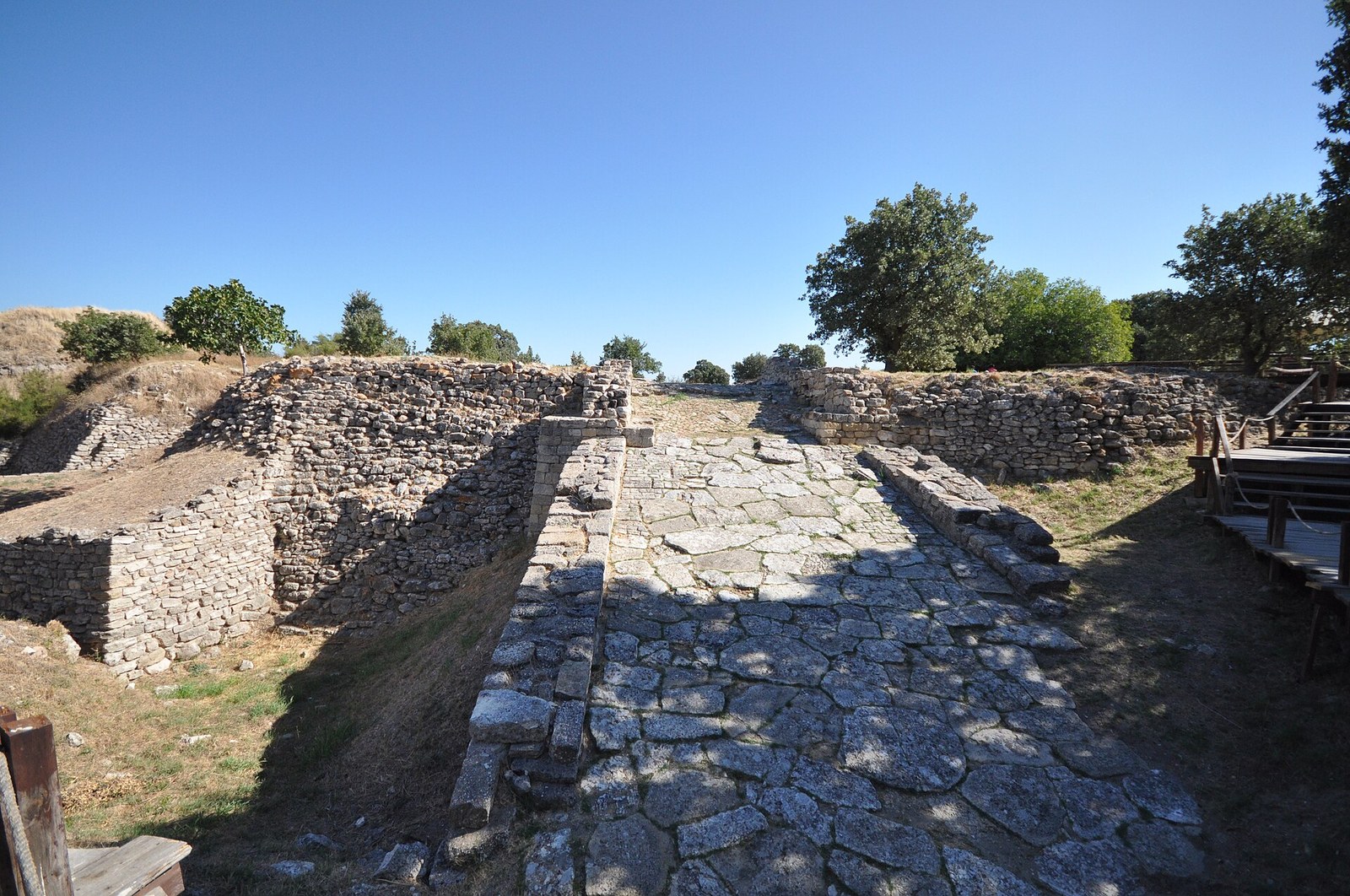
Archaeologists at Troy have found a 2,800-year-old bone flute, the first musical instrument recovered in more than 160 years of digging at the site. It comes from a layer dated to the eighth century BC, the period often associated with Homer. The excavators are careful not to claim that the poet, or anyone in the poems, ever played it.
A first for the site
The finds were announced by Mehmet Nuri Ersoy, Türkiye's minister of culture and tourism, as part of the 2026 season at the UNESCO-listed ruins near Tevfikiye, in Çanakkale, under the ministry's Heritage for the Future project. The work is carried out on behalf of Çanakkale Onsekiz Mart University. Ersoy said the flute is "the first and only musical instrument discovered" at Troy, and the first direct archaeological evidence of musical culture there.
Professor Rüstem Aslan, who directs the excavations, told Heritage Daily the same thing in more technical language. "The bone flute found in the layer dating back to the eighth century BC, which we define as the Archaic Period, is a first in the 160-year history of Troy excavations. We know about musical instruments from many depictions elsewhere. However, this is the first time a bone flute has been encountered in the history of Troy excavations." The object is a fragment, not a complete instrument. Further study and conservation are still to come, the ministry said.
The date is what has caught the wider attention. Many scholars place the composition of the Iliad and the Odyssey around the eighth century BC, though the exact dates remain contested, and Troy is of course the setting of the Iliad. Aslan has stressed that the instrument "cannot currently be directly linked to Homer or to any particular musical performance described in the poems." He also noted an accidental overlap with cinema: music for the sirens sequence in a recent film of the Odyssey was experimentally produced from a reconstruction of an eighth-century BC flute. That is a coincidence of period, he said, not a connection to this object.
Open Culture, which brought the story to a general audience this week, added a useful caution from Ancient Origins: "Calling the object a flute is the excavators' choice of word, and the type remains open." Without a published hole count or drawing, it is too early to match the fragment to a Greek aulos or to any other specific design. Bone wind instruments are known from much earlier sites in Europe and from elsewhere in Anatolia. The significance here is not that it is the world's oldest flute. It is that Troy, after a century and a half of digging, had not produced one.
The other find, much older
In the same season, near a city gate of Troy II, an earlier, Early Bronze Age phase of the settlement, the team found a human-shaped idol head about 4,500 years old, in a fire-damaged layer. Aslan said comparable objects have turned up only three to five times in the history of the excavations, and that this one matters because it was found in a clear stratum. Both objects, Ersoy said, will be studied further. Archaeology Magazine, in a brief note on October 23, recorded the same two finds, citing the minister's announcement and Türkiye Today.
Our take
It is tempting to make the flute into a soundtrack for Homer. The dates roughly line up, the city is the right city, and a bone pipe is an object anyone can imagine being played at a gate or a feast. That is why the story travels. It is also why the excavators are right to keep their language tight. A fragment from an Archaic layer is evidence that people at Troy made, or at least had, a wind instrument in that century. It is not evidence that the Iliad was sung to it, or that the object is an aulos, or that the town was livelier than sceptics once claimed, except in the limited sense that someone there had music.
The quieter find may matter as much to the site's history: a 4,500-year-old idol head, rare at Troy, sitting in a burned gate layer of Troy II. That is a different millennium, and a different kind of clue, about belief rather than sound. Together they are a reminder of what a long-dug famous place can still produce: not a revelation that rewrites the poems, but two objects that make the ruins a little less silent.
Sources
- Heritage Daily, 2,800-year-old bone flute unearthed in Troy (October 2026), including comments from excavation director Prof. Rüstem Aslan and the Ministry of Culture and Tourism
- Türkiye Today, 2,800-year-old bone flute, 4,500-year-old idol head unearthed at ancient Troy (2026), quoting Culture and Tourism Minister Mehmet Nuri Ersoy
- Archaeology Magazine, Unusual Objects Unearthed at Troy (October 23, 2026)
- Open Culture, 2,800-Year-Old Bone Flute Unearthed in Troy May Have Been Played During Homer's Time (November 2026)