Should a man send a car for a first date? Manners, money and the safety catch
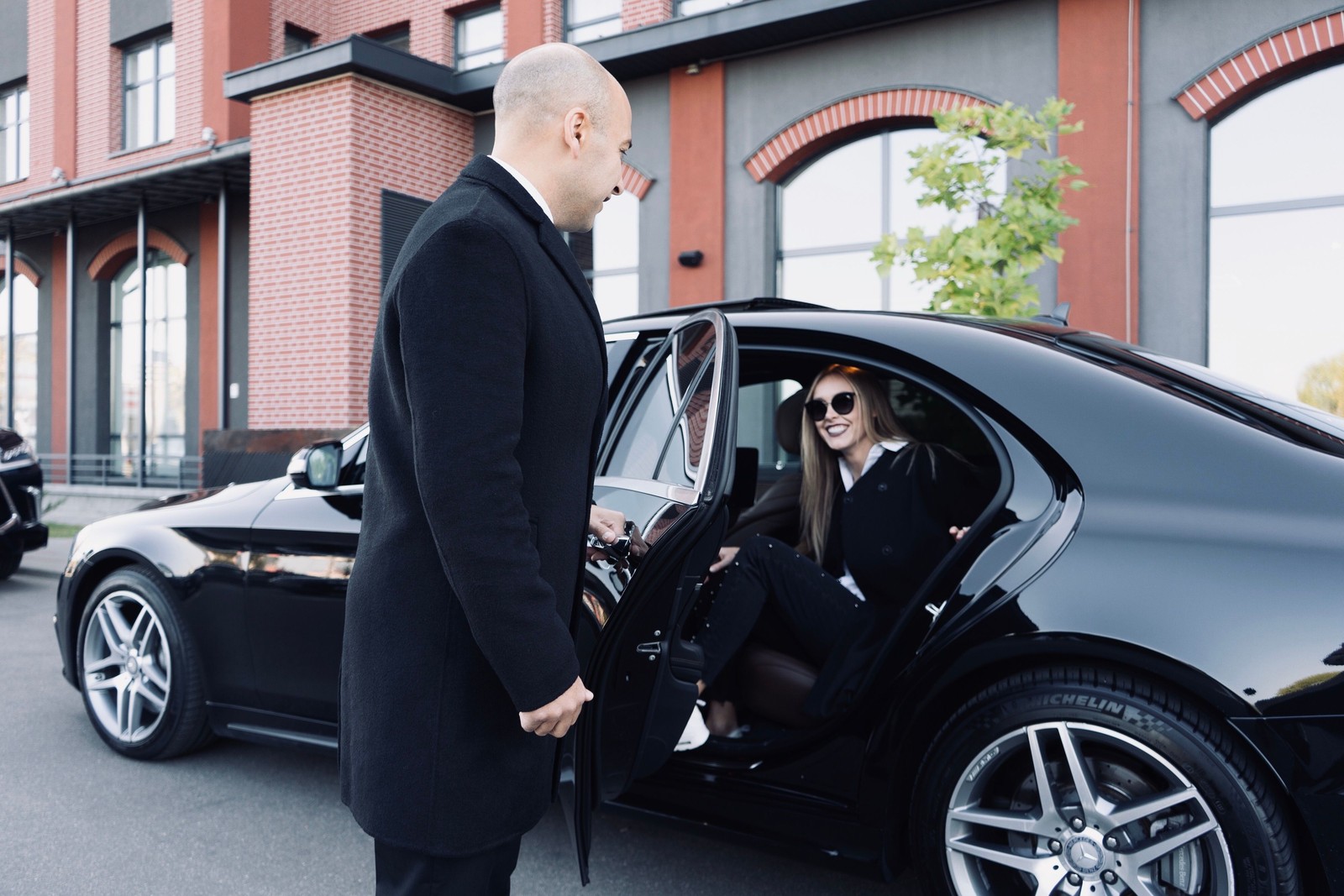
Should a man who asks a woman to dinner send a car to collect her? It is a question New York matchmakers now answer in writing. Strip out the argument and three questions are left: what etiquette actually says, what the car costs, and whether it makes her evening safer or only makes him look generous.
From the parlour to the passenger seat
A century ago the question would not have come up. In 19th-century middle-class courtship a man asked permission to call on a woman at her family's home. Then came dating, helped along by the automobile. As the historian Beth Bailey puts it in From Front Porch to Back Seat, dating "moved courtship out of the home and into the man's sphere".
Emily Post's Etiquette of 1922 shows the money rules taking shape. In small matters "such as a subway fare, he pays for two", she wrote, and if he invites her to a ball game, a matinée or tea, "he naturally buys the tickets". The same book makes a point that matters more today. Post wrote that nothing added more to the panic of a young woman left without a partner at a ball than having no "means of escape by going home". With her maid along, she could always call a taxi and go.
The modern Emily Post Institute keeps the money rule simple: "when in doubt, whoever does the asking, does the paying". Its advice is to settle how the bill will be paid up front, and not to fight over the check. A car is part of the date's cost, so the same rule covers it.
What a New York matchmaking service tells men
YUConnects, a matchmaking programme of Yeshiva University's Center for the Jewish Future, based at the university's uptown New York campus, publishes a tip sheet for men. It tells them to "come to the door when picking her up and dropping her off", not to text from the car, and to open the car door. "If you don't have a car available, let her know that you'll be picking her up in an Uber." It also warns that a woman may not be wearing walking shoes, that taxis "may be the best option", and that it is "mannerly to accompany a woman home, and not leave her at a subway or bus stop".
Note what that version assumes. The man is in the car. Sending a car on its own, with the woman riding alone to meet him, is a different gesture: generous with money, but it puts her in a car he booked, going to an address he chose.
What the car costs: the numbers, worked through
We took every trip in the city's own trip records for September 2026, the latest month published by the Taxi and Limousine Commission, and kept the ones that look like a typical first date: Friday and Saturday evenings, starting and ending in Manhattan, two to four miles long. Figures are what the rider paid before any tip, including taxes, surcharges and tolls.
| Ride, Manhattan, 2-4 miles | Going out (6-9pm) | Going home (10pm-1am) |
|---|---|---|
| Yellow taxi | $24.85 (25,931 trips) | $23.45 (24,174 trips) |
| Uber, all non-shared rides | $31.90 (65,753 trips) | $32.53 (59,465 trips) |
| Lyft, all non-shared rides | $29.84 (19,579 trips) | $30.89 (18,357 trips) |
| Black car or premium tier | not reported separately | not reported separately |
Medians. Typical trip: about 2.6 to 2.7 miles and 17 to 20 minutes.
Collecting her and sending her home is two rides. On these figures that is about $48 by yellow cab, about $61 by Lyft and about $64 by Uber before the tip. The app figures cover every non-shared ride, from the standard tier up, because the city's records identify the company but not the product. The data cannot price a premium black car on its own.
A yellow cab's fixed charges explain part of its cost. The commission's published fare adds a $3.00 initial charge, a 50-cent MTA state surcharge, a $1.00 improvement surcharge, a $2.50 rush-hour surcharge on weekdays from 4pm to 8pm, a $2.50 congestion surcharge south of 96th Street and a 75-cent congestion toll at or below 60th Street. A cab taken at 7pm on a Friday from Midtown to the Village carries $10.25 before it has gone anywhere. The meter then adds 70 cents for every fifth of a mile, or every minute in slow traffic.
The safety argument cuts both ways
The case for the car rests on alcohol. America's road-safety agency, NHTSA, counted 11,904 deaths in drunk-driving crashes in 2024, about one every 44 minutes. Its advice is blunt: if you drink, do not drive, and call a taxi, a ride-hailing service or a sober friend. Every driver in New York's taxi and for-hire fleet also has to pass a background check and complete 24 hours of training before carrying paying passengers, according to the commission.
The case against is about control. Tinder's safety guidance tells users to "be in control of how you get to and from your date so that you can leave whenever you want". A car sent to her door means a near stranger has typed in her home address. If the evening goes badly, her way home runs through his app.
Our take
Send the car home, not the car there.
The pickup is the part that turned into a status test, and it is the weaker gesture. It costs $25 to $32 on the typical fares above, it asks her to give a man she has not met her address, and it makes him the owner of her arrival. A woman who wants her own way there has good reason, and a man who insists on booking it should ask why he is insisting.
The ride home is the opposite. It comes after dinner and drinks, when NHTSA's figures make the case for itself. It is late, she may be in shoes that were not made for the subway, and paying for it follows Emily Post's rule: whoever asked, pays. Offer it once and let her choose. Hail a yellow cab at the door, or cover a ride she books herself, so that the address stays hers.
For most men asking the question, the money is not the issue. What matters is what the gesture says. Collecting a woman says, "I have planned your evening." Seeing her home safely says, "I would like to see you again." Only one of those has ever been good manners.
If a match makes the car a condition of the first meeting, that is useful information too. Etiquette has always been about making the other person comfortable. It has never been about proving what you can spend.
Sources
- New York City Taxi and Limousine Commission, TLC trip record data: yellow taxi and high-volume for-hire vehicle trip records, September 2026, and the high-volume FHV data dictionary
- New York City Taxi and Limousine Commission, Taxi fare
- New York City Taxi and Limousine Commission, About TLC
- National Highway Traffic Safety Administration, Drunk driving
- Emily Post, Etiquette in society, in business, in politics and at home (1922), Project Gutenberg
- The Emily Post Institute, Valentine's Day survival guide
- YUConnects, Yeshiva University, Dating tips for men (August 2025)
- Tinder, Dating safety tips
- American Heritage, review of Beth L. Bailey's From Front Porch to Back Seat (November 1988)
- Table: The Graze, calculated from TLC trip records for September 2026