A quant firm's $1bn code goes on trial in New York
Quantitative trading firms rarely let their code anywhere near a courtroom. This week one of them has had to.
Richard Ho, a former researcher at Headlands Technologies, went on trial in Manhattan federal court on Monday, charged with stealing parts of the Chicago firm's trading software to set up a rival. According to Hoodline's account of the opening, which drew on Bloomberg's reporting, prosecutors also say Ho used the code to persuade Tower Research Capital to back him. Tower has not been charged. Ho has pleaded not guilty.
The government's case was set out when the indictment was unsealed in January 2025. The Justice Department did not name the firm, calling it "Firm-1", but Headlands has since been identified in court coverage. Prosecutors say Ho worked there as a research developer and quantitative trader from about July 2019 to August 2021, and that its source code took years to build and cost more than $1bn.
In the spring of 2021, while still employed, Ho is alleged to have secretly started his own trading firm and partnered with one of his employer's competitors. Prosecutors say he took some of the "very building blocks" of the Headlands code, which the firm calls "Atoms", along with predictive formulas known as "Alphas", and used them to get the new firm trading quickly. The new firm was One R Squared, according to Hoodline.
The indictment also accuses Ho of a cover-up. Prosecutors say he lied to Headlands about his plans after he left and, once the firm found out about the new venture, told his staff to delete their messages and the history of their own code. They did not, which may matter at trial.
Before any criminal charge, Headlands sued Ho in Chicago in June 2023, alleging breach of contract and misappropriation of trade secrets, Hoodline reported. The criminal case, United States v Ho (indictment), is before Judge Jeannette Vargas in the Southern District of New York. The January 2025 indictment charged Ho with theft and attempted theft of trade secrets, which carries a maximum of 10 years in prison. Prosecutors later added a fraud charge over the Tower investment, and Bloomberg reports that Ho faces as much as 20 years if convicted on the most serious fraud count.
The case turns on a question that matters across the industry: when a researcher leaves, which ideas belong to the firm and which belong to the person? Quant shops pay heavily for talent and guard their code closely. The Justice Department says Headlands limited access to those who needed it, made them sign confidentiality agreements and put physical and network security around the code. A conviction would warn every researcher thinking of walking out with more than what is in their head.
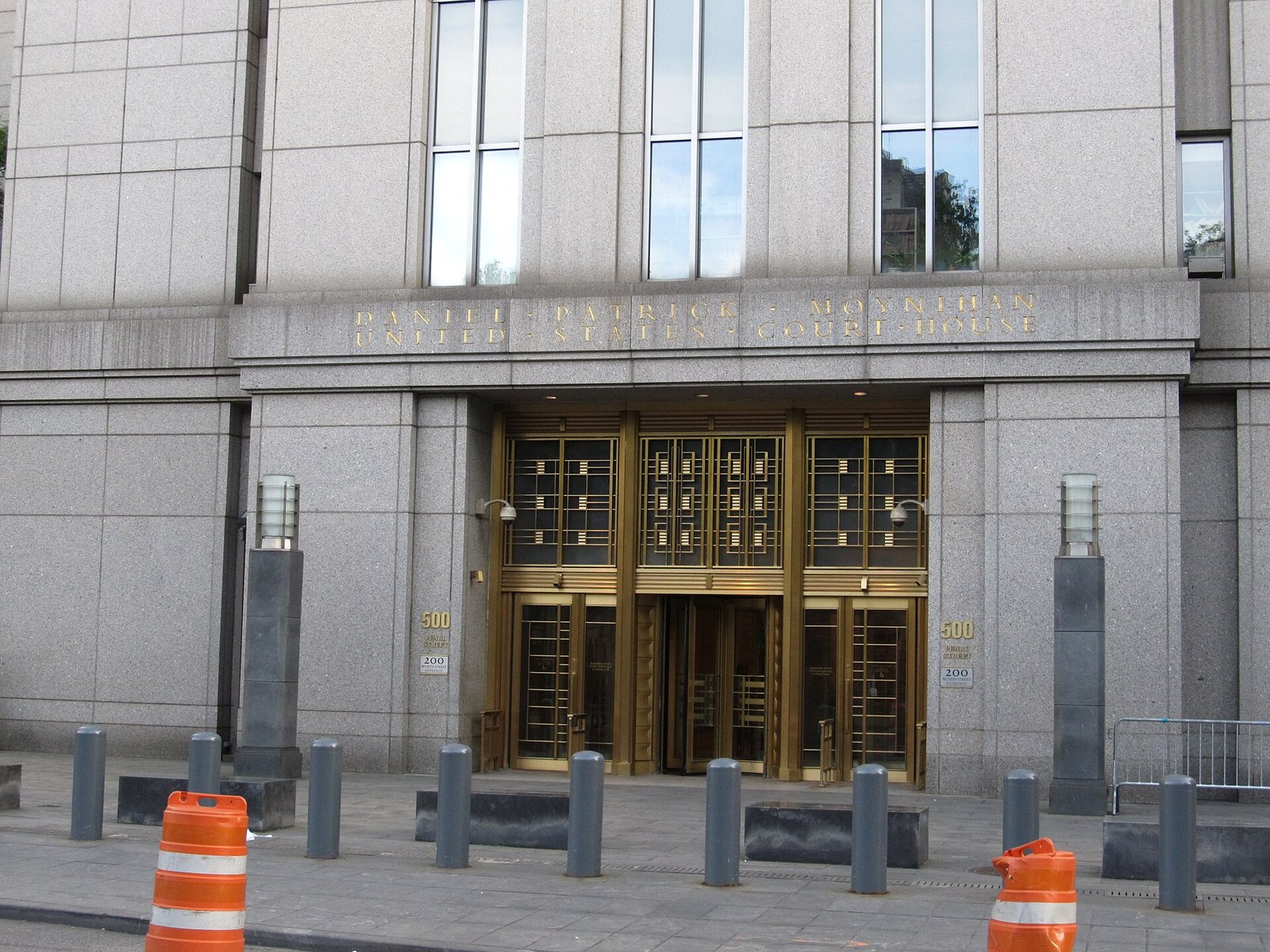
_Image: The Daniel Patrick Moynihan US Courthouse in Manhattan, one of the Southern District of New York's federal courthouses. Photo by Ken Lund, Wikimedia Commons.jpg), CC BY-SA 2.0. Cropped._