Prediction markets called the midterms. Most races were easy
Prediction markets got their biggest test yet on Tuesday night, and the favourites mostly won.
Kalshi, the US-regulated exchange that lets people bet on events, says $2.5bn was traded on its 2026 midterm markets, almost double the $1.3bn traded during the 2024 presidential election. In a recap published on Wednesday, the company said the side its traders favoured went on to win 479 of the 487 races resolved so far, or 98 per cent. The tally includes down-ballot statewide offices such as attorney-general; in the headline contests it was 356 of 360 House seats, 32 of 33 Senate races and 33 of 34 governorships.
Its markets also moved before the networks called the results. Kalshi says the chance of Democrats taking the House passed 99 per cent at 8.10pm Eastern time, and the Senate at 9pm.
Some calls were made months in advance. Traders had the Democrat Bobby Pulido as favourite in Texas's 15th district from March; Kalshi says he won by nearly 25 points, in a district Republicans carried by 18 in 2024. In North Carolina, the expected margin for Roy Cooper's Senate bid widened from 9.5 points when early voting began to more than 15 by election eve. He won by nearly 20.
Three things make the 98 per cent figure less impressive than it sounds. Most House seats are not competitive, so backing the favourite in a safe seat is hardly a forecast; Joshua Clinton, the Vanderbilt political scientist who led a 2025 study of election markets, told Reuters that this makes overall accuracy "harder to interpret". The tally is Kalshi's own, and some races are still uncalled. And the markets have recently got big contests badly wrong. The Guardian reported that Polymarket priced a win for Flávio Bolsonaro in Brazil's presidential runoff last month at about 80 per cent; Luiz Inácio Lula da Silva won. The day before New York's 2025 Democratic mayoral primary, Polymarket gave Andrew Cuomo a 66 per cent chance. Zohran Mamdani beat him by 12 points.
Money is pouring in anyway. Citing DefiLlama data, the Guardian said combined trading on Polymarket and Kalshi reached $21bn in October, a monthly record, up from just over $4m in October 2022.
Whether a better election night helps Kalshi with regulators is another matter. Several states still argue its election and sports contracts are illegal gambling, and that fight will be settled in the courts, not by its hit rate.
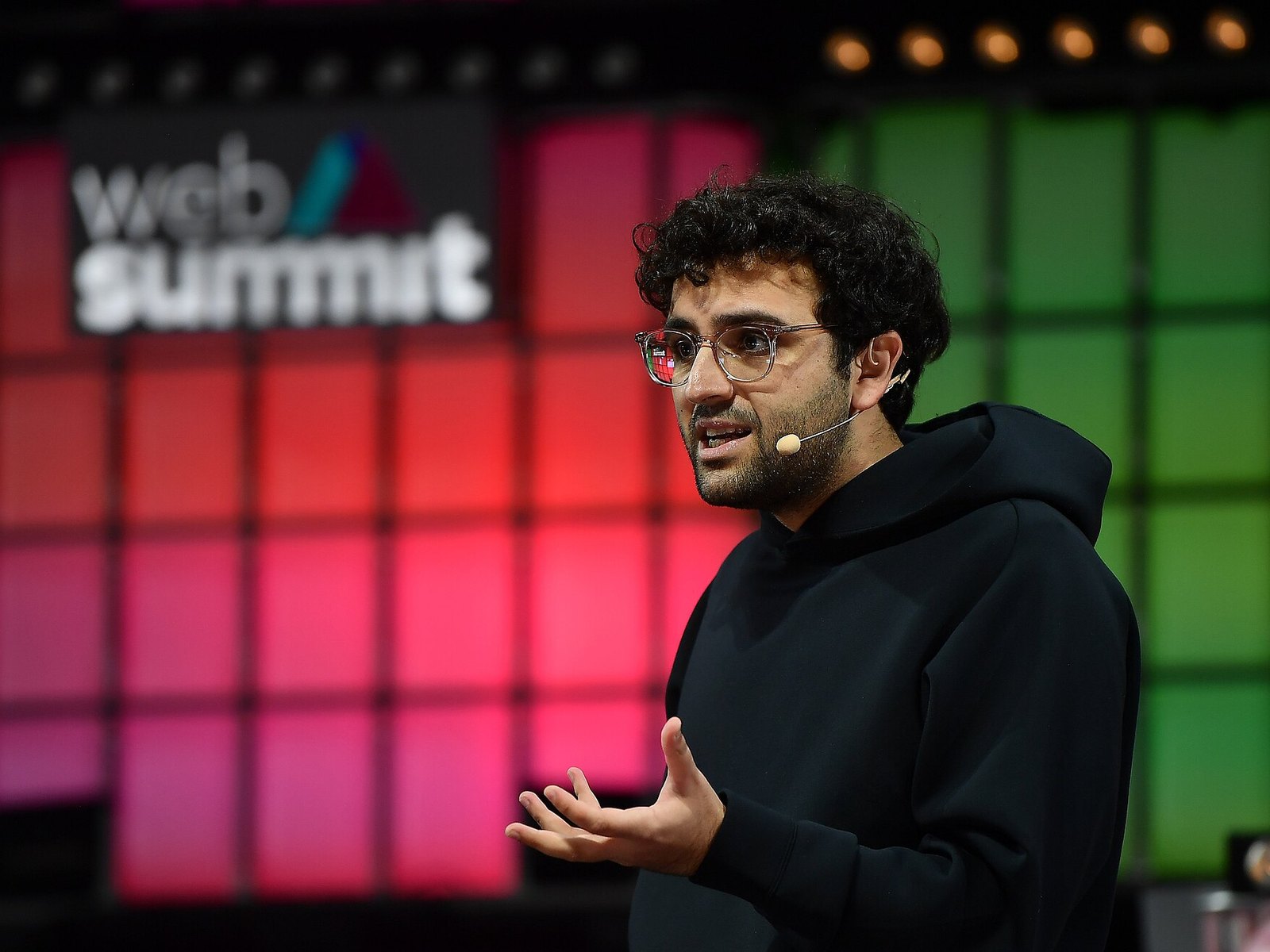
_Image: Kalshi co-founder Tarek Mansour at Web Summit 2021. Photo by Diarmuid Greene / Web Summit, Wikimedia Commons, CC BY 2.0. Cropped.