A record 25.2m Americans under 35 live with their parents
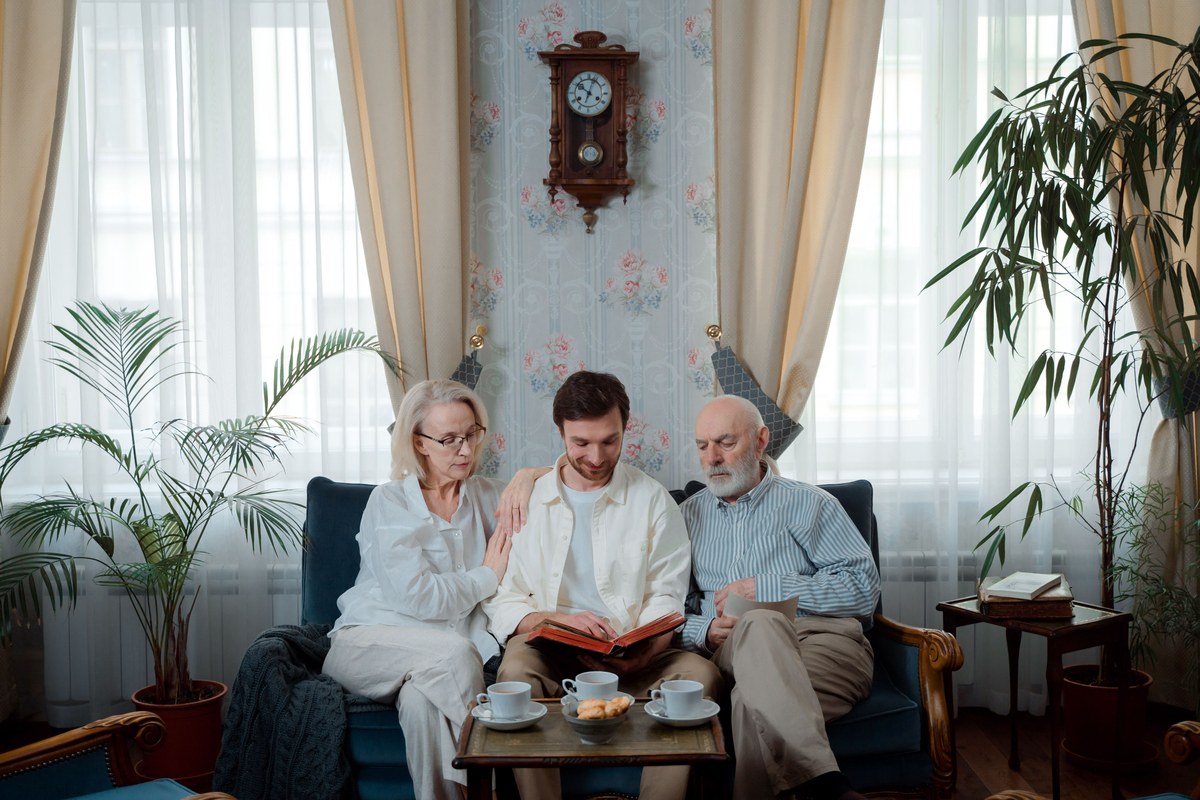
More young Americans are living with their parents than at any point on record: 25.2 million adults under 35.
The figure comes from an analysis of the Census Bureau's Current Population Survey for 2025, published in June by Realtor.com's economic research team. It is worth a second look, because the detail is more interesting than the headline.
The count and the share
Two numbers matter, and they say slightly different things.
- The count is a record. 25.2 million 18- to 34-year-olds lived with a parent in 2025, more than at the height of the pandemic.
- The share is just shy of one. 33.0% of under-35s live at home, just below the all-time high of 33.6% set in 2020.
Roughly one in three. The count has gone higher while the share has not, partly because there are simply more young adults than there were. But the share has been at or near its 2020 peak since 2022 and, the report says, "shows no signs of easing".
How it got here
Realtor.com describes the rise as two lurches. The first came with the 2008 financial crisis, when co-residence rates jumped and then failed to fall back during a decade of rising wages and falling unemployment. The second came with Covid. A brief retreat in 2022 looked like a recovery; it was not.
The report's best device is a counterfactual. It asks how many young adults would be at home if the co-residence rates of 2000 to 2003 had held, age by age:
| Year | Actually at home | If early-2000s rates held | Excess |
|---|---|---|---|
| 2000 | 17.8m | 17.7m | +0.1m |
| 2007 | 19.2m | 18.7m | +0.5m |
| 2010 | 20.8m | 19.4m | +1.5m |
| 2015 | 23.0m | 19.6m | +3.4m |
| 2019 | 23.5m | 19.4m | +4.0m |
| 2025 | 25.2m | 20.3m | +4.86m |
That is nearly five million households that, by the standards of a generation ago, should exist and do not.
It is not about jobs
The stereotype of the jobless son in the basement does not survive the data. Among 25- to 34-year-olds living at home, about 70% are employed. A third of 25- to 29-year-olds at home have a four-year degree, up from fewer than one in four in 2000. In 2000, roughly one in nine people in their late twenties was both working and living with their parents. By 2025 it was nearly one in seven.
By age group:
- 18 to 24: 57.6% live at home, 17.6 million people
- 25 to 29: 20.4%, the only group that has edged down from its recent high
- 30 to 34: 12.7%, almost double the 7.1% of 2000, about three million people
The fall among people in their late twenties has a specific cause, Realtor.com argues: many of them caught the low mortgage rates of 2020 and 2021 and a wave of new rental supply. The cohort behind them did not, and the people now in their early thirties, who were 25 to 29 during the pandemic, never fully launched.
The price of leaving
The arithmetic is simple. The median listing price was $430,000 when the report was written, 34.4% above 2019. Median asking rent was $1,673, up 17.9%. Realtor.com's separate research puts the national shortfall at about four million homes. The typical first-time buyer is now 40.
Our take
The phrase "failure to launch" puts the blame on the child. This report puts it where it belongs, on a housing market that has not built enough entry-level homes since 2008. Employed, educated adults are not staying at home for fun; they are doing the maths.
There is a cost beyond cramped kitchens. Every year spent in a childhood bedroom is a year without building equity, which is how most American families build wealth. Parents are subsidising the gap, and the bill will come due in their children's retirements, not their own.
The share will not fall until the supply rises. Nothing in this data suggests that is happening soon.
Sources: Realtor.com Research; US Census Bureau, Current Population Survey; IPUMS CPS