Pet to adopt: Charli Girl, and why Texas has so many Great Pyrenees to rehome
Charli Girl is a year old, 75 pounds and great with goats and children. One Texas rescue lists 85 dogs like her. The reason starts on the state's sheep and goat ranches.
By The Graze · November 15, 2026 · 5 min read
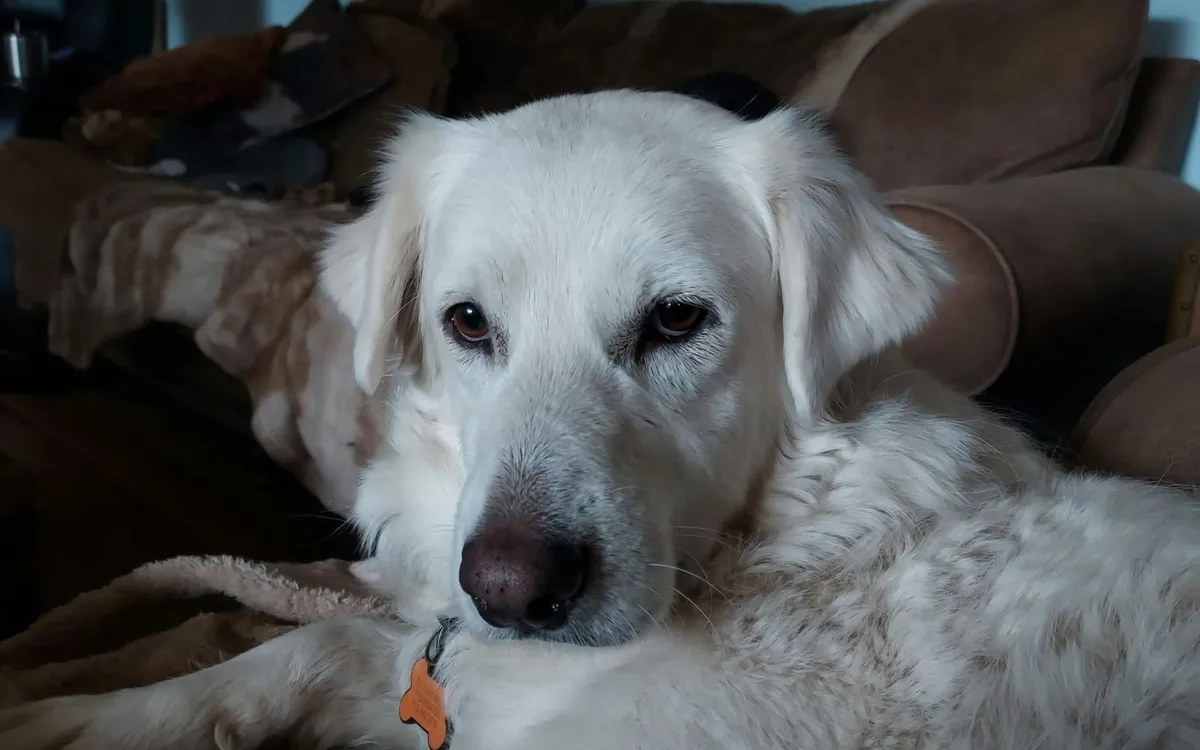
Charli Girl is a year old, weighs 75 pounds and is great with goats, children and other dogs. She is less sure about chickens. She is one of 85 dogs listed for adoption by a single Texas Great Pyrenees rescue, and the reason there are so many says a lot about how the breed is bred and sold.
Meet Charli Girl
Texas Great Pyrenees Rescue lists Charli Girl in its San Antonio area. Her listing describes a sweet, shy dog who lights up around children, other dogs and anyone she gets to know, and who likes to swim. Her first write-up said she would love to be a mostly outdoor dog. The rescue's latest update says she has "completely come around to the luxury of homelife", and that even the older dogs and the cats love her.
She is fully vetted, with her shots and prevention done. The rescue's fee for a Pyrenees aged one or older is $350. You do not need to live in Texas: the rescue coordinates transport to every US state, Canada and Mexico, at the adopter's expense.
A dog built for a job
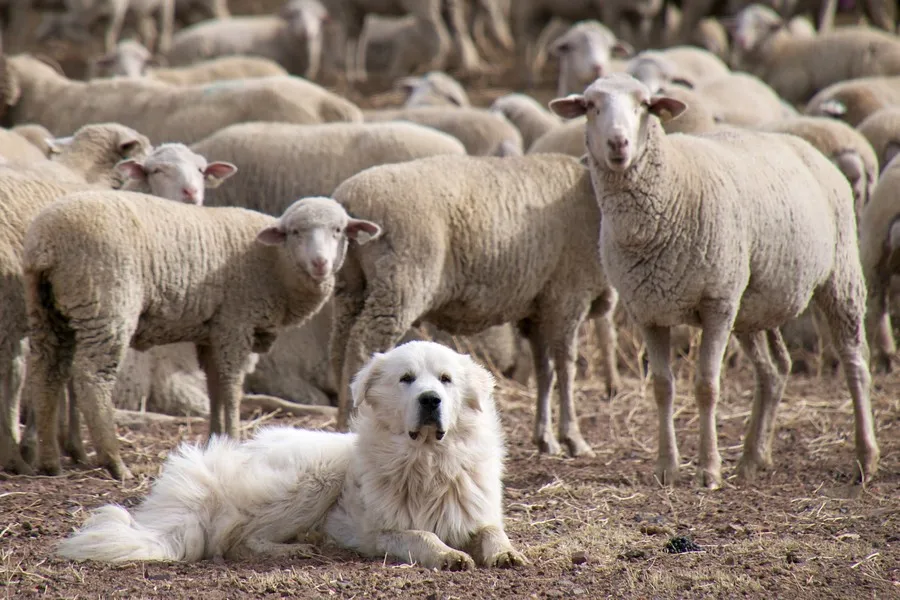
The American Kennel Club's official standard for the breed says the Great Pyrenees was bred for "the strenuous work of guarding the flocks in all kinds of weather on the steep mountain slopes of the Pyrenees". By the standard, a 25-inch female weighs about 85 pounds and a 27-inch male about 100.
Guard dogs still do that work on American farms. A US Department of Agriculture study of sheep farms found that the share of all sheep operations using guard dogs rose from 10.3 per cent in 2004 to 23.5 per cent in 2014. Among farms that used any non-lethal way to keep predators off, 40.5 per cent used guard dogs, second only to fencing. The bigger the flock, the more likely the dogs: among those farms, 66.8 per cent of the ones with 1,000 or more sheep used them.
Why Texas has so many
Texas is the centre of that world. On 1 January 2026, by the USDA's count, it had more sheep than any other state and more than a third of the country's meat goats.
Texas flocks and herds, 1 January 2026
| Livestock | Texas (head) | United States (head) | Texas share (%) |
|---|---|---|---|
| Sheep and lambs | 700,000 | 4,990,000 | 14.0 |
| Meat and other goats | 760,000 | 2,005,000 | 37.9 |
| Angora goats | 53,000 | 89,000 | 59.6 |
| Milk goats | 22,000 | 415,000 | 5.3 |
Texas Great Pyrenees Rescue's own foster handbook says overpopulation in the state "continues to be a growing issue". It names the causes plainly: dogs abandoned once they outgrow the "cute puppy" stage, dogs left behind when they fail as untrained farm dogs, uncontrolled backyard breeding and poor access to spaying and neutering.
The rescue also warns buyers not to assume a purebred Pyrenees will take to guarding on its own. Young guardians, it says, need training from both a mentor dog and their shepherd. Many owner surrenders, it adds, are overgrown puppies that chewed things, were never trained or got bigger than expected. In the summer months the rescue gets calls about six or seven dogs a day, which works out at roughly 180 to 210 dogs in a 30-day month.
Texas is not unusual. According to Modern Farmer in 2023, Carolina Great Pyrenees Rescue, which once took and rehomed every Pyrenees it heard about, about 100 to 150 a year, had been contacted about more than 630 dogs in the first eight months of that year. An intake director at National Great Pyrenees Rescue told the magazine that shelters in the worst-hit states, Texas among them, can see 15 to 30 Pyrenees a month.
Our take
The Great Pyrenees has a supply problem, not a popularity problem. The American Kennel Club ranks it 74th of 210 breeds, nowhere near the top. Yet one Texas rescue lists 85 dogs for adoption. The dogs come from the same places the livestock are, bred for a job that many of them are never trained to do, and sold to buyers who learn too late how big, independent and loud a guardian dog is.
That is why the rescue's matching matters. What a young guardian needs, in the rescue's words "a leader, not a boss, and a firm but patient training regimen", is the same thing a young house dog needs. Charli Girl is the proof. She was listed as a mostly outdoor dog and has since come round to home life, with the older dogs and the cats as fans.
For an adopter, the numbers are on your side. A vetted, vaccinated dog with a known temperament costs $350 plus transport, and you skip the puppy stage that the rescue says is behind so many surrenders. The rescue says most Pyrenees develop what it calls the "living rug" quality as they mature, and its handbook adds that they are always watching, with a deep bark for any threat, "real or imagined".
If you have a fenced yard, room for a 75-pound dog and patience for the rescue's 3-3-3 rule (three days to decompress, three weeks to learn the routine, three months to feel at home), Charli Girl is worth a call.
Sources
- Texas Great Pyrenees Rescue, Charli Girl adoption listing (read 15 November 2026)
- Texas Great Pyrenees Rescue, Adoptable Great Pyrenees (85 dogs listed and transport terms, read 15 November 2026)
- Texas Great Pyrenees Rescue, Information and adoption FAQ (fees, working dogs, calls per day)
- Texas Great Pyrenees Rescue, 2025 Foster Handbook (overpopulation in Texas)
- USDA National Agricultural Statistics Service, Sheep and Goats (30 January 2026)
- USDA APHIS, National Animal Health Monitoring System, Sheep and Lamb Predator and Nonpredator Death Loss in the United States, 2015 (guard dog use, tables E.1, E.2 and E.7)
- American Kennel Club, Official Standard of the Great Pyrenees (approved 12 June 1990)
- American Kennel Club, Great Pyrenees breed page (popularity rank)
- Modern Farmer, Lena Beck, These dogs are in crisis. Who looks after the guardians? (18 September 2023)
- Calculations by The Graze: Texas shares of US inventory (Texas head / US head); calls per month (6 to 7 a day x 30 days).