
The snowboarder who rode down Everest, then vanished on his second try
In May 2001, a young snowboarder from Chamonix rode a snowboard from the summit of Everest to the bottom. Sixteen months later he went back to try a steeper line, dropped in from the top and was never seen again. His name was Marco Siffredi, and his story is resurfacing online this week.
The first descent
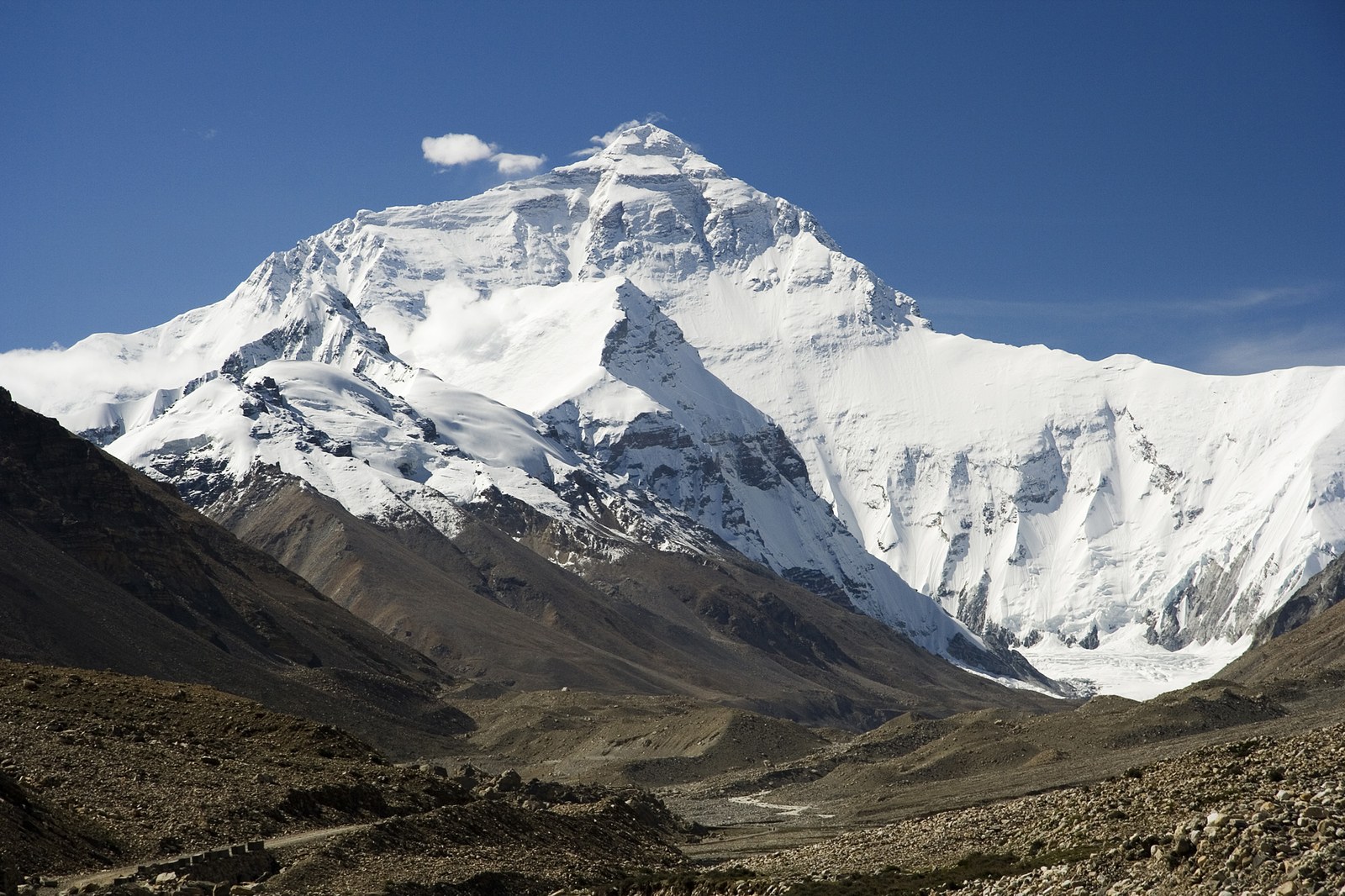
Siffredi was a professional snowboarder from Chamonix, the French Alpine town where his father worked as a mountain guide. In May 2001 he made the first complete snowboard descent of Everest, riding down the Great Couloir, also called the Norton Couloir, on the mountain's north face in Tibet. National Geographic reported at the time that he rode about 5,300 metres of vertical before reaching base camp.
It was an extraordinary feat, and it was not enough for him. He wanted the Hornbein Couloir, a narrower, steeper gully further west on the north face, with slopes of 45 to 55 degrees the whole way down.
The second attempt
Siffredi returned in the autumn of 2002, when very few expeditions attempt Everest. The record compiled for the American Alpine Club by Elizabeth Hawley, the Kathmandu-based chronicler of Himalayan climbing, sets out what happened.
Siffredi reached the summit with three Sherpas, Panuru, Phurba Tashi and Da Tenzing, at 2 PM Nepal time on September 8, 2002, by the standard north ridge route. They had pushed through chest-deep snow, using oxygen. The weather at the top was fine, but Siffredi waited for cloud below to clear.
About an hour later, he started down. The Sherpas descended on foot by the route they had climbed. At advance base camp, at 6,400 metres, his friend, the French guide Olivier Besson, watched through binoculars as he began the descent. Siffredi had expected to reach a camp at the foot of the face, at 5,800 metres, within about an hour.
He never arrived. His track in the snow was clearly visible down to about 8,600 metres. Beyond that, there was no sign of him, his board or his line. There are no crevasses where the trail ended. Searches from below and efforts by the French government found nothing. "No one knows what became of him," Hawley wrote. "He simply vanished."
Accounts differ on details. National Geographic's report at the time gave the date as September 9 and placed Besson at base camp. The American Alpine Club and the Italian site Planetmountain both give September 8 and advance base camp, which matches the expedition's timeline.
What may have happened
Friends offered theories. One, Mike van Westering, told National Geographic he thought Siffredi might have stopped, fallen asleep and never woken, because the risk of falling where the tracks ended was small. Others in Chamonix thought he fell. His mother told reporters: "We should not delude ourselves. He is dead."
The family already knew the cost of the mountains. Siffredi's brother had died in an avalanche in Chamonix years earlier.
Our take
Stories like this tend to go viral as mysteries, with a dramatic photo and a hint of the supernatural. The facts are sadder and more ordinary. A young athlete at the very edge of what was possible, in thin air and deep autumn snow, made a mistake or was caught by the mountain, in a place where no one could see him.
What makes Siffredi worth remembering is not the disappearance, but the first descent. Riding Everest from top to bottom on a snowboard was a genuine first, done on his own terms, and it still stands as one of the great achievements in mountain sport.
His friend put it best. "He took risks but calculated every move," van Westering said. "If anyone was going to pull this off, it would have been him."
His story is also a reminder of how dangerous extreme skiing and snowboarding at altitude remain. National Geographic called the Hornbein the steepest of all the potential lines on Everest, and nothing about the mountain has made it safer since. Respect for that line, and for the people who attempt it, is the right response, not a viral caption.
Sources
- American Alpine Club, Asia, Tibet, Himalaya, Mt. Everest, north face snowboarding attempt, American Alpine Journal (2003), by Elizabeth Hawley
- National Geographic, Everest snowboarder vanishes on second try (September 27, 2002, archived copy)
- Planetmountain, Marco Siffredi reported missing on Everest (September 2002)