Italians are furious about KFC on their luxury ski slopes
KFC wanted to surprise people by opening on two of Italy's smartest ski slopes. It worked. The surprise was mostly fury.
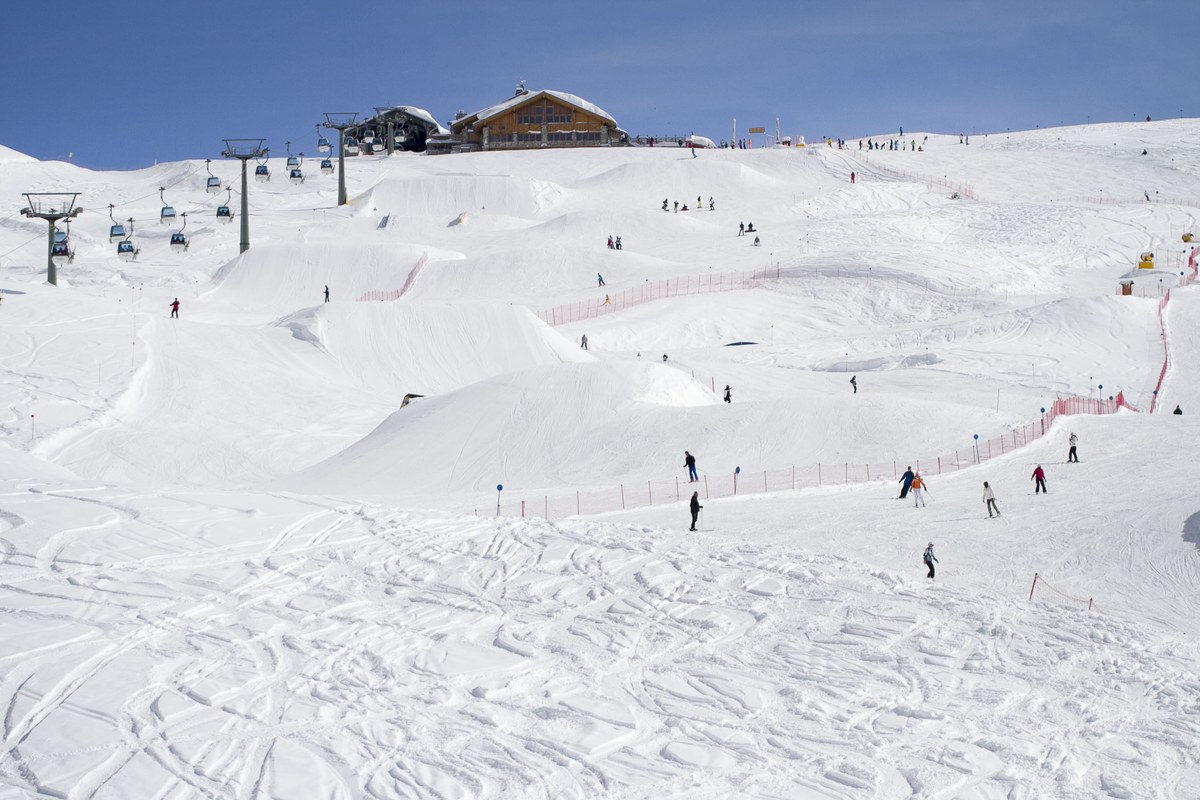
On December 5, the fried-chicken chain was due to make its debut at altitude in the Dolomites, at Cortina d'Ampezzo and Madonna di Campiglio. It would have been the first fast-food outlet on an Italian ski slope. A major local shareholder threatened legal action. By Monday, the Cortina half of the plan had been sharply scaled back.
The plan
KFC announced the project with Super G, an Italian company that runs mountain restaurants and après-ski venues. In Cortina, the chicken was to be sold at Rifugio Faloria, the mountain hut at 2,123 metres on Mount Faloria. In Madonna di Campiglio, on the other side of the Dolomites in Trentino, the outlet would sit at 1,700 metres on the Piana di Nambino, next to an après-ski club.
"We really wanted this project because it perfectly represents how we envision KFC's evolution: continuing to surprise, reaching places where no one would expect to find us, and doing so without sacrificing what makes us unique," said Marzia Farè, KFC Italy's chief marketing officer. The company said it was aiming beyond its Gen Z regulars, "from young families to mountain lovers".
The backlash
The loudest objection came from inside the mountain. Alberico Zardini is a majority shareholder in Faloria Spa, the company that runs the lifts and infrastructure on Mount Faloria. "The mere idea is disgraceful," he told Il Messaggero. "It's absurd and shameful to imagine a fast-food joint in the most beautiful spot in Cortina."
He wrote to Faloria's management warning that he would take legal action, and "denounce the board of directors and the director", if the project went ahead. His particular objection was the building: a luxury restaurant is planned for the hut's upper floor. "And what do we do underneath? Do we sell fried chicken? I am one hundred percent against it. And I will not stand still."
He was not alone. Oscar Farinetti, the founder of Eataly, told Il Sole 24 Ore the brand "doesn't belong here at all", and blamed his fellow consumers: "We're eating fried chicken instead of a nice slice of salami with a glass of fresh wine." A Trentino councillor, Paola Demagri, complained of mountain identity being "sold out to Kentucky chicken", the Guardian reported. Others shrugged. "We have nothing against fried chicken," said Cristian Ferrari, president of the Trentino mountaineering society SAT, "but are we sure this is the issue we should be most worried about?"
The climbdown
On Monday, November 9, Faloria's board met to deal with the row. Its statement, reported by the local news site il Dolomiti, said KFC's announcement had "anticipated a representation of the project never shared and approved by Faloria". A rendering showing KFC branding on the outside of the hut had been released without the board's approval. No exterior changes had ever been authorised, it said, and the hut will keep its current appearance.
Super G's chief executive, Andrea Baccuini, then spelled out what is actually happening in Cortina. There will be no new restaurant and no KFC-branded outlet. Instead, the existing ground-floor bar, which sells sandwiches, toasties, drinks and snacks, will add six KFC products to its quick-service menu. Super G's Italian restaurant and après-ski offer continue as before.
So Cortina gets KFC on the menu, not KFC on the mountain. Nothing similar has been announced for Madonna di Campiglio, where Walter Ferrazza, president of the Adamello Brenta nature park, has urged locals to "have the courage to say 'No'".
Our take
KFC's instinct was not mad. Lift passes and lunches in Cortina, which co-hosted the Winter Olympics this year, are notoriously expensive, and a bucket of chicken at altitude would have sold. The mistake was the announcement: a brand rendering on a historic hut, released before the landlord had signed off, was always going to look like an invasion.
The compromise is very Italian. The chicken is allowed in, as long as nobody can see it from the outside. Six menu items in a bar is a sensible test. A red-and-white logo on a Dolomites rifugio was never going to survive contact with the people who ski there.
Sources: il Dolomiti; Corriere delle Alpi; The Guardian; Inc.