A food festival expected 50,000 visitors and fewer than 2,000 came. Why so many events flop
A two-day food festival in a small Japanese city told vendors to expect 50,000 visitors. By the stallholders' own counts, fewer than 2,000 came. The fallout shows how events fail long before the gates open, and what vendors and ticket buyers can check first.
What happened in Kurayoshi
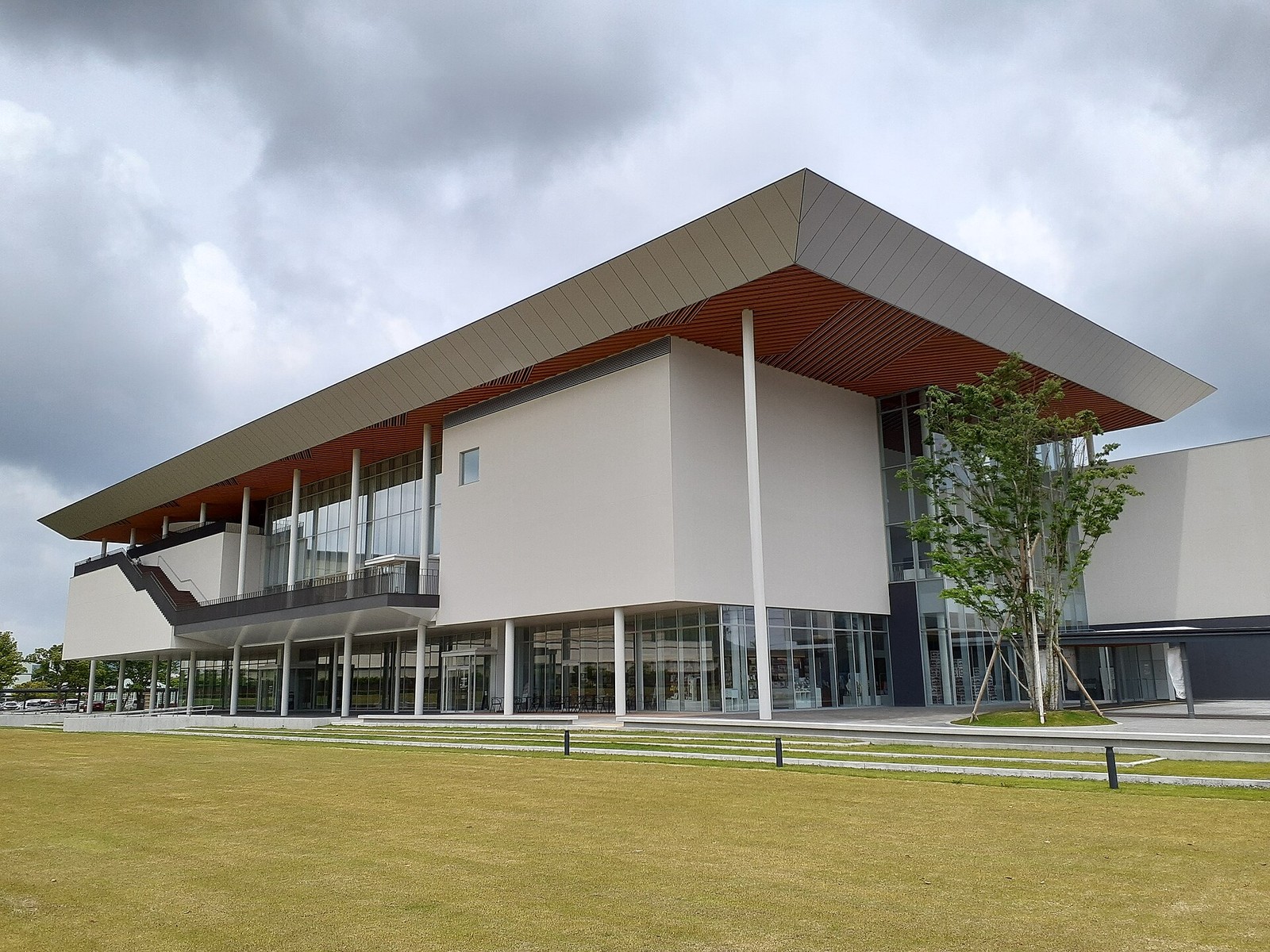
The "Local Food Fight in Tottori" ran on 7 and 8 November on the lawn of the Ōmidō temple ruins park, in front of the new Tottori Prefectural Museum of Art in Kurayoshi. About 40 to 50 stalls from across Japan, selling fried chicken, yakiniku, ramen and crepes, were split into "East" and "West" teams competing on sales. Entry was free; food was bought with ¥300 and ¥500 vouchers, and the organisers held the takings and promised to pay vendors within a week. Its executive committee, co-chaired by Sayoto, a YouTuber with about 260,000 subscribers, and Matsubayashi, an organiser, promoted it with a celebrity stage show, a live stream and a press release seeking last-minute sponsors.
The recruitment flyer put expected attendance at 50,000 and the economic impact at ¥1bn (about $6.3m). The crowd never arrived. Vendors told Nihonkai TV that about 300 people came on the first day; Yomiuri Shimbun was told that even generous estimates for both days stayed under 2,000. The committee says attendance exceeded 500. Sayoto, by eye, put it at 1,000 to 1,500.
The site was not ready either. Tents and refrigerators due the evening before had not arrived; vendors found tables, chairs and no electricity, and several could not open. About ten stalls pulled out on the second day. The setup contractor says its contract lapsed on 3 November after a payment deadline was missed; the committee says it had paid. Kurayoshi city says it only issued the park permit, applied for on 18 September and granted on 4 November, and gave no subsidy.
What the vendors lost
A fried-chicken shop from Matsue prepared about 200kg of chicken, paid a ¥55,000 stall fee upfront and spent about ¥330,000 more. It hoped for ¥700,000 to ¥800,000 on day one and took about ¥10,000, then skipped day two. Matsui Sake, a Kurayoshi brewer that captained the "West" team, told Yomiuri it lost about ¥700,000 over the weekend.
On 11 November the committee apologised and began paying out some vendors' sales. It says it is consulting a lawyer so that every vendor is treated alike, and plans to meet stallholders. No final attendance figure or compensation plan has been published.
The numbers, worked through
Yen converted at ¥158 to the dollar (Federal Reserve rate, 6 November).
| Measure | As promised | As reported |
|---|---|---|
| Visitors over two days | 50,000 | Fewer than 2,000 (committee: more than 500) |
| Visitors per stall, at 40 stalls | 1,250 | Under 50 |
| Crowd as a share of Kurayoshi's 42,497 residents | 118% | Under 5% |
| Chicken shop, day-one sales | ¥700,000-800,000 ($4,400-5,100) | About ¥10,000 ($63) |
| Chicken shop, money laid out | ¥385,000 ($2,400) incl. fee | Equal to 770 ¥500 vouchers |
| Standard stall fee | ¥50,000 ($320) | VIP slot ¥100,000 ($630) |
The promised crowd was larger than the whole city's population. A ¥10,000 day is twenty ¥500 vouchers.
Where the 50,000 came from
Both chairs say the target was borrowed. Sayoto told BSS San-in Broadcasting that a yakitori festival at the same venue had announced 94,000 visitors, so 30,000 to 50,000 seemed achievable over two days. He says that about a month before opening he saw that event's accounts, and its sales did not fit 94,000; his guess is that the real figure was 20,000 to 30,000, "probably a problem of counting method". Matsubayashi said the committee learned only after the festival that earlier attendance claims it had used as benchmarks were far off. Between them they also blamed rain and a sudden cold snap, a clashing event elsewhere in Tottori, online criticism and thin advertising; Sayoto said they needed three to five times the promotion they bought.
How it compares
| Event | Promise | What happened | Who paid |
|---|---|---|---|
| Fyre Festival, Bahamas, 2017 | Music festival over two weekends | Cancelled | More than 80 investors lost over $24m; a ticket vendor $2m; founder sentenced to six years |
| Willy's Chocolate Experience, Glasgow, 2024 | An "Enchanted Garden" at up to £35 a ticket | Sparse warehouse; police called; shut within hours | Families; full refunds promised |
| Local Food Fight, Kurayoshi, 2026 | 50,000 visitors, ¥1bn impact | Fewer than 2,000 visitors, no tents or power on day one | Vendors, who paid fees and stock upfront |
Most failures are quieter. The Association of Independent Festivals counts 78 UK festivals cancelled, postponed or closed in 2024, 43 in 2025 and 47 so far in 2026. One, Country In The Country, cancelled because ticket sales "have not reached the level required".
Our take
Every event is a bet on a crowd, and the people who carry that bet are rarely the ones who set the number. Here the organisers held the vendors' cash, the vendors bought the stock, and the only figure anyone had was a target borrowed from another festival's announced crowd. Announced attendance is marketing, not data. Nobody audits it, it can be counted many ways, and the next organiser treats the last one's boast as a forecast. Even the chair who set this target now calls the benchmark a counting problem.
For a vendor, the questions are simple. How was last year's crowd counted, and what did the stalls actually take? Is there a signed contract, and who holds the money? Is the permit granted? Here it came three days before opening. Is the setup crew paid, and what happens if the event is called off? A ¥50,000 fee that buys a pitch on an empty lawn is the cheapest part of the loss; the chicken shop's ¥330,000 of other costs was the expensive part.
For ticket buyers, the warning signs are a lavish promise, a first-time organiser and a last-minute sponsor drive. Prefer events with a track record and refunds through your card.
What to watch: whether the committee publishes its accounts and its own attendance count, and whether every vendor is paid in full.
Sources
- Local Food Fight executive committee, press release: Local Food Fight in Tottori, tickets and final sponsor call, PR Times
- Tottori Prefecture, estimated population, 1 October 2026
- US Attorney's Office, Southern District of New York, William McFarland sentenced to 6 years in prison, 11 October 2018
- Association of Independent Festivals, Fallen festivals tracker
- Federal Reserve Board, yen to US dollar spot rate (H.10), via FRED
- Yomiuri Shimbun, Food event expecting 50,000 draws under 2,000, 10 November 2026
- Nihonkai TV (NNN), vendor losses and organiser response, 10 November 2026, and committee apology and first payments, 11 November 2026
- BSS San-in Broadcasting, interview with executive committee chair Sayoto, 12 November 2026
- FNN Prime Online, vendors on fees and losses
- ASCII.jp, organisers apologise
- BBC News, Willy Wonka experience: how did the viral sensation go so wrong?
- Tables: The Graze, from the sources above