

From a $1,270 flat in Britain to $800 in Thailand: what it really costs to move abroad
Official British rents are higher than $1,270 for a typical home, and an $800 Thai apartment is only part of the cost of moving abroad.
By The Graze · November 16, 2026 · 5 min read
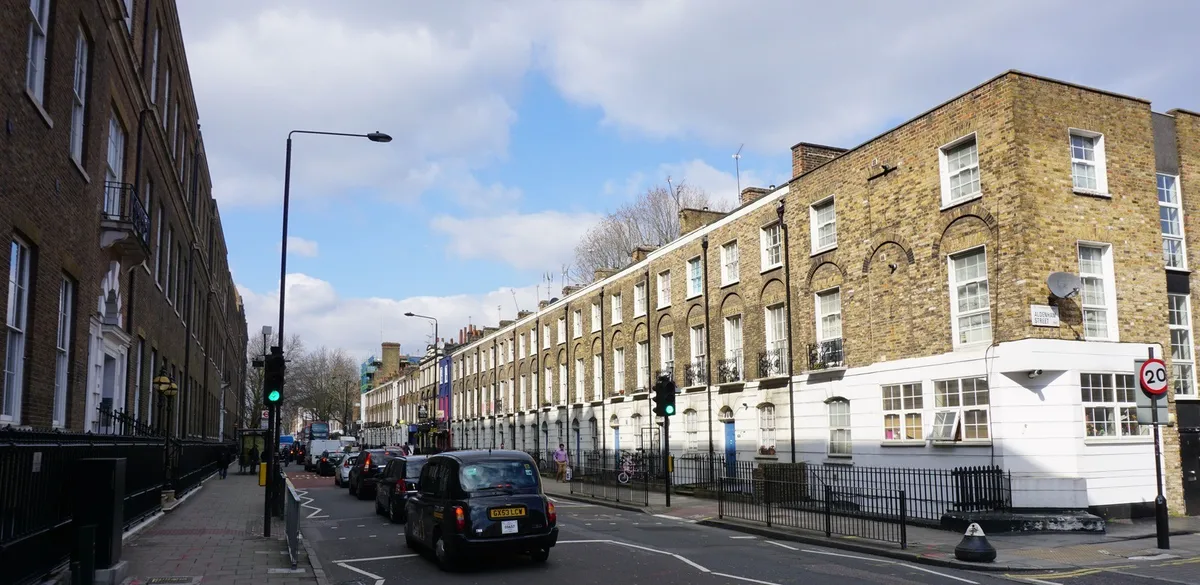
A $1,270 shared flat in Britain and an $800, three-room apartment in Thailand make moving abroad look like a simple rent cut. Those figures are not official averages, and they mix a 2022 shared flat with a 2026 apartment. The Office for National Statistics, in its October 2026 private-rent release, puts the average UK private rent at £1,406 a month in the year to September 2026. At the Federal Reserve's latest published sterling rate, that is about $1,880 — before a Destination Thailand Visa, tax residence or health insurance is considered.
What official rents actually are
The ONS Price Index of Private Rents, which became official statistics in May 2026, covers new and existing tenancies. In the 12 months to September 2026, the provisional UK average rose 3.8 per cent, to £1,406. England was £1,466, up 4.0 per cent, or £56, from a year earlier. Wales was £848, Scotland £1,011, and Northern Ireland £879 in the 12 months to July. The ONS advises caution when comparing Scotland and Northern Ireland with the rest of the UK.
The range inside England is wide. London was the most expensive English region, at £2,338 a month in September 2026; the North East was the cheapest, at £790. Among local areas, Kensington and Chelsea averaged £3,739 and Oxford, the dearest place outside London, £1,957. A typical UK one-bedroom property averaged £1,140; a home with four or more bedrooms, £2,089. Flats and maisonettes averaged £1,371.
A $1,270 shared flat, even converted at today's rate, is about £950 — below the official UK average, and far below London, because it describes a share in 2022, not a whole property in 2026. An $800, three-room apartment in Thailand may be a real personal rent. It is not a national official average. No Thai government rent index equivalent to the ONS series was confirmed from a live official page for this piece.
| Location | Official average, September 2026 | In dollars |
|---|---|---|
| United Kingdom | £1,406 | $1,880 |
| England | £1,466 | $1,960 |
| London | £2,338 | $3,126 |
| North East | £790 | $1,056 |
| UK, one bedroom | £1,140 | $1,524 |
Compiled by The Graze from the ONS Price Index of Private Rents, October 2026 release. Dollar figures use the Federal Reserve's H.10 rate of $1.3371 to the pound on 6 November 2026. Averages cover new and existing tenancies.
The visa is not a rent
Getting to Thailand legally is a separate bill. The Destination Thailand Visa, on official Thai embassy pages, is a five-year, multiple-entry visa for "workcation" — digital nomads, remote workers, foreign professionals and freelancers — and for certain Thai soft-power activities such as Muay Thai, cookery courses or medical treatment. The permitted stay is up to 180 days on each entry.
Applicants must show financial evidence of at least 500,000 baht, such as three months of bank statements. At the Federal Reserve's H.10 rate of 33.53 baht to the dollar on 6 November 2026, that is about $14,900 — a stock of savings, not a month's rent. From 31 August 2026, applicants also have to prove permanent residence in the country where they apply, and to submit a criminal-record clearance. The Royal Thai Embassy in London, in a notice updated on 13 November 2026, tells UK, Irish and British Overseas Territories applicants to submit proof of permanent residence, such as indefinite leave to remain, and an ACRO or Irish police certificate issued within six months.
The visa does not replace Thailand's other rules. The Foreign, Commonwealth and Development Office says that anyone staying more than 90 days must report their residence to the Thai Immigration Bureau every 90 days. Generally, foreign nationals cannot own land. Thailand does not recognise dual citizenship.
Tax and healthcare sit on top
Leaving Britain does not automatically end a UK tax bill. HMRC's statutory residence test, set out on GOV.UK, looks at the tax year from 6 April to 5 April. You may be automatically resident if you spend 183 or more days in the UK, if your only home is in the UK for 91 days or more and you spend at least 30 days there, or if you work full-time in the UK over a 365-day period that overlaps the tax year. You may still be resident under the sufficient-ties test. The automatic overseas tests are stricter: usually fewer than 16 days in the UK, or 46 days if you were not resident in the previous three tax years, or full-time work abroad of at least 35 hours a week with fewer than 91 days in the UK, of which no more than 30 were working days. Residents normally pay UK tax on worldwide income; non-residents pay it only on UK income. The FCDO notes that the UK has a double-taxation agreement with Thailand, so that the same income is not taxed in both countries, and advises professional advice on Thai tax.
Healthcare is another line the rent comparison omits. "Thailand does not have a reciprocal healthcare agreement with the UK," the FCDO says. "Make sure you have appropriate health insurance to cover any healthcare costs." That insurance can come from Thai or international providers. It is not priced in the $800 rent.
Our take
The appeal of the $1,270-to-$800 comparison is obvious, and parts of it can be true. Official British rents are high, and a three-room apartment in Thailand can cost less than a shared flat once did in Britain. That is not the same as a cost-of-living verdict, and it is not a plan.
The official numbers already cut against a casual reading of the headline. The UK average private rent is £1,406, or about $1,880, and London is £2,338, or about $3,126. A 2022 shared flat at $1,270 was cheap by those 2026 standards because it was a share, and because it was four years ago. Using it as the British side of the ledger flatters the move.
The rest of the bill is not rent. A Destination Thailand Visa asks for roughly $14,900 sitting in an account, a five-year multiple-entry stamp that still caps each stay at 180 days, a criminal-record certificate, proof of residence, and a report to immigration every 90 days. It does not, on its own, settle tax residence with HMRC, and it does not replace the health insurance the UK government says you need because there is no reciprocal healthcare agreement. The cheap apartment is the start of the arithmetic, not the end of it.
Sources
- Office for National Statistics, Private rent and house prices, UK: October 2026 (released 21 October 2026)
- Board of Governors of the Federal Reserve System, Foreign Exchange Rates — H.10 (9 November 2026; rates for 6 November 2026)
- Royal Thai Consulate-General, Savannakhet, Destination Thailand Visa (DTV); Royal Thai Embassy, London, Thai E-Visa Information (updated 13 November 2026); and the Thai MFA, Destination Thailand Visa (PDF)
- GOV.UK, Tax on foreign income: UK residence and tax, and Foreign, Commonwealth & Development Office, Living in Thailand (updated 11 December 2025)