The F1 diamond that vanished in Monaco is still missing
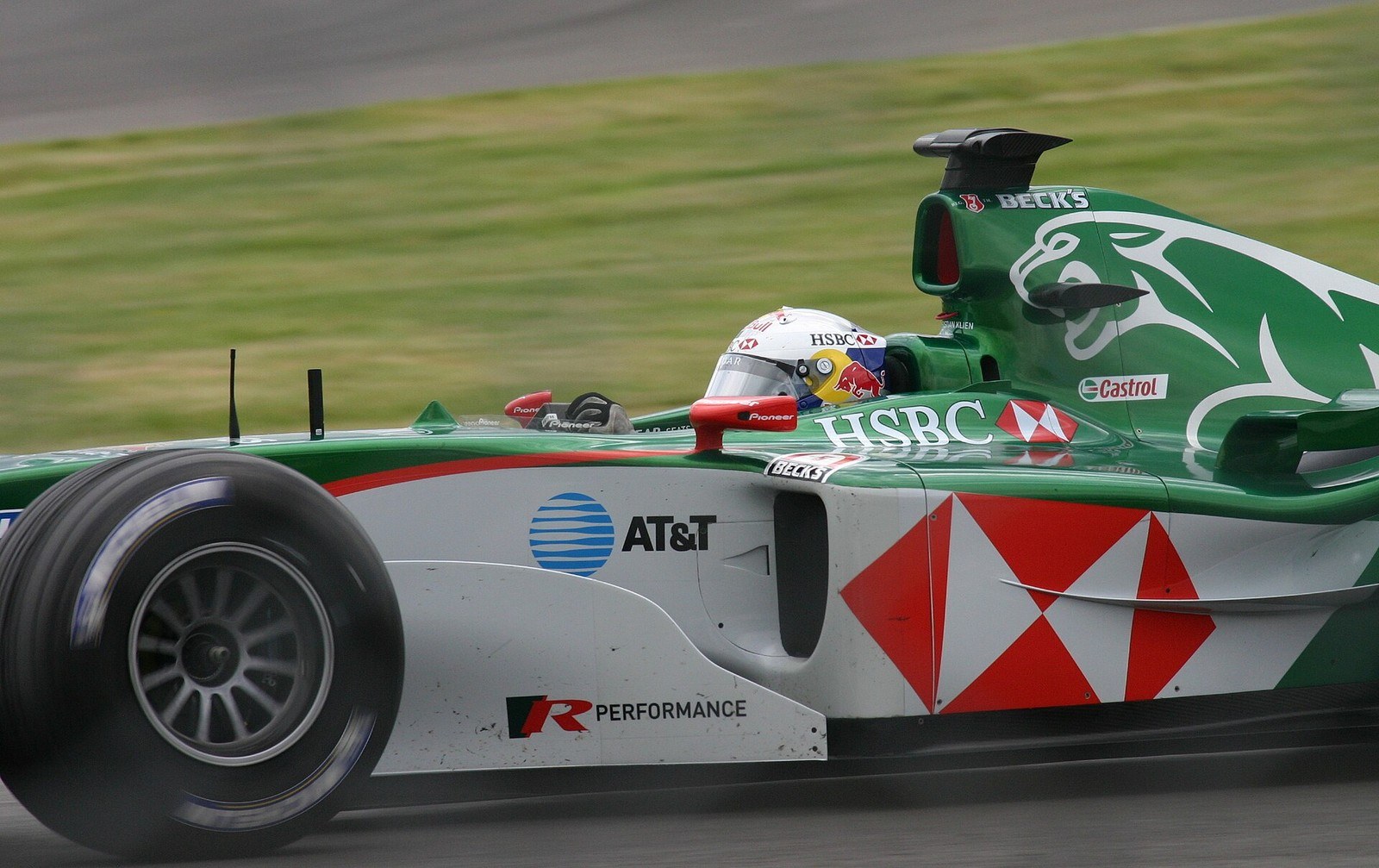
On May 23, 2004, a diamond fixed to the nose of a Formula 1 car disappeared on the first lap of the Monaco Grand Prix. It was a publicity stunt for a heist film, and it turned into a real-life mystery that, 22 years on, nobody has solved.
A struggling team needs a headline
Jaguar Racing had been in Formula 1 since 2000 with mediocre results, and by 2004 its parent company, Ford, had decided to pull out. "My job flipped from primarily running the team to primarily selling the team and finding a new owner or they would shut it down," Tony Purnell, then the team principal, told BBC Sport this week.
The team needed attention. Its director of communications, Nav Sidhu, heard that "Ocean's Twelve", a film about a jewel heist, was shooting scenes in Monte Carlo, and struck a deal for the film's branding and stars, George Clooney, Brad Pitt and Matt Damon, to take over the team for the Monaco weekend. The diamond company Steinmetz supplied gems encased in steel and fixed to the nose cones of both cars, one for the experienced Mark Webber and one for the rookie Christian Klien.
Gone on lap one
Monaco's narrow streets punish small mistakes. The official Formula 1 results show Klien, starting 14th in only his sixth race, completed zero laps. According to the BBC's reconstruction, he made contact with a Jordan on the exit of Mirabeau, damaging the nose, and slid into the barriers at the Loews hairpin. Webber retired after 11 laps. Jarno Trulli won for Renault.
Klien's car was craned off the track and left behind the barriers until the race ended, nearly two hours later. When it reached the garage, the diamond was gone. "His car returned to the garage minus his flawless diamond which has yet to be found," Jaguar said in a statement at the time, reported by the Guardian and CNN. Klien, then 20, called it "the most expensive drive I'll ever take around Monte Carlo".
What was it worth?
The value has grown in the retelling. Reports the day after the race put the gem at £140,000, or about $200,000 at the time. The BBC's account now describes it as a $300,000 diamond, and says the gems supplied for the two cars would be worth about $1m in total today. Reports at the time also said the stone was uninsured. Sidhu told the BBC that repairing the car cost more than the diamond.
The theories
Three explanations have circulated for two decades. The first is that someone simply picked it up. "There's a lot of diamonds in Monte Carlo," Sidhu told the BBC. "Somebody dropped a diamond in Monte Carlo. Well, they're not going to miss that, are they?" Within an hour or so of the finish, the circuit reopened as public roads, with hundreds if not thousands of people nearby.
The second is that it shattered on impact or was swept into a drain. Purnell thinks that is possible. The third, that the diamond was fake or the crash deliberate, both men reject. Sidhu said no diamond company would risk using a fake in public. Purnell recalled the team's managing director scratching an office window with it to prove it was real, and said Klien owned up to "a rookie mistake".
The race in numbers
| Detail | Figure |
|---|---|
| Date | May 23, 2004 |
| Race distance | 77 laps |
| Klien's laps completed | 0 |
| Webber's laps completed | 11 |
| Winner | Jarno Trulli, Renault |
| Value reported in 2004 | £140,000 (about $200,000) |
| Value cited by BBC Sport, 2026 | $300,000 |
Our take
As marketing, it worked better than it should have. Purnell told the BBC that nobody asked about Trulli's win or Jaguar's double retirement, only about the diamond, and that a contact in Detroit, where Formula 1 rarely made the news, reported coverage on every newscast. For a team being shopped to buyers, that was worth far more than a stone.
It is also a good lesson in how stories inflate. The same gem was worth £140,000 in 2004 and is a $300,000 diamond today. Part of the gap may be exchange rates and two decades of inflation; part of it is legend. The facts that can be checked are plainer: a 20-year-old rookie, a lap-one crash, a car left behind the barriers for most of a race, and a gem that was not there when it came back.
The sale went through. Red Bull bought the team six months later and, by the BBC's count, has since won eight drivers' and six constructors' championships. Purnell believes the diamond mystery helped that sale "quite a lot", because it showed huge publicity was possible even for a team that was losing.
Sources
- Formula 1, Grand Prix de Monaco 2004, race result
- The Guardian, Jaguar's F1 tie-in loses its sparkle, May 24, 2004
- CNN, Diamond forever lost for F1 team, May 24, 2004
- BBC Sport, Whatever happened to the diamond that went missing in F1 crash?, November 13, 2026
- Table: The Graze, from the sources above