Thieves tricked a 4,000-person town into wiring them $26m
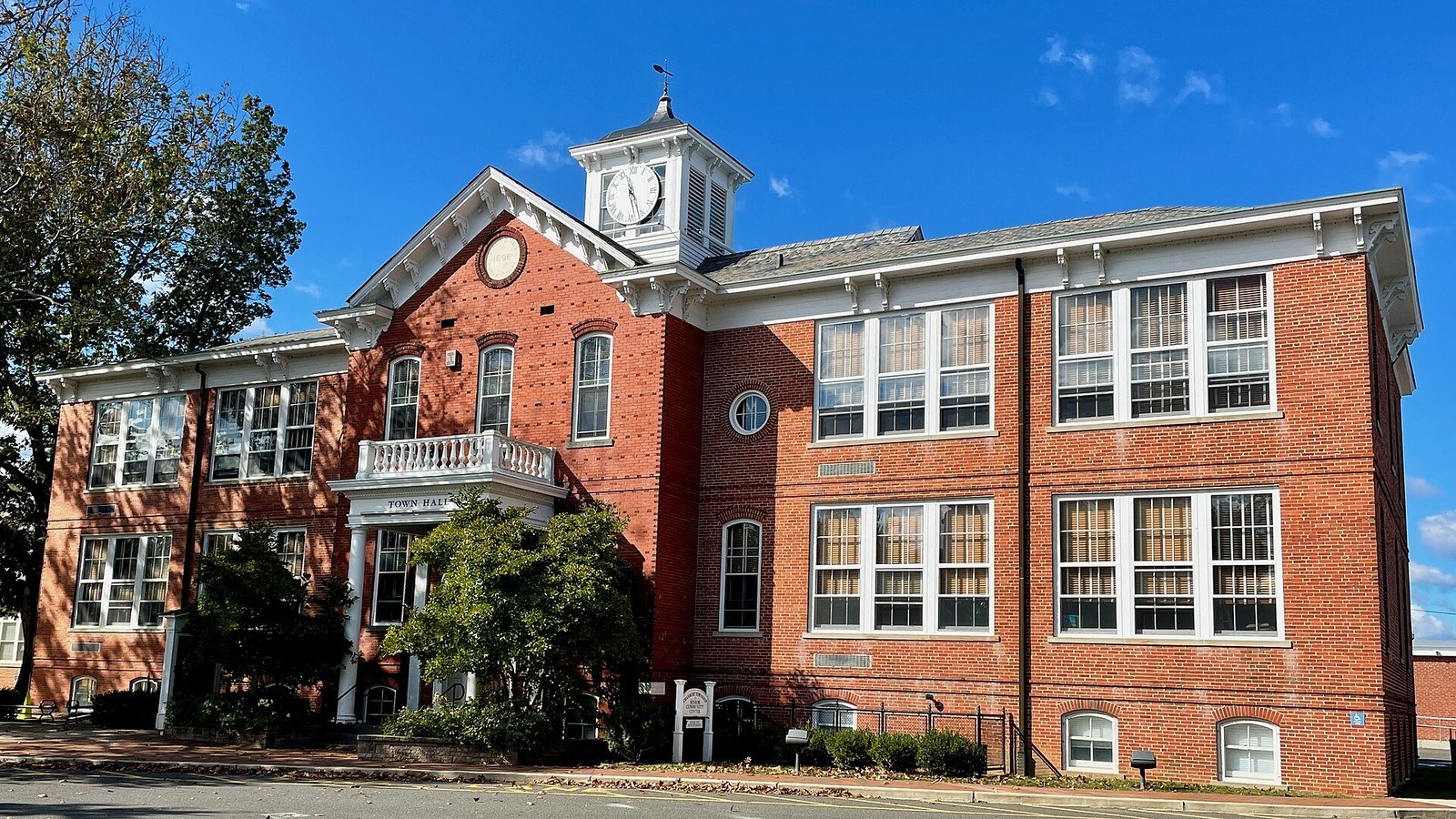
On September 28, a small New Jersey township sent about $26 million to buy land for affordable housing. The money went to criminals instead. Residents of Cranbury, population roughly 4,000, did not hear about it for almost six weeks.
What the township has said
Cranbury Township disclosed the theft in a letter to residents dated November 6, signed by Mayor Lisa Knierim on behalf of the Township Committee. It describes "a sophisticated financial theft involving approximately $26 million wire transfer", money "designated for the purchase of property intended to support the Township's affordable housing obligations."
A task force of local, county, state and federal agencies, led by the Cranbury Township Police Department and the Middlesex County Prosecutor's Office, has been working on the case. The township says investigators have "successfully frozen assets totaling nearly $17.3 million." It has not said who received the wire, how the payment instructions were altered or where the rest of the money went. The letter says only that the "criminal investigation remains active, and additional details cannot be shared at this time."
At a packed meeting in the public library on Monday, November 9, the explanation got blunter. Officials told residents that "a lack of oversight and a severe clerical error" had led to the fraudulent transfer, according to WHYY and CBS New York. Police Chief Giuseppe DeChiara said about $17 million had been recovered and was expected back with the township within 120 days, leaving roughly $9 million missing. CBS New York notes that the township's chief financial officer and administrator has since retired.
Why residents found out so late
The wire went out on September 28. The letter went out on November 6, three days after the November 3 election. Several residents at Monday's meeting asked why they were told so late.
DeChiara said that announcing the theft immediately could have compromised the effort to trace the money, and that he had issued a confidentiality directive to township employees. "After I was notified specifically of what they believe was potential fraud, no less than six minutes my team was at town hall," he said, according to CBS New York. "My first phone call was to the FBI."
Knierim did not argue with the room. "Your anger is valid. Your fear is valid," she said. A former mayor, Jay Taylor, put it more simply: "It's not like you put your hand in your pocket and money falls out, right? It's $26 million."
What happens next
The committee's own plan is mostly about checks that should already exist. At the November 9 meeting it introduced ordinances creating two new posts, assistant township administrator and assistant chief financial officer, and took up a resolution hiring PKF O'Connor Davies, a municipal accounting firm, for financial consulting. It is also "actively working with our insurance carriers to evaluate potential recovery options."
That cover may not go far. WHYY, citing The Wall Street Journal, puts Cranbury's insurance policy at $5 million.
The numbers, worked through
| Scenario | Amount | Per resident (about 4,000) |
|---|---|---|
| Total wired | $26m | About $6,500 |
| Frozen, if fully returned | $17.3m | About $4,300 |
| Still missing | About $9m | About $2,250 |
| Missing, if a $5m policy paid in full | About $4m | About $1,000 |
These are illustrations, not the township's figures. The frozen money has not yet been returned, and no insurer has said what it will pay.
A pattern, not a one-off
Wire fraud against public bodies is common and costly. The FBI's Internet Crime Complaint Center counted 24,768 business email compromise complaints in 2025, with reported losses of just over $3 billion, second only to investment fraud. In these schemes a criminal poses as a trusted counterparty, often by email, and supplies new bank details just before a large payment.
The FBI's annual report describes an Oregon city government that lost more than $6 million that way in April 2025. Because the receiving account had already been flagged, the bank recalled the wire.
Cranbury's neighbours know the feeling. In October 2025 the Borough of Spotswood, also in Middlesex County, sent about $3.3 million of school taxes to a criminal impersonating the local Board of Education. In a February 2026 update, the borough said only $233,000 had been recovered and frozen, and that it would have to borrow to make the school district whole because "we do not have an additional $3.3 million dollars available to us."
Our take
Cranbury looks like the lucky version of a very old crime. Freezing about two-thirds of a stolen wire is a far better result than most victims get; Spotswood, down the road, has recovered about 7% of its loss. The speed DeChiara describes, police at town hall within minutes and the FBI on the phone at once, is what usually separates a recovery from a write-off.
But the township's own words, "a lack of oversight and a severe clerical error", point to the uncomfortable part. Payment fraud of this size rarely needs a sophisticated hack. It needs a change of bank details that nobody confirms with a phone call to a known number, and a large payment that one or two people can release alone. The fixes Cranbury has announced, a second finance officer and a second administrator, are an admission that the controls were too thin for a town that was moving $26 million in one go.
Residents also have reason to be angry about the timing. Keeping quiet to protect an investigation is defensible. Doing it through an election is a harder sell, and a confidentiality order on employees will look worse if the missing $9 million is never found.
What to watch: whether the $17.3 million actually lands back in the township's accounts within the 120 days the police chief cited, what the insurers pay, and whether the affordable-housing purchase still goes ahead.
Sources
- Cranbury Township, A message to Cranbury Township residents, letter from Mayor Lisa Knierim, November 6, 2026
- Federal Bureau of Investigation, Internet Crime Complaint Center, 2025 IC3 annual report
- Borough of Spotswood, Public release: February 2026 update, February 6, 2026
- David Matthau, WHYY, Cyberthieves trick a Central Jersey town into wiring them $26 million, mayor says, November 11, 2026
- Alice Gainer and Allen Devlin, CBS New York, Cranbury, New Jersey, was robbed of $26 million earmarked for affordable housing, officials say, November 10, 2026
- NBC New York, Where's the money? New Jersey township scammed out of $26 million, November 2026
- Table: The Graze, from the figures above