Every big cocktail trend of the century, on one timeline
Twenty-five years ago, most people ordering a drink had never heard of orange bitters. Now there is fish sauce in the martinis.
The first quarter of the century produced a clear arc in how people drink, from the opening of one tiny Lower East Side bar to today's over-the-top theatre. VinePair has set out a timeline of the 13 cocktail trends that defined those years. It is a neat piece of drinks history, and the shape of it says a lot about how we drink now.
Day zero: December 31, 1999
Manning starts where most cocktail historians do: Milk & Honey, which opened on New Year's Eve 1999 behind an unmarked door at 134 Eldridge Street in New York. It was the bar of the late Sasha Petraske, and it took cocktails out of what VinePair calls their "decades-long nadir". There were earlier signs, including Dale DeGroff's work at the Rainbow Room, the original Angel's Share in 1993 and London's 1990s bar scene. But Milk & Honey was the touchstone.
The timeline
This is our condensed version of VinePair's timeline graphic; the dates and verdicts are theirs.
| Years | Trend | Status |
|---|---|---|
| 2000–2015 | The old-school revival: Sazeracs, Negronis, the Last Word | Now simply the classics |
| 2007–2019 | Fat-washing, from PDT's bacon-infused Benton's Old Fashioned | Mainstream technique |
| 2015–now | Gadgets: smoking guns, iSi whippers, flavour blasters | Staying power |
| 2017–2019 | Tiny clothespins holding garnishes to glasses | Gone |
| 2018–2022 | Acid-adjusting weak citrus to taste like lemon or lime | Now a cost-saving tool |
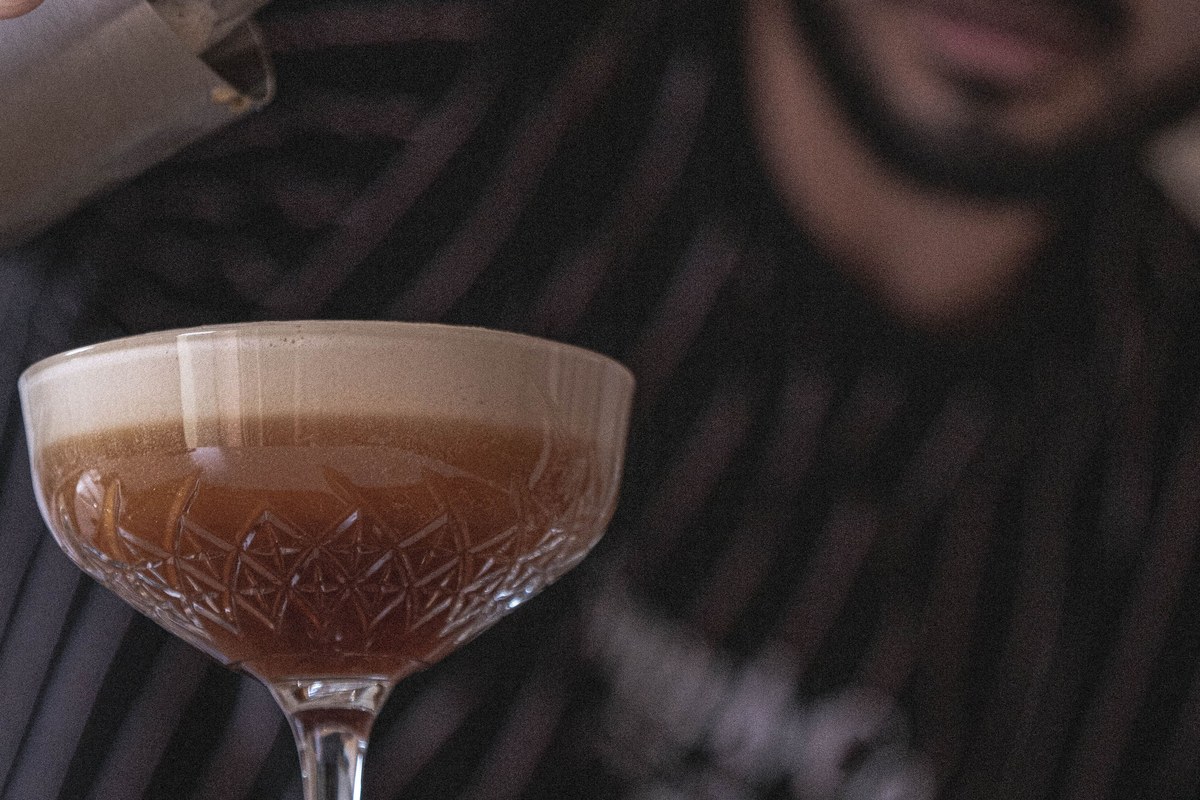
| 2019–now | Coffee cocktails, again | Still going |
| 2021–2025 | Agave beyond the Margarita | Standard |
| 2022–2026 | Clarified everything | On life support |
| 2022–2025 | Force carbonation | An essential batching technique |
| 2023–now | Savoury cocktails | The hottest trend today |
| 2023–now | Spritzes | Still rolling |
| 2024–now | Serious non-alcoholic drinks | Growing |
| 2024–now | Maximalism | May be peaking |
The science years
The most interesting stretch is the middle one, when bartenders, in Manning's phrase, swapped their suspenders for lab coats. In 2007, Don Lee at the East Village bar PDT infused bourbon with bacon fat from David Chang and mixed it with maple syrup. The Benton's Old Fashioned blew minds and sent bartenders across the country off to fat-wash everything from duck fat to butter.
Then came the machines. Eben Freeman and Dave Arnold pioneered the use of smoking guns and cream whippers. Arnold's Spinzall centrifuge, released in 2017, made clarification fast enough for a busy bar, which is how clarified cocktails took over menus after Covid. VinePair thinks that one is nearly over: "it sure feels like it's on life support."
The drink-less years
Covid changed the direction. People who overdid it in lockdown came out wanting to drink less, Manning argues, and the spritz was the perfect answer: low in alcohol, Italian, social and very photogenic on TikTok. By 2024, bars had to take non-alcoholic drinks seriously, too, moving beyond what he calls "forgettable slapdash concoctions of fruit juice overwhelmed by sugar" to drinks with real complexity.
At the same time, palates shifted towards the salty and savoury. Around 2023, drinkers began to embrace vegetal, umami flavours; now fish sauce, tomato, habanero and parmesan are all fair game behind the bar.
Maximalism, and the punk question
Which brings the timeline to now. Every technique of the past 25 years has, in Manning's view, coalesced into a maximalist style of theatrical presentation, esoteric ingredients and decadent builds. It is the cocktail world's prog-rock moment, he writes: 15-minute songs with wild time changes, about to be swept away by punk. He suspects bartenders may soon reject the excess and go back to Milk & Honey basics, "although there are signs that the time may be now."
Our take
The timeline is a reminder of how much of what feels new is circular. The Espresso Martini was a 1990s hit before it was a 2019 one. Savoury drinks are the Bloody Mary and the Dirty Martini with better ingredients. And the end point Manning predicts, a return to simple, perfectly made classics, is exactly where the century started.
That is not a criticism. The best trends leave a technique behind when the fashion fades. Fat-washing, acid-adjusting and force carbonation are now just tools. The clothespins, thankfully, are not.
Our prediction for the next 25 years: the bars that last will be the ones that remember what Petraske understood in 1999. A great drink is mostly a cold glass, good ice and someone who cares.
Sources: VinePair; Imbibe, on Milk & Honey and the contemporary cocktail revival; Difford's Guide