How a civil servant secretly held five jobs at once
In May 2023, a British civil servant was contracted to work 183 hours a week. There are 168 hours in a week.
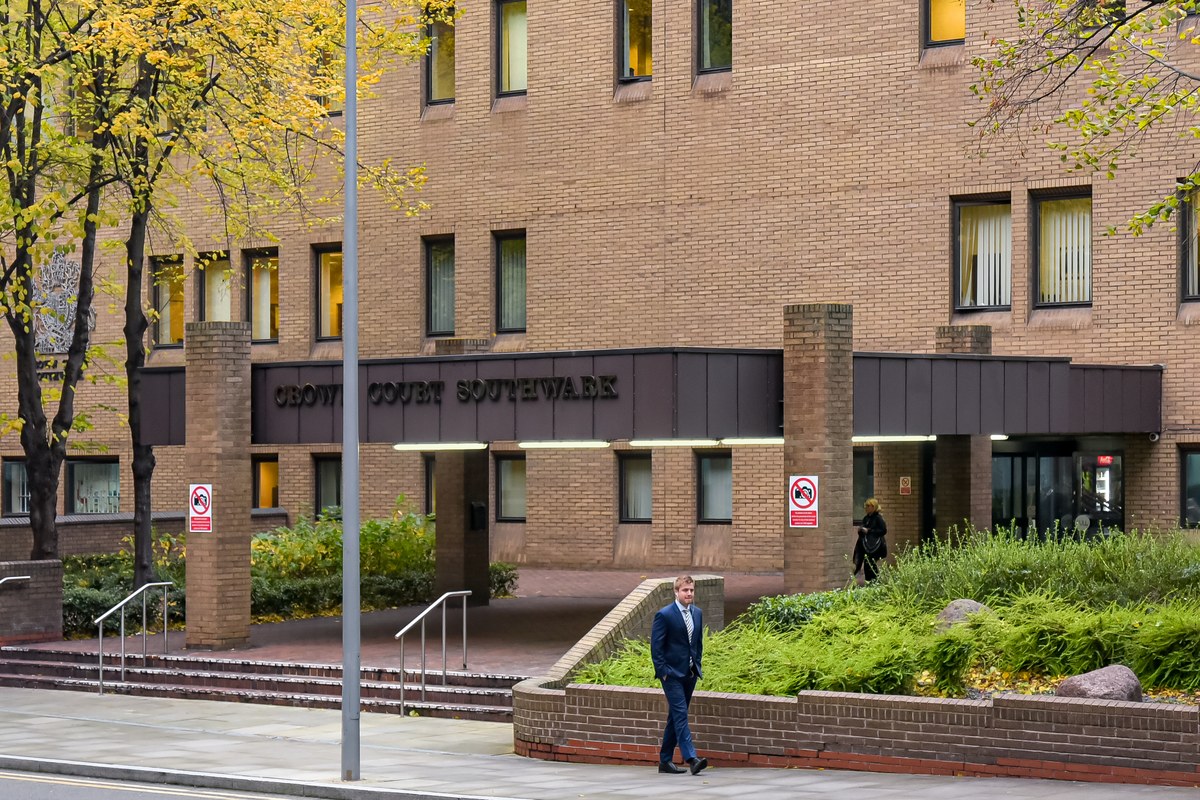
His name is Kashim Chowdhury. He is 56, he worked from his mother's house in east London, and on Monday a jury at Southwark Crown Court found him guilty of nine counts of fraud. The judge told him he faces a "very substantial custodial sentence". The Crown Prosecution Service, which brought the case, called it sustained and deliberate dishonesty. Here is how it worked, and why nobody noticed.
Five desks, one laptop
That month he was being paid to work full-time for five government bodies at once: the UK Health Security Agency, the Department for Environment, Food and Rural Affairs, the Department for Business and Trade, the Food Standards Agency and, newly, the Home Office. Between 2020 and 2023 he held eight overlapping full-time public-sector jobs and was paid about £350,000. More than £284,000 of that, the prosecution said, was obtained fraudulently.
He was a relatively junior official. He did not need to be good at any of the jobs. He needed to be absent from all of them in a way that looked plausible.
The make-up
The moment that nearly caught him came in May 2023. He had been on sick leave from the UK Health Security Agency for almost three months, and his line manager, Aleesha Adams, set up a video call to plan his return. He coughed and waved tissues at the camera. What she noticed, she told the jury, was how pale he looked, and that white powder seemed to be coming away from his forehead where he was sweating, leaving darker skin underneath. She believed he was wearing white make-up to look ill. He denied it.
Then she spotted that he had joined the call from a Defra email address. He called it a technical error. She did not believe him and passed her concerns up the line. Nothing came of it. He kept going until he left the Civil Service in September 2023.
The sick notes
His cover was a carefully layered set of excuses. He told employers he had to work from home to care for his mother, who had dementia and terminal cancer. Rather than cut back, he took on more jobs. He covered the impossible schedule with sick notes from his GP. In April 2023 he was off with "mixed anxiety and depressive disorder" from Defra, the Health Security Agency, the business department and the Food Standards Agency at the same time, and while he was off sick from four employers he started work at a fifth, the Home Office, without telling it he was ill or employed elsewhere.
His managers told the court he was not much good. Dan McCartney, who managed him at Defra, said he had to "effectively tell him what to do the whole time", and that Chowdhury kept his camera off for four months, blaming technical problems. Because Defra had no formal performance measures for him, he was made permanent anyway and stayed two years.
He was finally caught in 2024 by the National Fraud Initiative, which trawls Civil Service payroll and other databases every two years for anomalies. In September 2023 he had more than £40,000 in the bank and £45,000 in premium bonds.
His defence
Chowdhury, who was diagnosed with PTSD in 2015, said he took the jobs because he feared losing his livelihood after being forced out of a post at the Department for Education in 2013, and that he had not been thinking clearly because of "stress, distress and trauma". The prosecution called it deliberate dishonesty. The jury took seven hours.
Our take
The scandal is not one man. It is that a system employing more than 550,000 people could not see that the same person was on five payrolls at once. Departments hire independently, and Chowdhury simply did not declare on his application forms that he was already a civil servant. "Government departments are taking hiring decisions independently of each other and without systems that join up," Hannah Keenan of the Institute for Government told the BBC.
Remote work has made the trick easier. The National Fraud Initiative found 23 cases of what it calls "polygamous working" in London alone in its latest report, worth £500,000 of overpaid salaries in a few months. Defra says it will use "all available avenues" to recover the money. The cheaper fix is a single database and one question at every interview: do you already work here?
Sources: Crown Prosecution Service; BBC News; Civil Service World