Bournemouth built a banking hub by the beach. AI is testing it
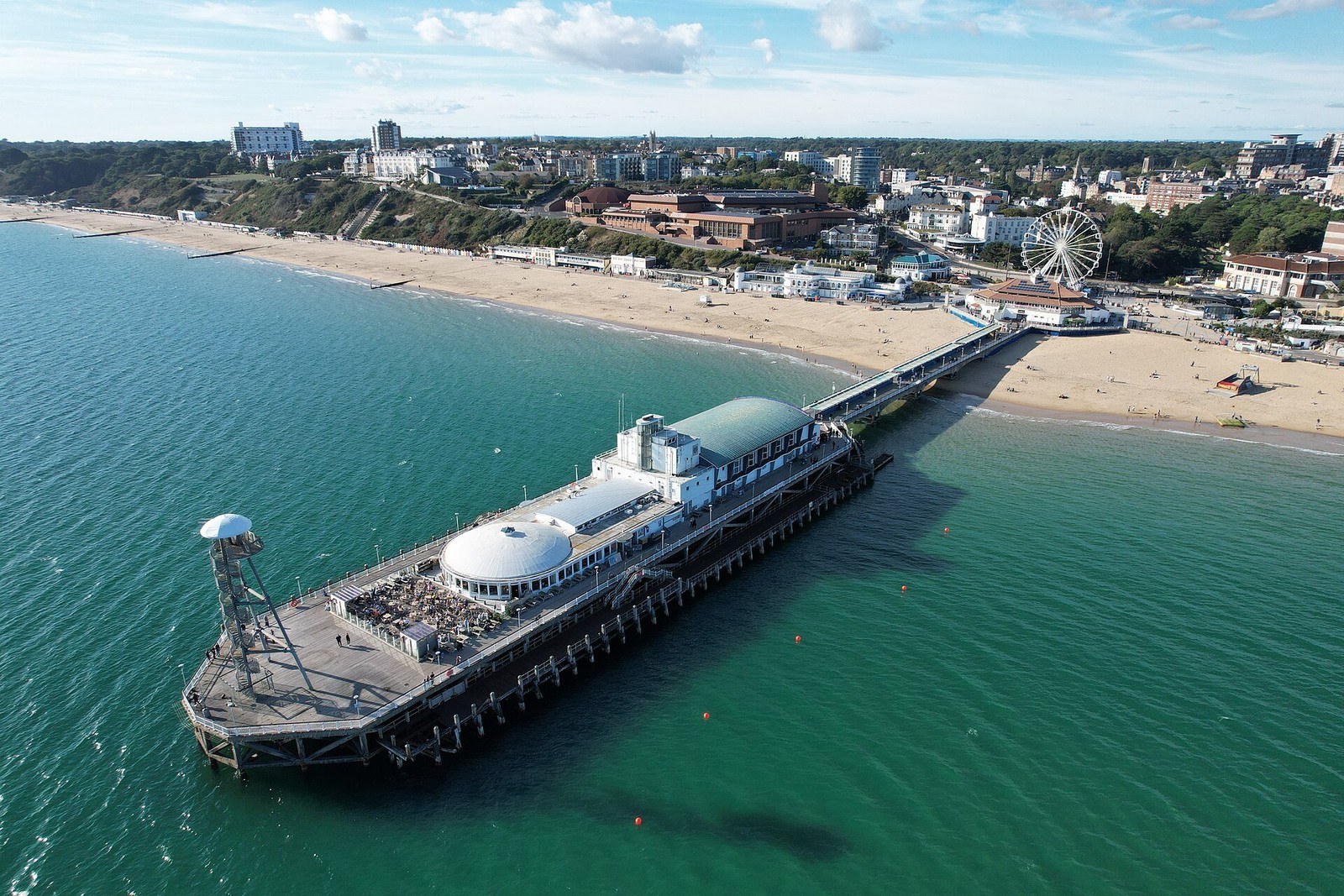
Bournemouth is better known for its beaches than its banks, yet a campus on a former farm on the edge of town handles more than $1 trillion of JPMorganChase transactions every day. Now the back-office work that turned this seaside resort into one of Britain's biggest finance hubs outside London is exactly the work banks say AI can do.
How a resort became a finance hub
JPMorganChase, then Chase Manhattan, opened its Bournemouth site in 1986, the year of the "big bang" deregulation of the City of London. The bank says the campus has grown from 650 employees to 5,300, making it Dorset's largest private sector employer and its second largest location in Europe, the Middle East and Africa. The site processes around 350,000 transactions a day, worth over $1 trillion, for clients in 100 markets.
Others followed. According to the Dorset Chamber of Commerce, cited by the Guardian, about 2,500 financial companies, including Nationwide, the insurer LV= and Canaccord Wealth, employ 24,000 people in the county, and the sector accounts for 10% of its business turnover.
Nationally, the picture is similar. TheCityUK, the industry body, counts almost 2.5 million people working in UK financial and related professional services, two-thirds of them outside London, in 2023, and says the sector contributed £281bn, or 12% of the UK's real gross value added, in 2024.
The cuts arriving elsewhere
What worries Dorset is what banks are saying about these kinds of jobs. Barclays' third-quarter results in October described "technology-enabled" reductions in staff to cut costs. Its finance director, Anna Cross, told reporters that meant about 5,000 full-time roles, around 5% of the bank's workforce, with about 60% in support functions "as AI makes our people more productive". In May, Standard Chartered said it would cut more than 7,000 roles as it stepped up its use of AI.
The town has seen technology shrink banking before. Barclays House in Poole, the neighbouring town, closed in 2022 after 46 years. Gareth Sherwood, president of the Dorset Chamber of Commerce, told the Guardian it was the original site through which cheques from across the country passed to be checked, and that it went "with digitisation".
What the people there say
The Guardian's reporting this week captured the mood. A 25-year-old cybersecurity graduate named Amine, who took work at a large insurer in the town hoping it would become a full-time job, said: "Because of AI, they've cut all the entry-level jobs." That is one graduate's experience of one employer, not a measured trend, but it is the fear in its plainest form.
Caren Evans, a national officer at the Unite union, told the paper AI now poses the biggest threat to the UK finance workforce since the 2008 crisis. Unite is drafting an "AI agreement" seeking commitments to retrain staff rather than cut them.
JPMorganChase strikes a different note. Last year it announced a £300m-£350m plan to modernise and expand the Bournemouth campus into what it calls a "world-class centre for financial innovation, payments technology, and artificial intelligence". It told the Guardian: "AI will enable us to do more, and we train our people to make the most of it." The local councillor for the campus ward, Lawrence Williams, said he had heard nothing from the bank about AI-related job cuts.
The numbers, worked through
| Measure | Figure | Source |
|---|---|---|
| JPMorganChase Bournemouth staff | 5,300 | JPMorganChase |
| Daily value processed | Over $1tn | JPMorganChase |
| Dorset finance jobs | 24,000 | Dorset Chamber of Commerce |
| Barclays planned reduction | About 5,000 roles | Barclays |
| Standard Chartered planned cuts | More than 7,000 roles | Standard Chartered |
On those figures, a single employer accounts for more than one in five of Dorset's financial services jobs.
Our take
The risk for places like Bournemouth is not a dramatic closure. It is attrition. Banks rarely sack thousands in one town; they stop replacing people who leave and stop hiring at the bottom. That is why the graduate's line lands. Entry-level roles are where a regional hub renews itself, and they are the easiest to leave empty.
JPMorganChase's investment cuts the other way. A bank does not spend up to £350m on a campus it plans to empty, and the campus will need people who can build and supervise these systems. But those may not be the same people, or as many of them, as the operations jobs that built the site.
The broader point is that the UK's regional finance jobs grew because back-office work was cheaper outside London. If software makes that work cheaper still, the case for a seaside campus rests on the skills of the people in it. Retraining pledges from banks and unions will matter more than headcount promises.
What to watch: the planning progress of JPMorganChase's expansion, Barclays' delivery of its cuts in 2027, and whether Unite's AI agreement gets any bank to sign.
Sources
- JPMorganChase, JPMorganChase announces major investments in its Bournemouth campus and the community, October 8, 2025
- Barclays, Q3 2026 results announcement, October 22, 2026
- TheCityUK, Financial and related professional services remain key contributor to UK economy, May 15, 2025, and key facts 2025
- The Guardian, 'They've cut all entry-level jobs': unlikely seaside town on frontline of AI threat, November 13, 2026
- The Guardian, Barclays to cut 5,000 jobs as bank's bosses hail AI productivity advances, October 22, 2026
- The Guardian, Standard Chartered to cut more than 7,000 jobs as it steps up AI use, May 19, 2026
- Table: The Graze, from the sources above