Board-game sales are booming as Gen Z looks for off-screen fun
Asmodee says board-game sales rose 18.4 per cent last quarter, and a Kantar survey found 74 per cent of Gen Z respondents prefer in-person experiences to digital ones.
By The Graze · November 15, 2026 · 4 min read
Lifestyle
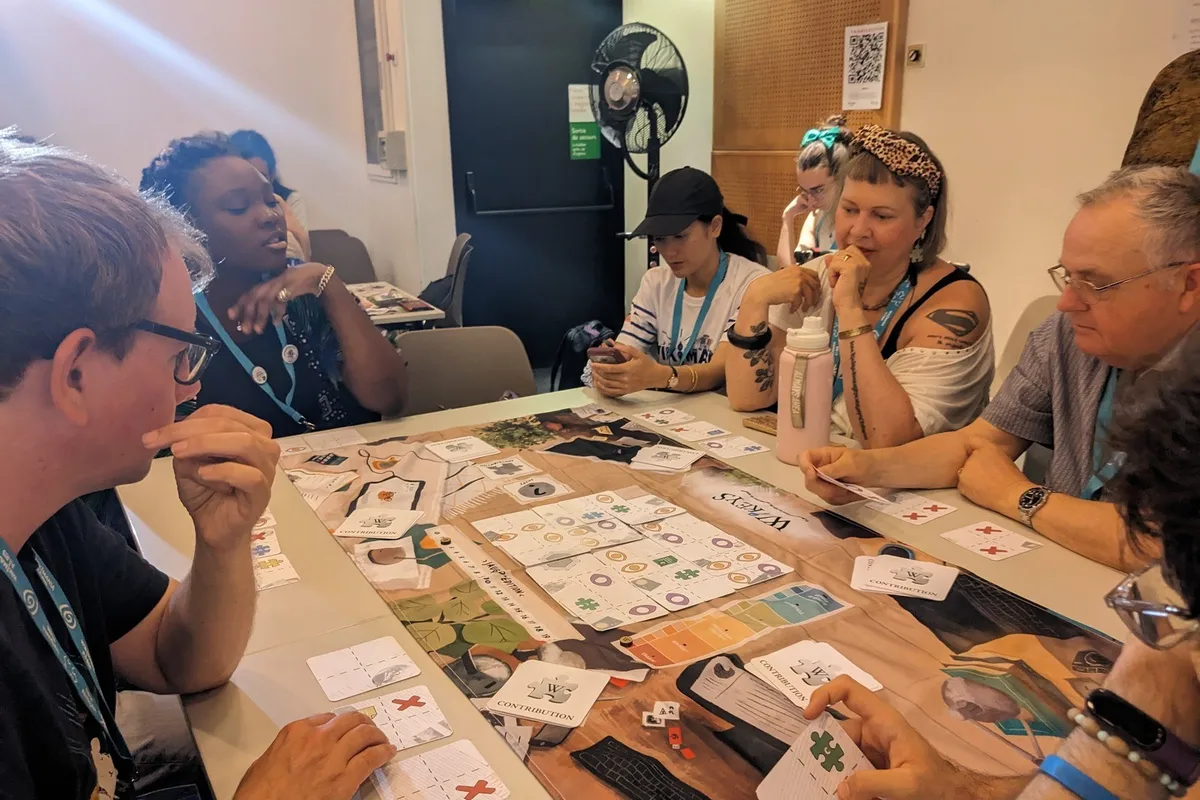
Board-game publishers are heading into the holiday season with rising sales and a simple explanation: younger players, in particular, want something to do together that does not involve a screen. The data, and the trade-fair crowds, back the claim up more than a slogan would.
A generation that will stay in
Thomas Koegler, chief executive of Asmodee, the Swedish-based group behind Catan, Ticket to Ride and Carcassonne, told Reuters, in an interview carried by Channel NewsAsia, that board games are now "at the heart" of social life for 16- to 25-year-olds. An international barometer that Asmodee compiled with Kantar in 2026 found that 74 per cent of Gen Z respondents thought in-person experiences were more important than digital ones. That figure is in the published study, which surveyed 5,000 adults in the United Kingdom, the United States, France, Germany and Sweden in May.
The same study is full of numbers that would have sounded optimistic in a publisher's brochure, and look more interesting coming from Kantar. Fifty-seven per cent of respondents said they would rather spend a Saturday night playing a tabletop game at home than going out. Sixty-five per cent said the games bring families and friends closer together. Sixty-three per cent called them a positive escape from daily stress, and 71 per cent said they had a positive effect on mental wellbeing. At a time when a Meta-Gallup study, cited in the barometer, found that 24 per cent of people worldwide feel lonely, those are not trivial findings.
"What's clear is that our industry benefits from very strong sociological dynamics of spending time with your loved ones," Koegler said. He expects game nights to be a popular Saturday plan over Christmas, when the darker evenings do some of the marketing.
The tills, and the queues
Asmodee's board-game sales rose 18.4 per cent, and its trading-card-game sales 51.6 per cent, in the quarter that ended in September, Koegler said in the same interview. Asmodee also distributes other publishers' card games, including Pokémon, Hasbro's Magic: The Gathering and Bandai Namco's One Piece. Hasbro, too, has been boosted by Magic ahead of the holidays, the interview noted.
The trade calendar is crowded. Koegler pointed to Spiel Essen and Gen Con, and to hobby shops that have become "the nexus of local communities." Spellenspektakel, the Netherlands' largest board-game event, which also hosts the CardCon trading-card gathering, reported 33,000 visitors on 7 and 8 November, with a sold-out first day.
Organised play is doing some of the work that a television advert cannot. "All the events are packed because people really engage," Koegler said of the card-game circuit.
More than a rainy-day cupboard
Researchers have been making a quieter case for the same habit. At the University of Plymouth, Dr Gray Atherton and Dr Liam Cross have shown, in work on games such as Dungeons & Dragons and Dixit, that tabletop play can improve confidence, assertiveness and real-life social engagement, especially among neurodivergent players. With colleagues at Manchester Metropolitan University, and funding from the Game in Lab programme, they are hosting a 2026 workshop to turn that research into a practical toolkit for health and education staff, and to prepare a larger controlled study.
Koegler's own reading of the Kantar work is less academic and no less direct. "What strikes me most in this research is not that people love games. We knew that. It's that games are filling a gap that nothing else seems to fill right now: the need to actually be present with someone else."
Our take
Every holiday season produces a story about board games making a comeback. This one has better evidence than most: a large survey, a publisher's quarterly figures, and trade fairs that are turning people away at the door. The Gen Z finding is the one that should interest anyone still sure that the young only live on their phones. A generation that says it prefers being in the room, and then spends a Saturday night with a board, is not a niche.
A caution, still, is in order. Asmodee commissioned the barometer, and Koegler is talking his own book in a peak selling month. The 18.4 and 51.6 per cent figures are his, for his group, not a census of the whole industry. Trading cards, in particular, can boom and slump with a single licence. The more durable signal is the hobby-shop and organised-play circuit, which only works if people keep coming back after the new-box smell has gone.
If Plymouth's next study is as careful as the early work, the industry may also find itself with a serious wellbeing claim, not just a Christmas one.
What to watch: holiday-quarter results from Asmodee and Hasbro, and whether the 2026 barometer is repeated next year with the same questions.
Sources
- Kantar and Asmodee, The Social Power of Board Games: the first Tabletop Game Barometer, 4 June 2026
- Thomas Koegler interview with Reuters, as published by Channel NewsAsia, 13 November 2026
- University of Plymouth, Can board games play a role in neurodivergent treatment and support programmes?
- The Independent, Board-game sales are booming as Gen Z looks for off-screen fun