
AI could push 65% of corporate bond trading onto screens, Barclays says
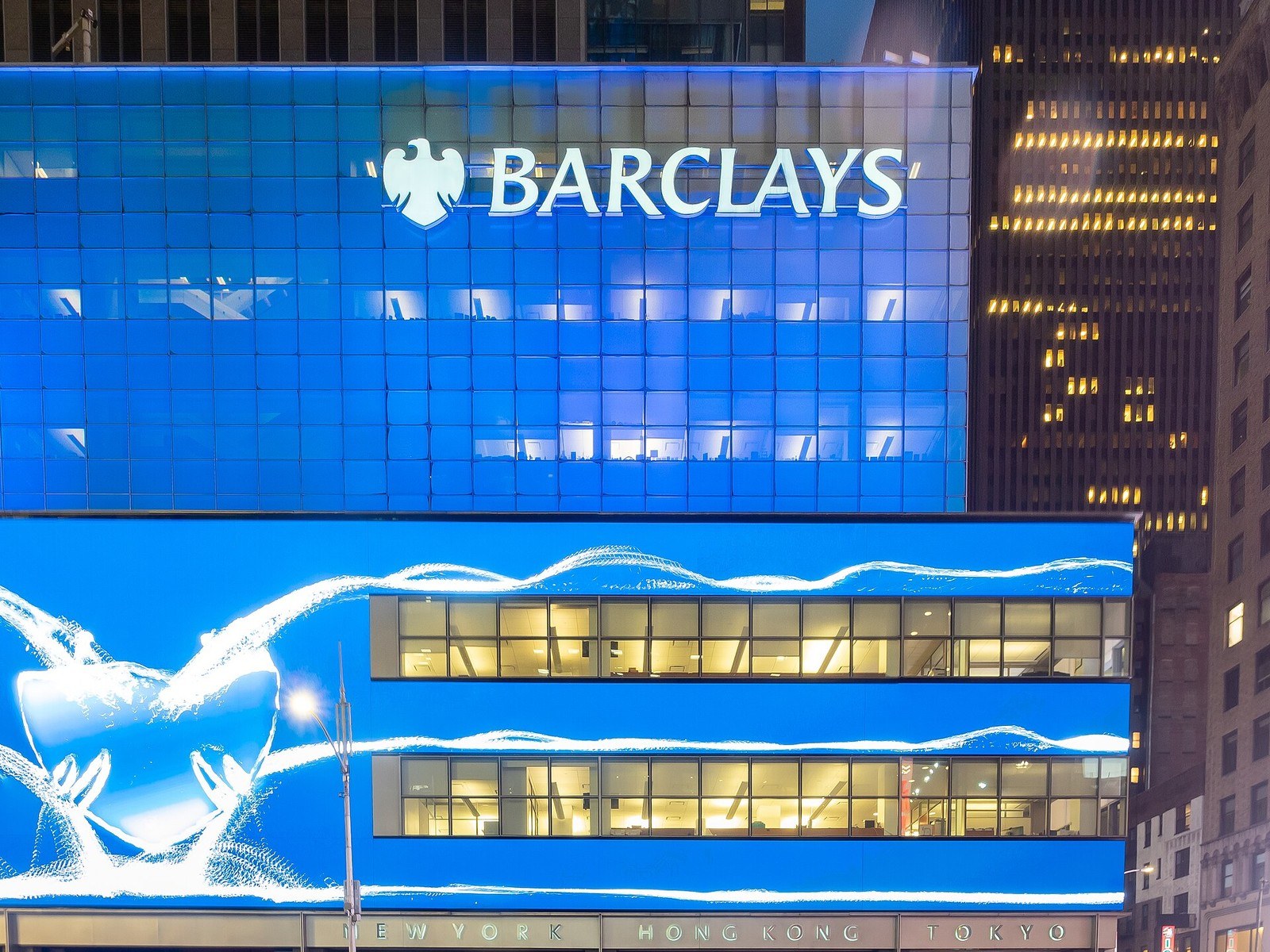
Barclays thinks artificial intelligence will push most of the US corporate bond market onto screens. Its estimate: electronic trading of investment-grade bonds rising to 65% of volume in the coming years. That is not the same as robots doing 65% of the traders' jobs, but it points the same way.
What Barclays actually said
The forecast comes from Zornitsa Todorova, who leads thematic research on fixed income, currencies and commodities at Barclays, and was published by Bloomberg in late October. Barclays estimates that AI could push electronic trading of US investment-grade bonds to 65% of volume in coming years, from 45% now, with electronic trading of high-yield debt doubling to 50%.
"Based on all the conversations that we've had with clients, everybody's preparing for this," Todorova said, referring to AI bots executing more trades. "It's a slow burner, but it's definitely going to happen."
A viral version of the story this week said AI agents could end up "handling" 65% of the market. The underlying estimate is about how much trading happens electronically, which includes algorithms, portfolio trades and humans clicking on a platform. AI is the reason Barclays expects that share to jump.
What AI does on a bond desk today
For now, most of the work is preparation rather than execution. Early users, according to Bloomberg's reporting, are using AI agents to gather information, analyse data and complex bond covenants, digest headlines before a trade, build screening tools and automate internal chores. Humans mostly still check the output, and some compliance departments bar the tools altogether.
The machines are already changing the rhythm of the market. In a September 2025 note, Todorova found that trading between noon and 1 pm had risen from 11.3% to 12.5% of daily US investment-grade volume since 2022, a shift Barclays put down to electronic trading changing old liquidity patterns.
The trading platforms are building AI into the plumbing. Tradeweb, the largest electronic venue for US corporate bonds, told Bloomberg it is getting "a ton of interest" from clients wanting help with pre-trade and post-trade analysis, comparing costs across trading methods and choosing dealers. MarketAxess, its main rival, said in its third-quarter results that it had launched AI-powered dealer selection for US credit clients. LTX added an agentic version of its BondGPT tool in June that can create trade tickets or launch trades for a human trader.
The money moving behind it
The industry is consolidating around the shift. On October 19, Tradeweb agreed to buy Trumid, the No. 3 electronic credit venue, for about $1.97 billion, saying US credit is a "significant long-term growth opportunity" as the market embraces electronic execution. MarketAxess, meanwhile, agreed in July to be acquired by Intercontinental Exchange, and has stopped publishing monthly volume figures while the deal is pending.
Measured another way, the move to screens is already further along. Crisil Coalition Greenwich, which tracks platform data, says a record $31 billion of US corporate bonds traded electronically per day on average in September, and that 54% of investment-grade notional volume traded electronically, also a record. The gap with Barclays' 45% reflects different definitions and baselines; both point in the same direction.
The numbers, worked through
| Electronic share of $62bn a day | Traded on screens each day | Traded by phone or chat |
|---|---|---|
| 45% (Barclays, today) | About $27.9bn | About $34.1bn |
| 54% (Coalition Greenwich, September) | About $33.5bn | About $28.5bn |
| 65% (Barclays, future) | About $40.3bn | About $21.7bn |
These apply each share to the same $62 billion daily figure for illustration. Actual volume moves with the market, and the two research firms measure the electronic share differently.
On those assumptions, Barclays' forecast moves roughly another $12 billion a day of trading from voice to electronic channels.
Our take
Corporate bonds were the last big market where a phone call still mattered. A single company can have dozens of separate bonds outstanding, most of which trade rarely, so for decades the job was knowing who owned what and who might sell. That knowledge is exactly what pattern-hungry AI systems are good at extracting from years of trade data, chat logs and dealer quotes.
The first casualty is not the senior trader making big calls in a crisis. It is the work around them: matching small trades, building lists for portfolio trades, chasing quotes. Desks are already hiring junior traders who can run these tools and adding quants to build them.
Barclays' own warning is the part worth remembering. If many AI models react to the same signals at the same moment, they could all try to cut exposure to one issuer together, producing what Barclays calls "episodic volatility". Bond algorithms have stumbled in stressed markets before. Humans keep the override for now, and with CCC-rated bond spreads above 1,000 basis points since late September, they may need it.
What to watch: whether Tradeweb's Trumid deal closes in the first half of 2027 as planned, and whether the next selloff produces the synchronised selling Barclays describes.
Sources
- Tradeweb, Tradeweb to acquire Trumid, news release, October 19, 2026
- MarketAxess, MarketAxess reports third quarter 2026 financial results, October 23, 2026
- Kevin McPartland, Crisil Coalition Greenwich, Investment-grade e-trading hits new record as month-end importance grows, October 19, 2026 (executive summary)
- Bloomberg, republished by ThePrint, AI agents may take credit-trading work from humans over time, October 26, 2026
- Etienne Mercuriali, The DESK, Technology upends traditional credit trading liquidity patterns, Barclays says, September 17, 2025
- Table: The Graze, from the figures above