Wall Street's top bankers line up record bonuses, up to 30% higher
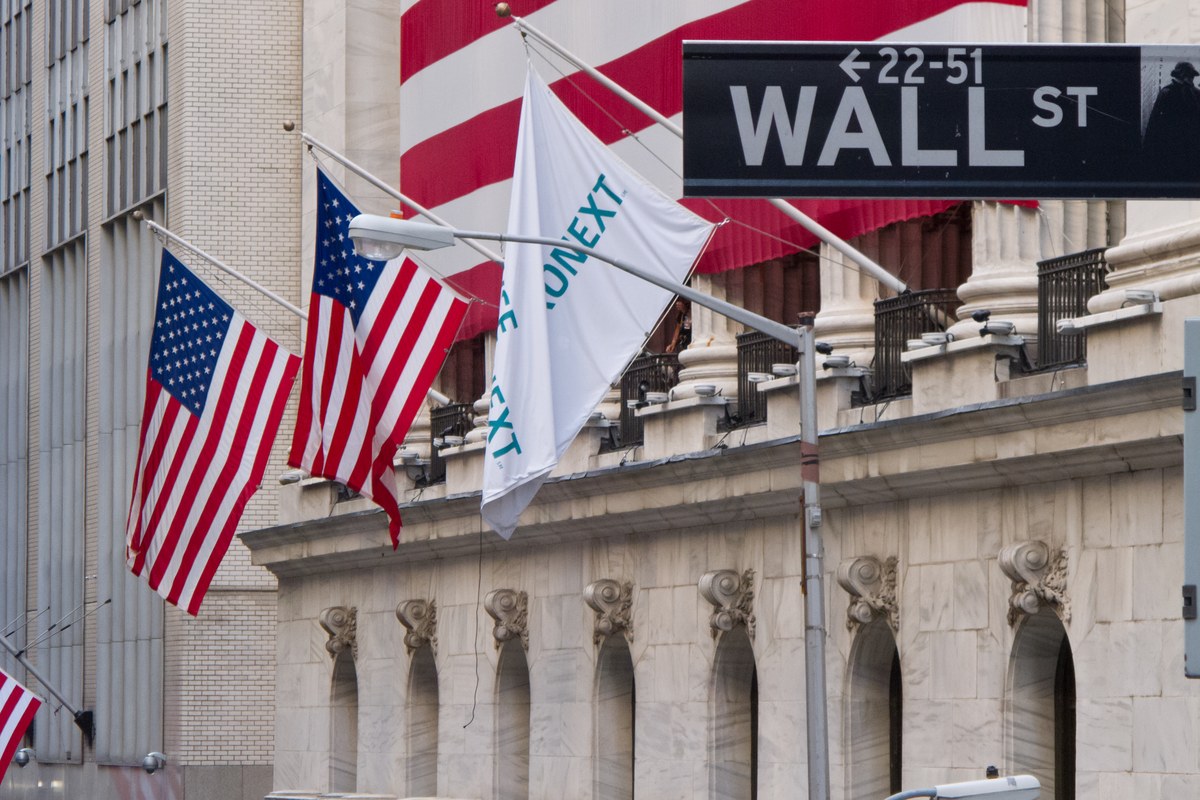
Wall Street is about to have its best payday on record, and the people who will collect the most are the ones selling shares in a market that has gone briefly mad for IPOs.
That is the forecast from Johnson Associates, the New York pay consultancy whose year-end projections are read on every trading floor in town. Its latest report, released on Tuesday, expects bonuses for equity sales and trading staff and for the bankers who underwrite stock offerings to rise by 20% to 30%, and possibly more, on last year. Across the 15 big American and foreign banks it tracks, bonus pools are expected to grow by about 15% on average.
It is a forecast, not a payout. Bonuses are set in December and January, and the firm builds its numbers from public filings and conversations with clients. But Johnson has been publishing these projections for a quarter of a century, and the industry treats them as required reading.
Who gets what
The ranking says a lot about where the money was made this year:
- Equity sales, trading and underwriting: up 20% to 30%
- M&A advisers: up 15% to 20%
- Senior bank management: up 10% to 20%
- Equity asset managers: up 10% to 15%
- Fixed-income sales and traders: up 7.5% to 12.5%
- Private equity: flat to up 7.5%
- Private credit: flat to down 7.5%
Alan Johnson, the firm's managing director, has called 2026 "the year of the bank", citing record results in equity trading and underwriting. He told the New York Post the industry was "very healthy, maybe euphoric." Reuters, citing LSEG data, put global investment-banking fees at $99.4bn for the first nine months of the year, up 9% and the highest since the 2021 boom.
The bottom of the table is just as telling. Private credit, the industry's favourite growth story for three years, is the one corner where pay may fall. Johnson told Axios the sector grew too fast, took in too much money and made some questionable loans. "I don't think the hangover is over yet," he said.
A record on top of a record
New York already set the bar high. The state comptroller, Thomas DiNapoli, estimated in March that the city's securities industry paid a record $49.2bn in bonuses for 2025, up 9%, with an average bonus of $246,900. He has said this year's pool should go higher still: Wall Street's profits passed $45bn in the first six months, which is what City Hall's May budget had pencilled in for the whole year, and DiNapoli has said they could top $90bn if the pace holds.
That matters beyond Manhattan's restaurants and car dealers. Bonus season is a big source of income-tax revenue for both the state and the city, so a fat one helps a budget that was planned for a bust.
Fewer people, bigger cheques
The other story is who is not getting paid. Johnson's view is blunt: "Critical or excellent people are worth more, and you don't need as many of them. But average people are worth less and replaceable."
Goldman Sachs is the example everyone points to. Its pay bill rose 17% to $16.6bn in the first nine months of the year while its headcount fell by 2%. Last week it named 109 new partners, its biggest class since 2010, including a record 13 engineers. Johnson told the Post that artificial intelligence is already thinning the ranks of analysts, associates and vice-presidents, the junior bankers who once built pitch books by hand. The firms are paying the stars to stay, and paying fewer people to do everything else.
Private equity used to be the main poacher. Now, Johnson says, the pull of the AI companies has joined it.
Our take
Enjoy it, because the report itself says this is probably the top. Johnson expects 2026 to mark a peak against a weaker 2027, pointing to geopolitical risk, rising inflation, higher rates and the possibility of an AI bubble. His line to the Post is the most useful sentence in the whole report: "You rarely see everything being good at the same time."
The deeper shift is the spread. When a bank's pay pool rises 15% but the analyst class shrinks, the average bonus flatters the typical banker. The number to watch in January is not the size of the pool. It is how many people are left to share it.
Sources: Johnson Associates' year-end bonus projections, as reported by Axios; Axios; New York Post