The 20 Best Business Biographies Every Man Should Read
Vanderbilt, Carnegie, Rockefeller, Morgan, Buffett, Jobs and fourteen more: the twenty business biographies and memoirs that teach more about money, nerve and character than any management book.
By Beau Brummell · October 31, 2026 · 11 min read
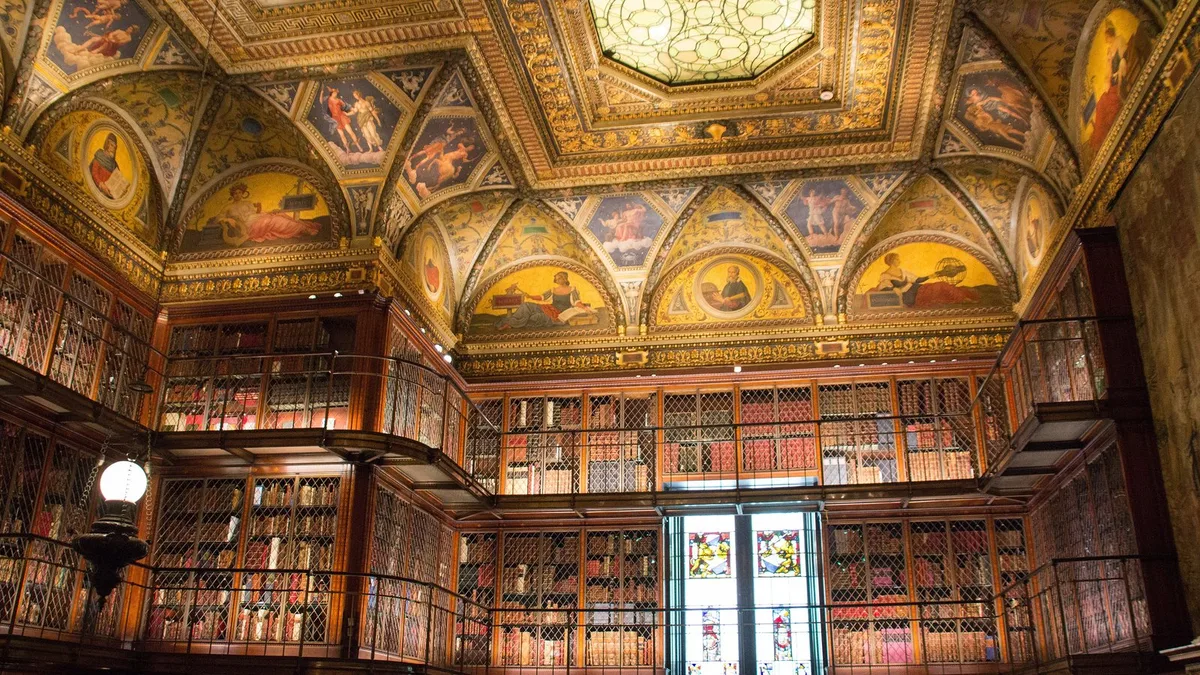
Photo: Mike Peel (www.mikepeel.net) / Wikimedia Commons, CC BY-SA 4.0
Most business books are written to be sold at airports. They promise seven habits, five dysfunctions or one simple framework, and they are forgotten by the time the plane lands. The good business biography is a different animal. It is a long, honest account of one person who built something enormous, including the parts the subject would rather you skipped, and it teaches more about money, nerve and character than any management text yet printed.
What follows are the twenty worth reading, from a Staten Island ferryman to the most argued-over industrialist alive. Several are memoirs and one is closer to a confession, but all twenty pass the only test that matters: you finish them knowing something true about how fortunes are made, kept and lost.
How to read a business biography
Read them in order of the life, not of fame. The nineteenth-century titans built railways, steel and oil on almost no rules at all, and every later chapter of American business, from antitrust law to the modern foundation, is a reaction to what they did. Read Vanderbilt, Carnegie and Rockefeller first and the rest of the shelf makes sense.
Read for the failures. Every subject on this list came close to ruin at least once, and the best biographers linger there, because the near-misses are where the judgement was formed. And read with a pencil. These are books to argue with, and the margins are where the argument happens.
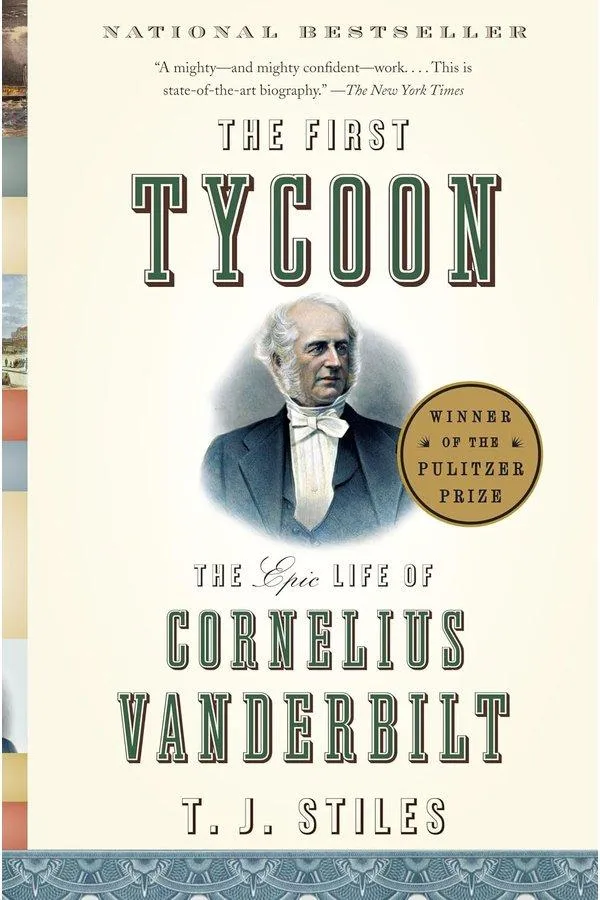
Vanderbilt started with a single sailing boat ferrying passengers across New York harbour as a teenager and died the richest man in America, having dominated first steamships and then railways. Stiles won both the Pulitzer Prize and the National Book Award for this book, and it deserves both: it is the story of the moment the corporation itself was invented, told through a coarse, brilliant, ruthless man who could barely write a letter and outmanoeuvred everyone who could.
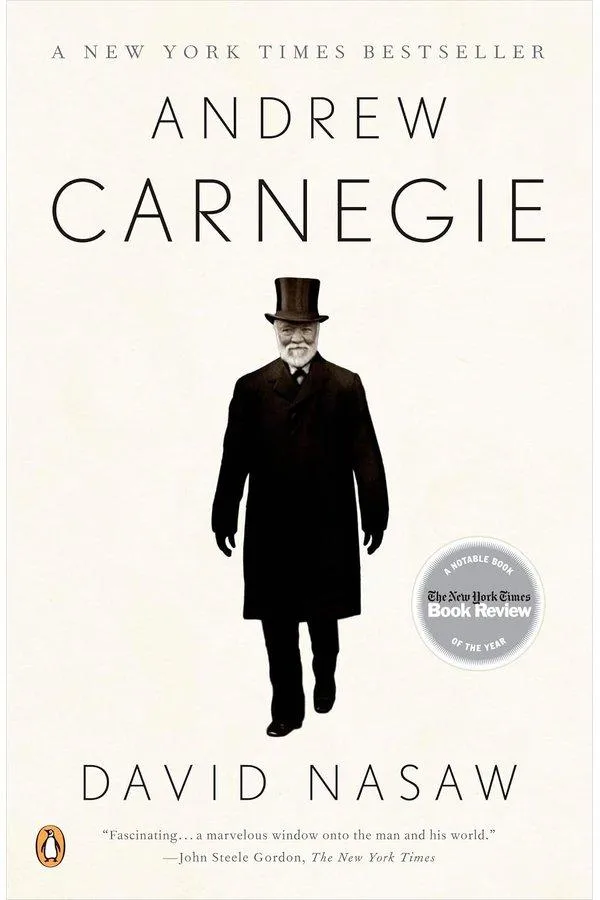
A bobbin boy from Dunfermline who became a telegraph messenger, then a railway man, then the greatest steelmaker in the world, then the most systematic philanthropist of his age. Nasaw is fair to the libraries and the concert hall and unsparing about Homestead, the strike of 1892 that ended in gunfire while Carnegie was at his castle in Scotland. The contradiction is the book, and it is the best study yet written of a man trying to buy back his conscience.
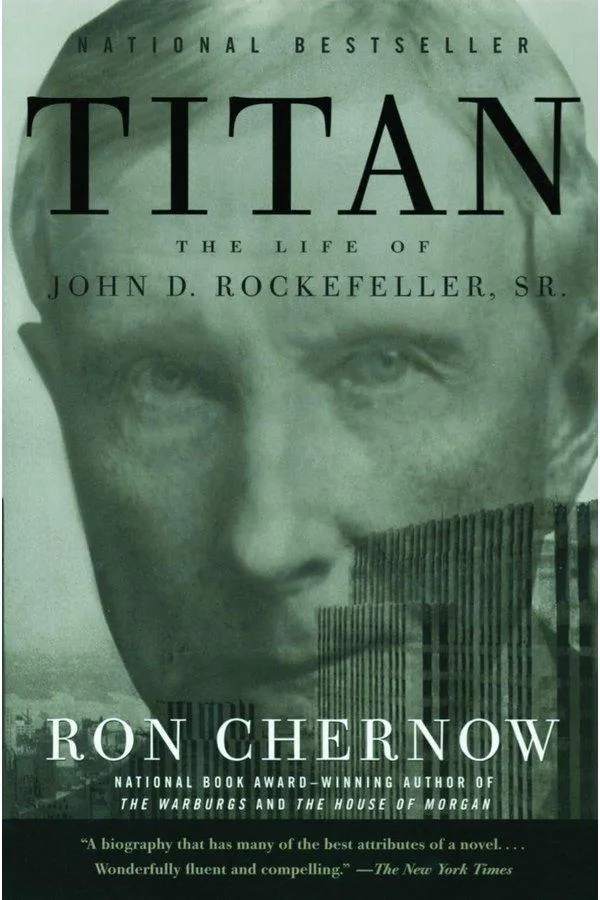
The founder of Standard Oil kept a ledger of every cent from the age of sixteen and gave a portion to his church from his first wages. Chernow had access to papers no earlier biographer saw, and the result is the definitive portrait of the man who invented modern monopoly and then, through the Rockefeller Foundation and what is now Rockefeller University, modern philanthropy. Cool, pious, patient and terrifying, he is the most instructive figure on this list.
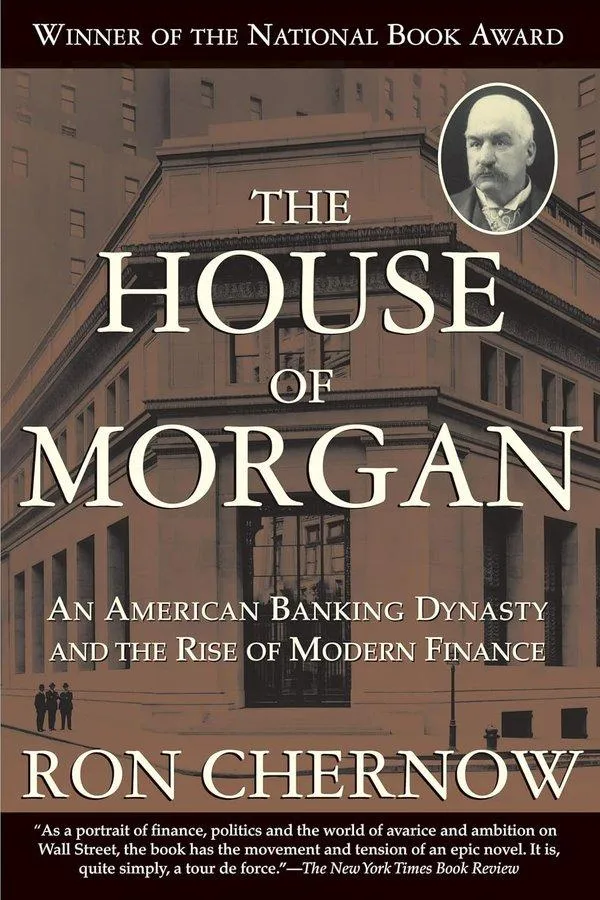
Not one life but four generations of the bank that, for a century, functioned as America's central bank before it had one. Pierpont Morgan is the centre of gravity: the man who saved the Treasury in 1895 and, in 1907, locked the city's bankers in his library until they agreed to stop a panic. Chernow won the National Book Award for it, and it remains the single best book on how high finance and political power actually meet.
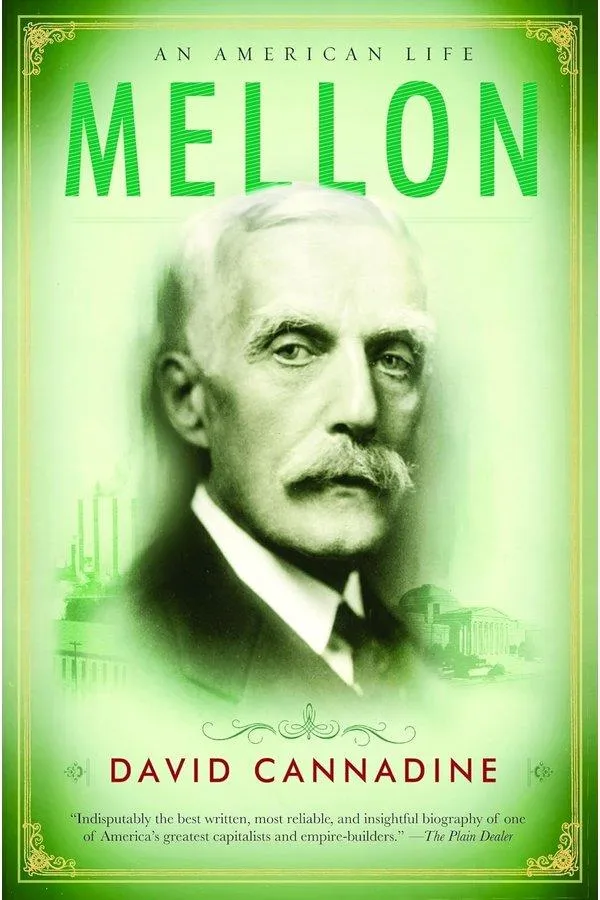
The son of a Pittsburgh judge and banker, Andrew Mellon financed Alcoa and Gulf Oil, became one of the richest men in America and then served as Secretary of the Treasury under Harding, Coolidge and Hoover. He spent his last years defending his tax returns while giving the nation the collection and the building that became the National Gallery of Art. Cannadine, a British historian working from the family papers, is admiring but never fawning, and the result is the best portrait of the quiet money of the Gilded Age.
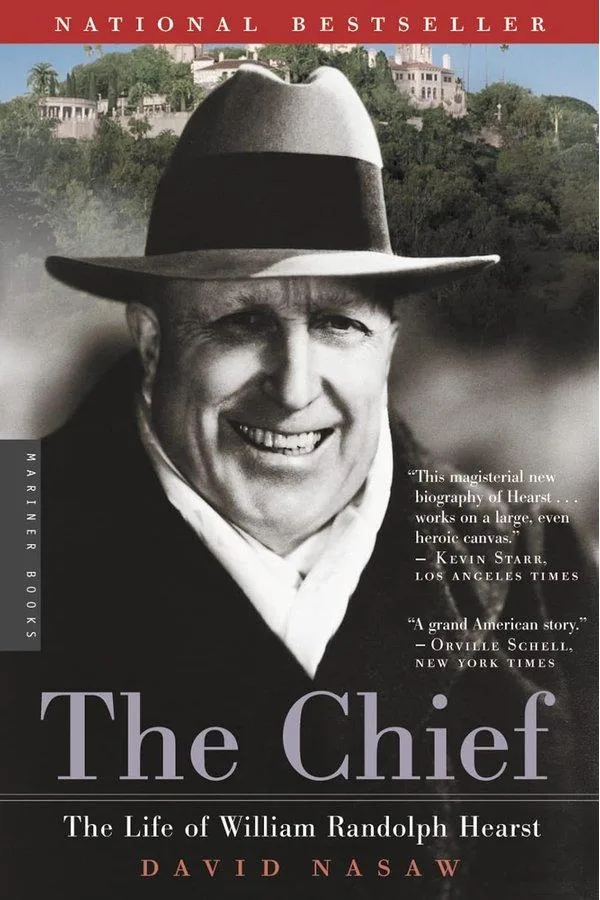
Given the San Francisco Examiner by his father, Hearst built the largest newspaper empire in America, sought the presidency, filled a castle at San Simeon with European art and antiques and was the model for Citizen Kane. Nasaw, working from papers no earlier biographer saw, won the Bancroft Prize for it. It is the book on what media power does to the man who holds it, and on how close the Depression came to taking all of it away.
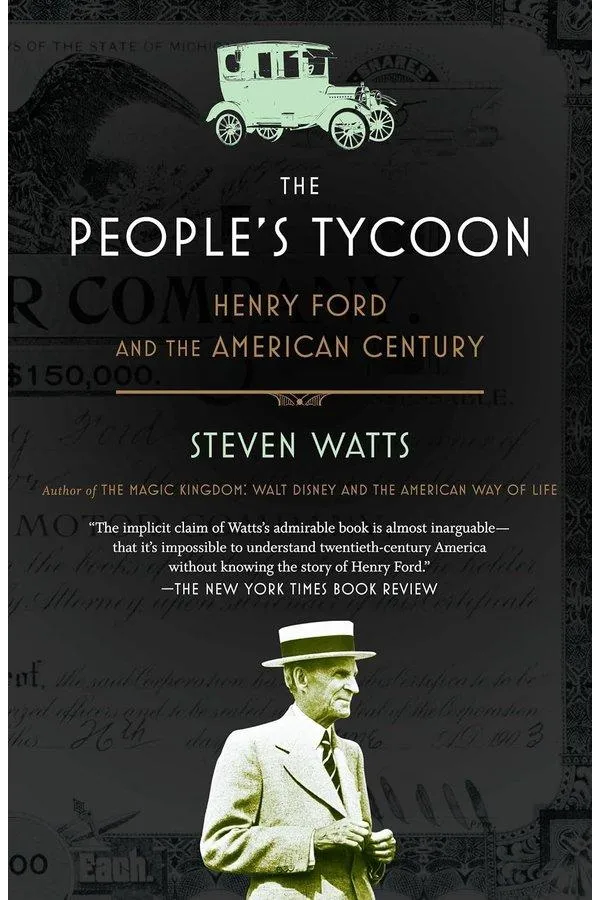
The Model T, the moving assembly line and the five-dollar day made Ford the most admired man in America, and the antisemitism of his Dearborn Independent made him one of the most disgraced. Watts holds both in view. It is the clearest account of how one stubborn farm boy from Michigan put a country on wheels, and of what happens when a genius for production is mistaken for wisdom about everything else.
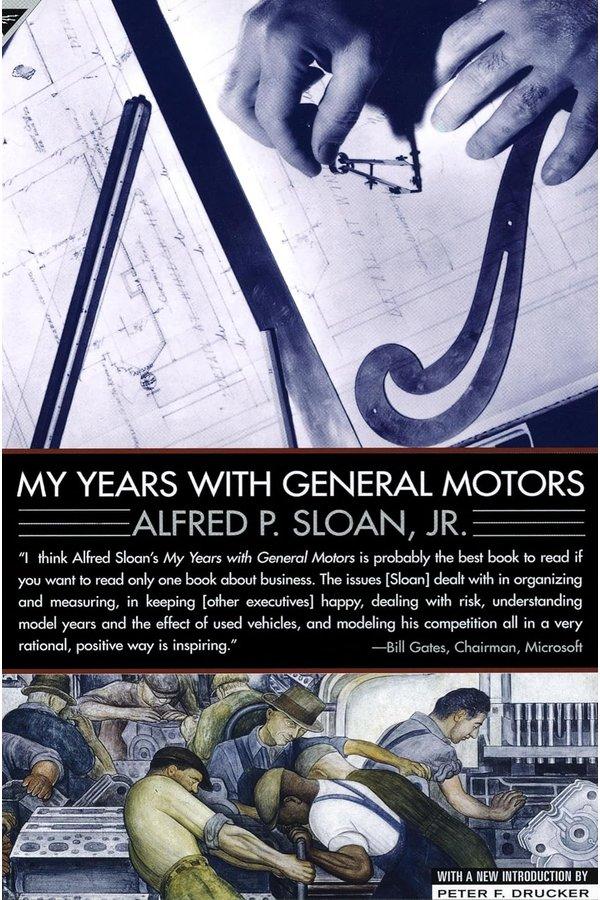
A memoir, and the driest book on this list, which is part of its value. Sloan ran General Motors for more than three decades and turned a sprawl of car companies into the model of the modern corporation: separate divisions, central finance and a car for every purse and purpose. There is no drama and no confession, only a very clear mind explaining how a large business is actually run. Every management book written since owes it something.
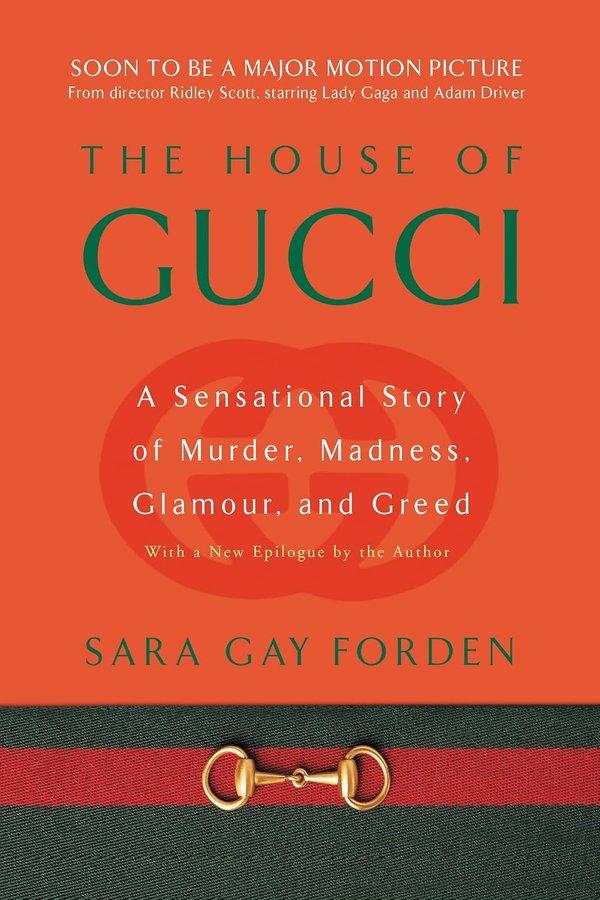
Guccio Gucci opened a leather shop in Florence after working at the Savoy in London, and his sons and grandsons turned it into the most famous name in Italian luxury, then spent decades suing one another. The story ends with Maurizio Gucci shot dead outside his Milan office in 1995 on the orders of his former wife. Forden covered the house as a fashion journalist in Milan, and she is as good on the business, from the family feuds to Tom Ford's revival, as she is on the murder.
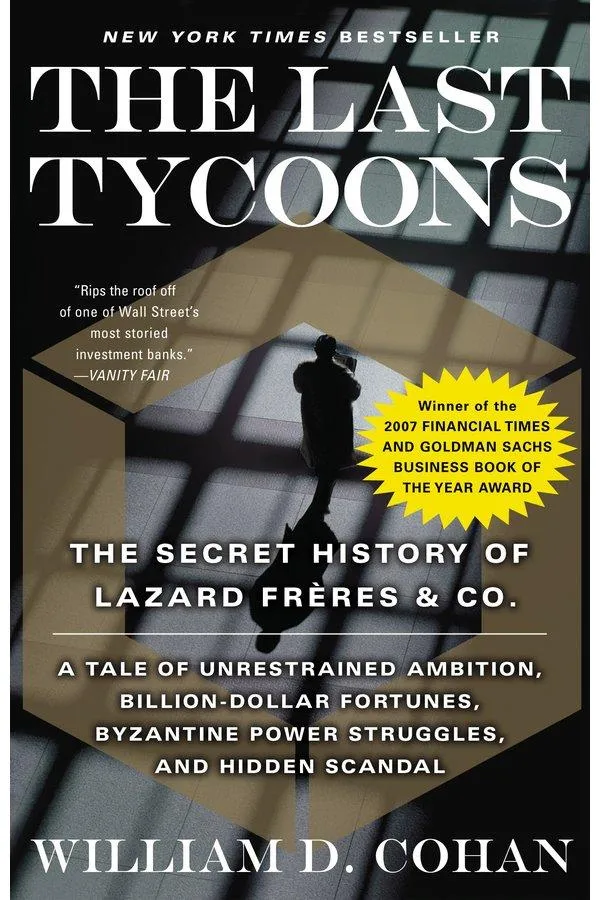
Cohan was a banker at Lazard before he was a writer, and it shows. This is the story of the most secretive and most snobbish firm on Wall Street, from André Meyer, who advised the Kennedys and the Agnellis, to Felix Rohatyn, who helped save New York from bankruptcy in 1975, to the long, bitter end of the David-Weill dynasty. It won the Financial Times business book of the year, and it is the best account in print of what advising the rich actually involves.
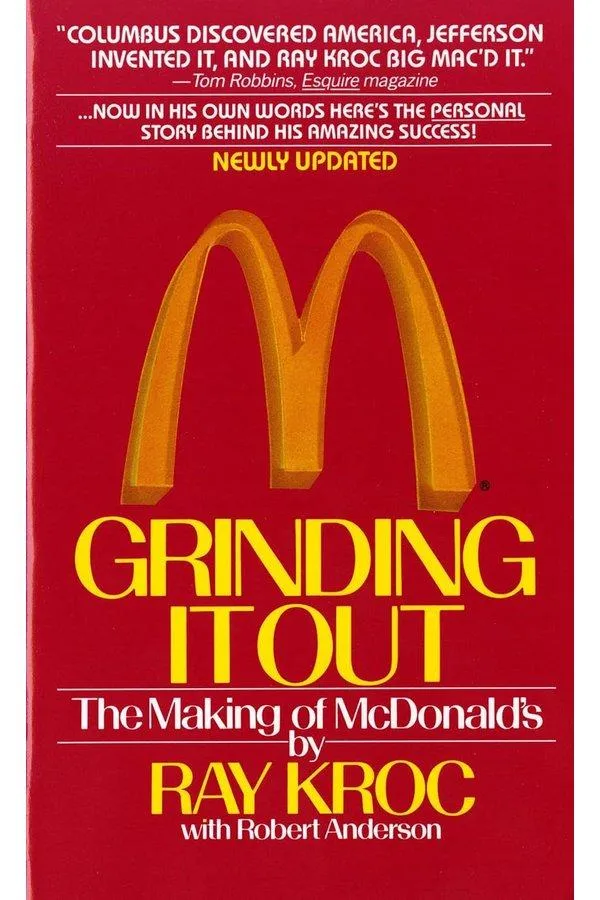
A memoir. Kroc was fifty-two and selling milkshake mixers when he walked into the McDonald brothers' hamburger stand in San Bernardino in 1954 and saw the future. He bought them out in 1961. The book is a salesman's book, blunt, boastful and full of rules about cleanliness, consistency and the right way to cook a french fry, and it is the most persuasive argument ever made that the system matters more than the product.
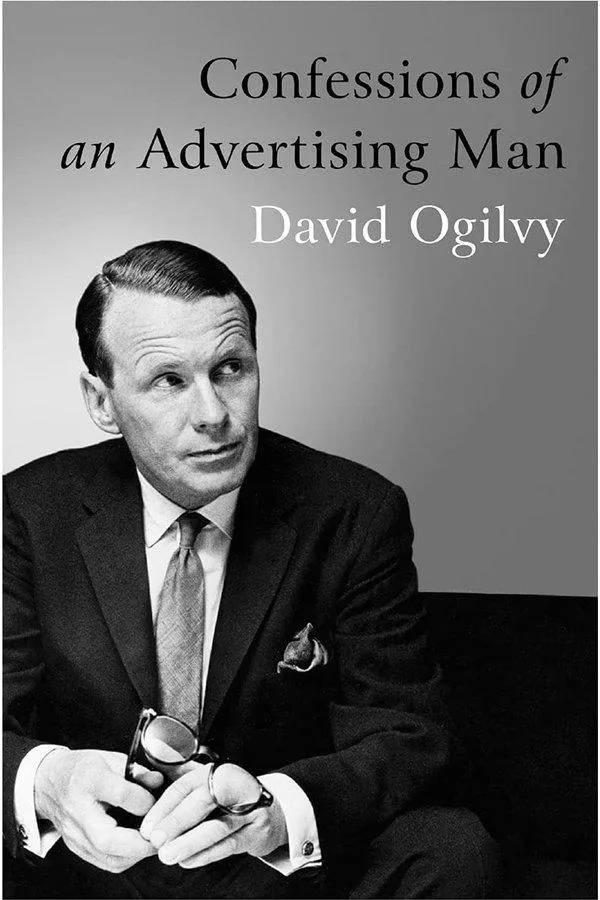
A memoir, and a short one. Ogilvy was a cook in Paris, a door-to-door salesman of Aga cookers, a researcher for George Gallup, a wartime intelligence officer and a farmer among the Amish before he founded his agency in New York at thirty-eight. He wrote the headline about the loudest noise in a Rolls-Royce being the electric clock, and put an eye patch on the Hathaway shirt man. On clients, on hiring and on writing plainly, it is the most useful business book of the twentieth century, and the funniest.
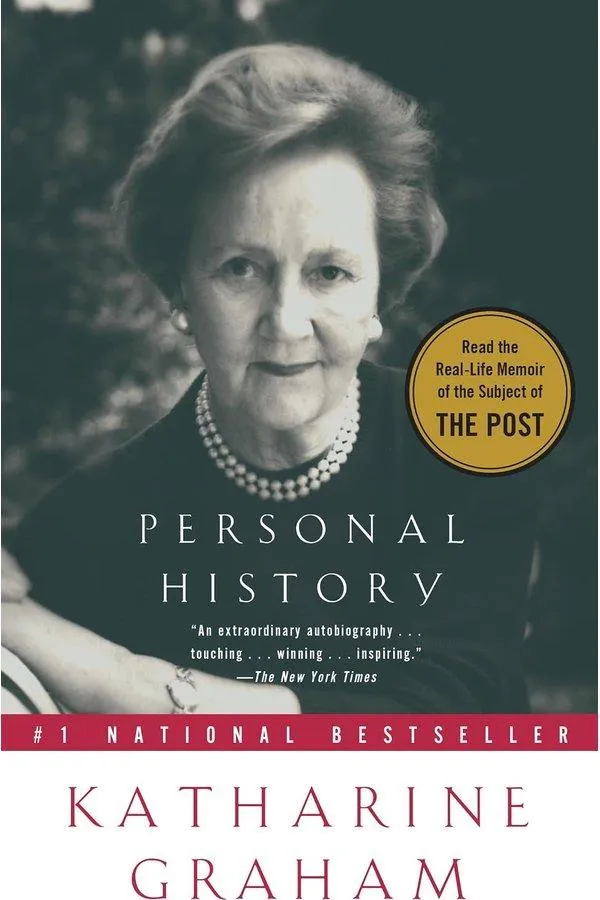
A memoir, and a Pulitzer Prize winner. Graham took over the Washington Post after her husband's suicide in 1963, a shy woman with no experience of running anything, and went on to publish the Pentagon Papers and back the Watergate reporting against the full weight of the White House. It is the finest account in print of learning to run a company in public, and of the nerve it takes to bet the business on a principle.
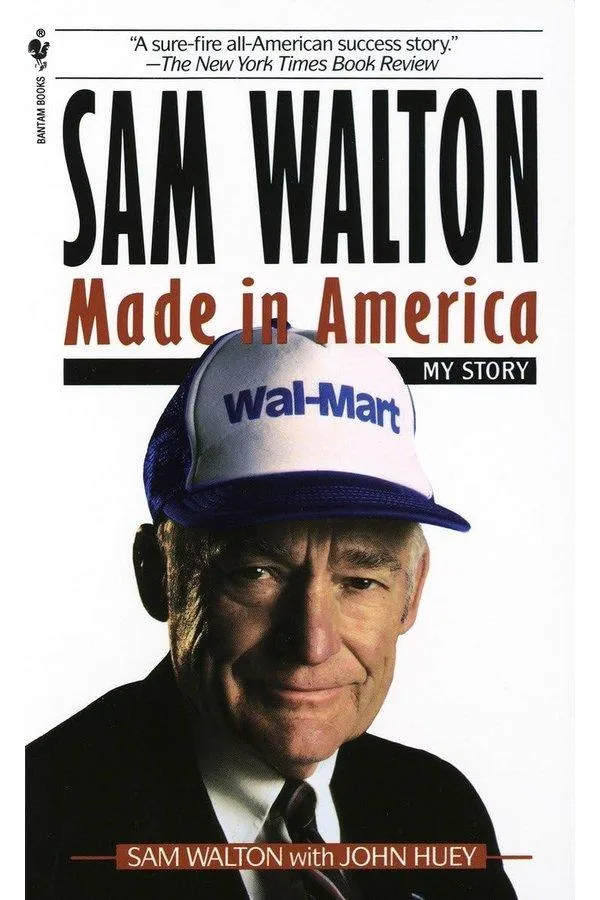
Written in the last months of Walton's life, this is the founder of Walmart explaining, in a flat Arkansas voice, how a five-and-dime in Bentonville became the largest retailer on earth. The lessons are unglamorous and that is the point: visit the competition, listen to the people on the shop floor, keep costs low and never believe your own press. He drove an old pickup truck to the end. It is the best antidote to the idea that great businesses need great charisma.
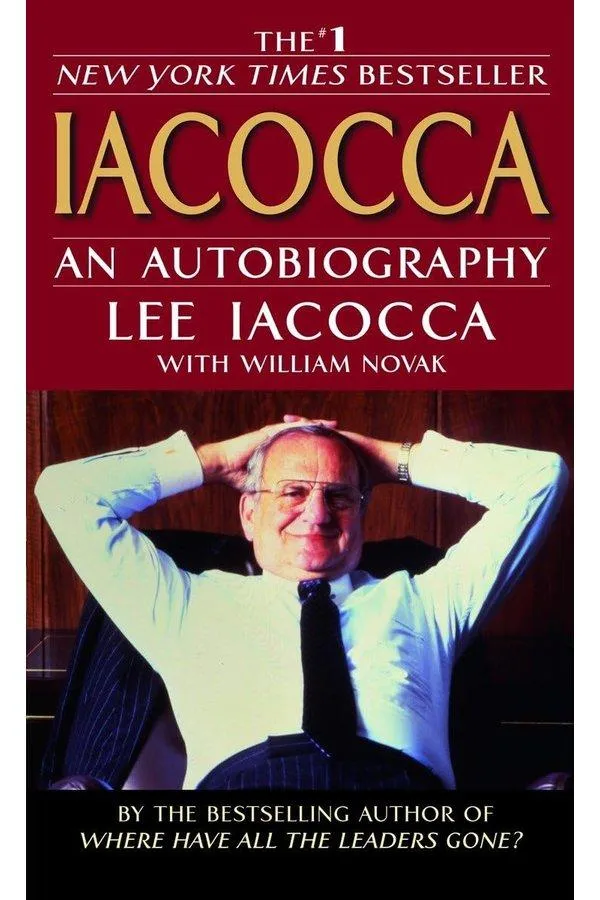
A memoir. Iacocca launched the Mustang at Ford, was fired by Henry Ford II in 1978 and went next door to Chrysler, which was close to collapse. He won a federal loan guarantee from Congress, cut the company to the bone, sold cars on television himself and paid the loans back early. The book was a bestseller for years. It is the definitive story of a turnaround, told by a man who never once underestimated his own part in it.
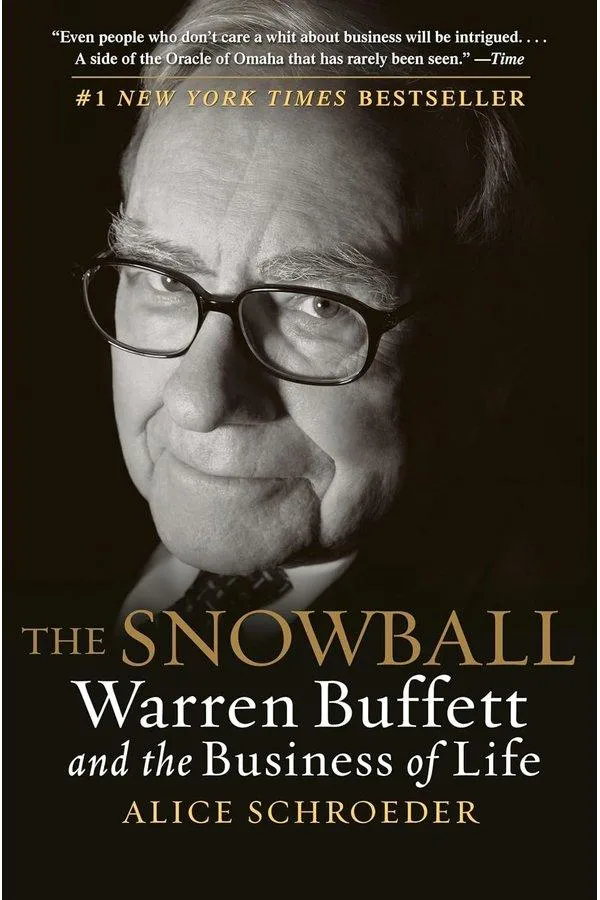
Buffett gave Schroeder unusual access, and she used it to write a far more complicated book than he expected. The investing is here, from the boy selling chewing gum door to door to the student of Benjamin Graham to the chairman of Berkshire Hathaway, but so are the loneliness, the marriage and the sheer strangeness of a mind that sees compound interest everywhere. Now that he has handed the chief executive's job to Greg Abel, it reads as the complete account of the career.
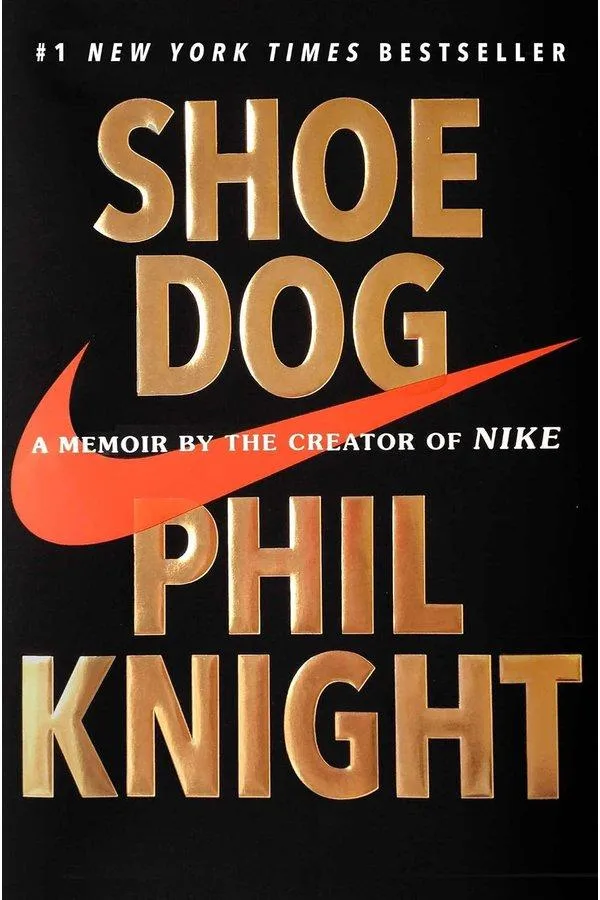
The founder of Nike, telling the story of the company's first eighteen years, from selling Japanese running shoes out of the boot of his car to the public offering that made him rich. It is a memoir of fear, debt, bankers who wanted to shut him down and a coach who poured rubber into his own wife's waffle iron. Knight writes better than any chief executive has a right to, and it is the most honest account in print of what starting a company feels like at three in the morning.
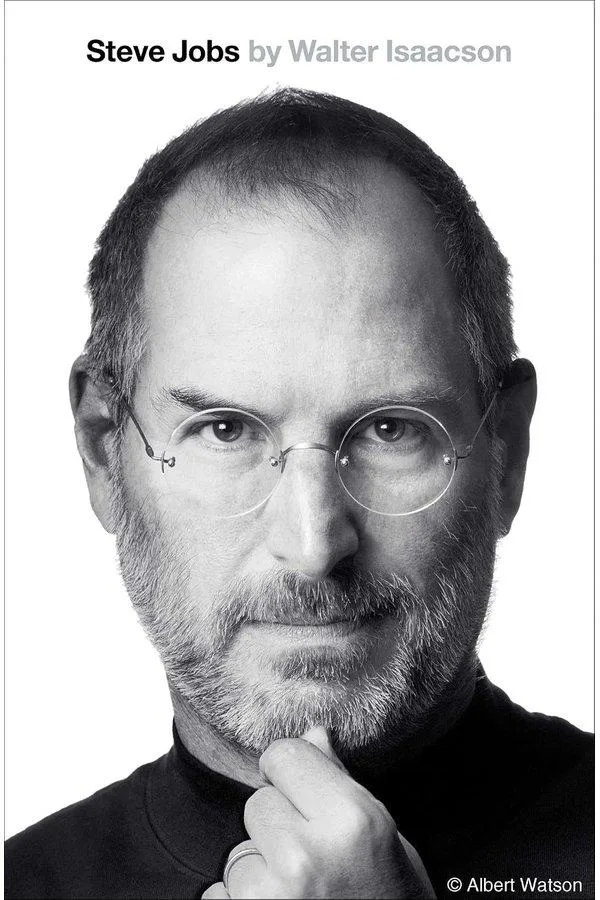
Jobs asked for no control over the text and got none. Isaacson interviewed him more than forty times, and the portrait is of a man both visionary and frequently unbearable: the reality distortion field, the obsession with fonts and finishes, the cruelty to colleagues, the exile from Apple and the return that made it the most valuable company in the world. Read it for the taste. No one in modern business cared more about how a thing looked and felt in the hand.
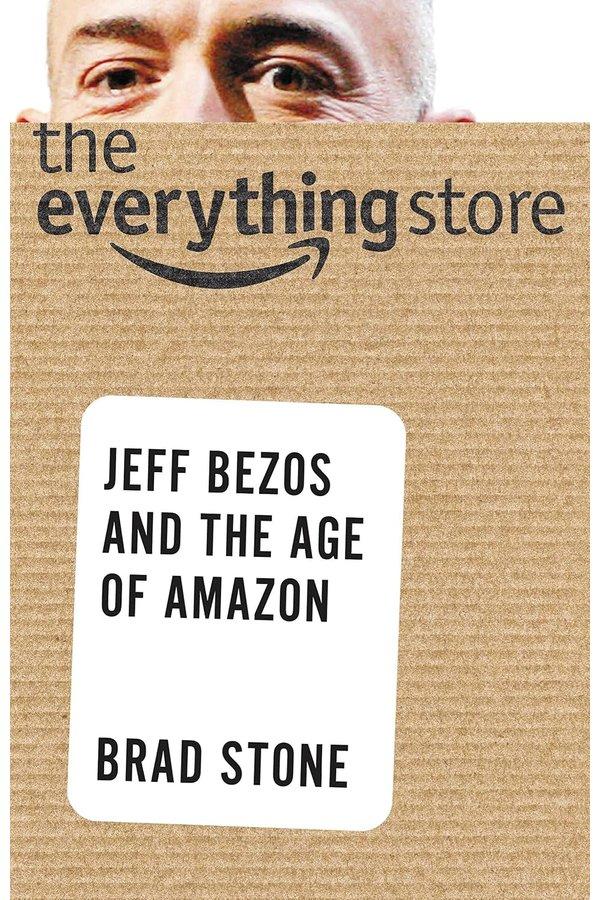
Bezos left a hedge fund in 1994 to sell books on the internet from a garage outside Seattle, and Stone traces how that became the company that sells nearly everything. He is good on the frugality, the six-page memos and the relentless pressure on rivals and staff, and the book won the Financial Times business book of the year. It is the best account yet of how the defining company of the internet age was built, and of the man who built it.
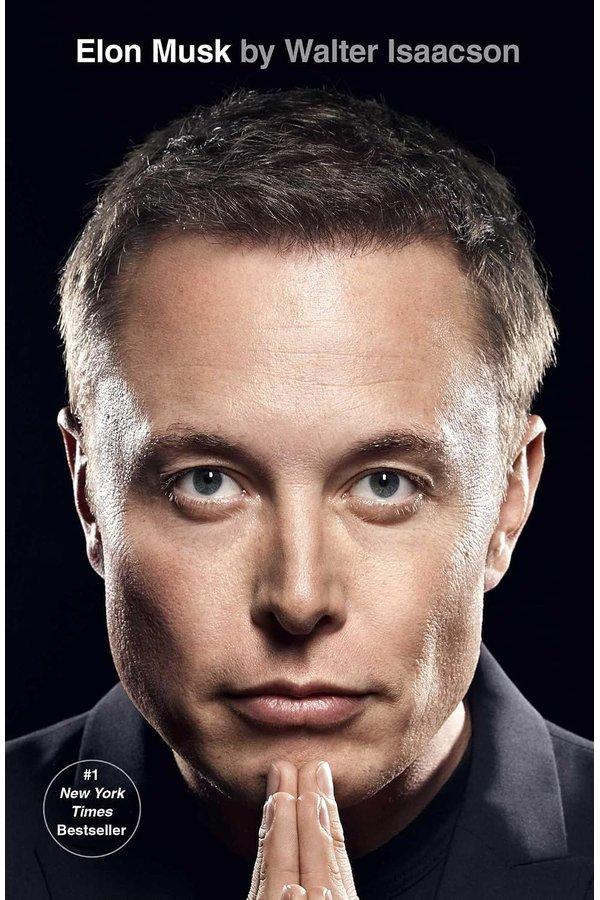
Isaacson shadowed Musk for two years, and the book is the closest thing we have to an unvarnished account of the most argued-over businessman alive. Whatever one thinks of him, the record of rockets that land themselves and electric cars that reshaped an industry is extraordinary, and Isaacson is clear-eyed about the cost: the impulsiveness, the punishing hours and the demons. It is the business biography of the decade, and the conversation at any dinner will eventually arrive at it.
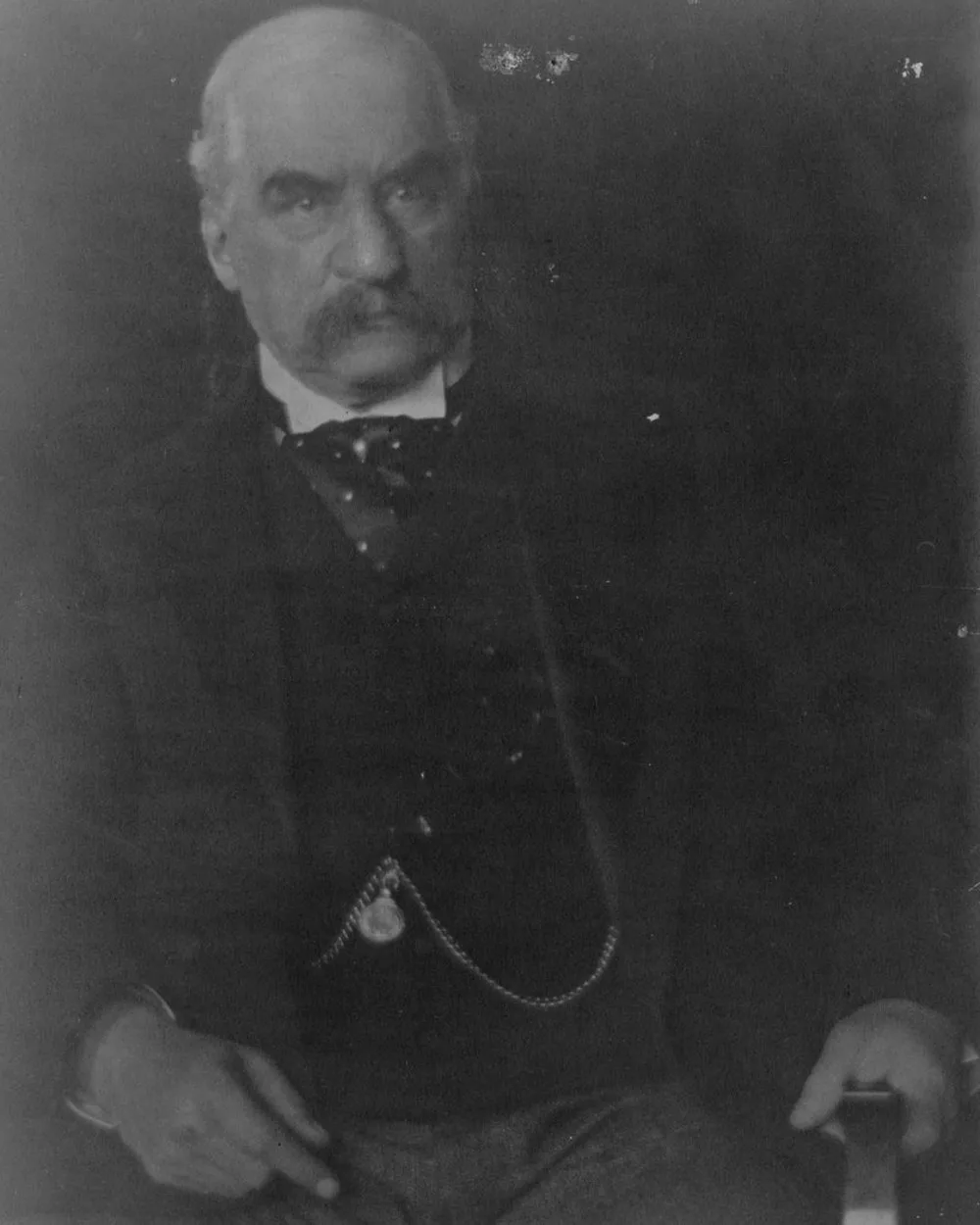
J. Pierpont Morgan, photographed by Edward Steichen in 1903. Morgan disliked being photographed; the light on the arm of the chair looks like a knife. Photo: Edward Steichen / Library of Congress / Wikimedia Commons (public domain)
What the shelf teaches
Read together, the twenty books say a few things clearly.
Character is the collateral. When Samuel Untermyer, counsel to the Pujo Committee, asked Pierpont Morgan in 1912 whether commercial credit was not based primarily on money or property, Morgan said no. Every lasting fortune on this list rested on a reputation that was protected more fiercely than the money.
Thrift is not the opposite of ambition. Rockefeller's ledger, Walton's pickup truck and Buffett's house in Omaha, bought in 1958 and lived in ever since, are not eccentricities. They are discipline made visible, and the habit of watching small sums is what made it possible to bet everything on large ones.
The main concourse of Grand Central Terminal, built by Vanderbilt's heirs on the site of the depot he opened in 1871. Photo: D. Benjamin Miller / Wikimedia Commons (CC0)
Hiring is the whole game. Ogilvy gave each new director a set of Russian dolls, the smallest containing a note explaining the point. Carnegie claimed he knew little about making steel and everything about choosing men who did, and Jobs built Apple around the conviction that first-rate people hire first-rate people.
And the great builders are rarely pleasant. Vanderbilt was coarse, Rockefeller cold, Jobs cruel and Musk, by his biographer's account, frequently impossible. The books do not ask you to admire the men, only to understand them, which is a more useful exercise. A gentleman of my era would not have dined with half of them, and would have been considerably poorer for it.
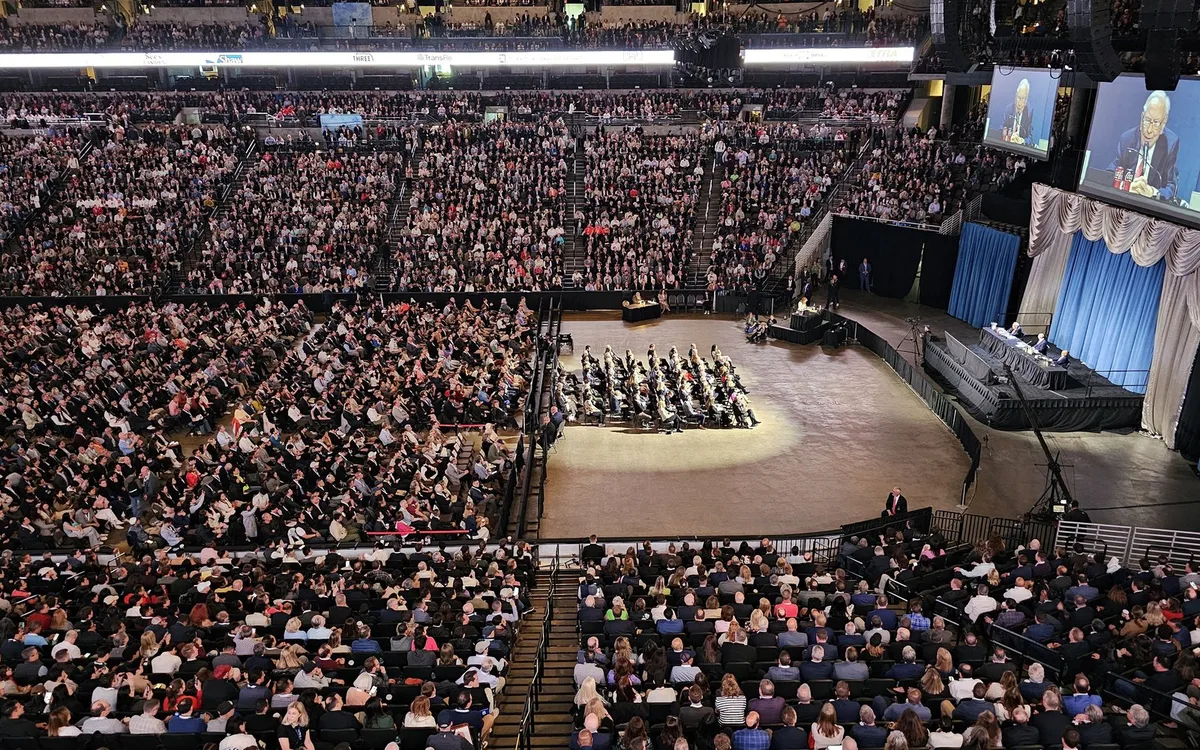
Shareholders filling the arena in Omaha for the Berkshire Hathaway annual meeting, 2025. Photo: Good-investing / Wikimedia Commons (CC0)
Where to start
If you read one, read Titan. It is the best-written book on this list and the most complete study of how a fortune is assembled and then given away. If you want something shorter and more practical, read Ogilvy. If you are about to start a company, read Shoe Dog first and take the fear in it seriously. And if you want to understand why investing is mostly temperament, read The Snowball slowly. For the trading floor rather than the boardroom, start with the best books about Wall Street.
The short version
Twenty lives, in order: Vanderbilt, Carnegie, Rockefeller, the Morgans, Mellon, Hearst, Ford, Sloan, the Guccis, the men of Lazard, Kroc, Ogilvy, Graham, Walton, Iacocca, Buffett, Knight, Jobs, Bezos and Musk. Read them in that order, with a pencil, and pay attention to the near-misses. Every one of them was a single bad year from being forgotten.
Business biographies: frequently asked questions
What is the best business biography ever written?
Titan, Ron Chernow's life of John D. Rockefeller, is the strongest candidate. It is beautifully written, based on papers earlier biographers never saw, and covers both how the Standard Oil fortune was built and how it was given away.
What business biography should I read first?
Start with Shoe Dog by Phil Knight if you want something gripping and personal, or Titan if you want the definitive account of a nineteenth-century fortune. Reading the lives in chronological order, beginning with Vanderbilt, makes the rest of the shelf easier to understand.
Is there a good biography of Warren Buffett?
The Snowball by Alice Schroeder, written with Buffett's cooperation, is the most complete. It covers his investing career from boyhood to Berkshire Hathaway and is unusually candid about his private life.
Are business memoirs as good as biographies?
The best ones are. Shoe Dog, Sam Walton: Made in America and David Ogilvy's Confessions of an Advertising Man are all memoirs, and each is more candid than many authorised biographies. A good biography is still the better guide to a subject's flaws.
Which Walter Isaacson biography is better, Steve Jobs or Elon Musk?
Steve Jobs is the more complete book, because it covers a finished career and Isaacson had more than forty interviews with its subject. Elon Musk is the more immediate one, based on two years shadowing a man whose story is still unfolding.
Share
The Graze may earn a commission from qualifying purchases made through links in this article.