Fortressing: The Rich Are Building Walls. Here Is the Floor Plan.
There is a word for what the well-off are doing this autumn, and it is usually said quietly, after the second bottle. The word is fortressing. It does not mean moats and portcullises. It means the moment a sensible person stops expecting the state to look after him and starts arranging matters himself.
I find it a very old idea in a very new suit. The rich have always been good at leaving. What has changed is how many of them are now doing it at once, and how little they bother to apologise.
Why now: France is the trailer, not the film
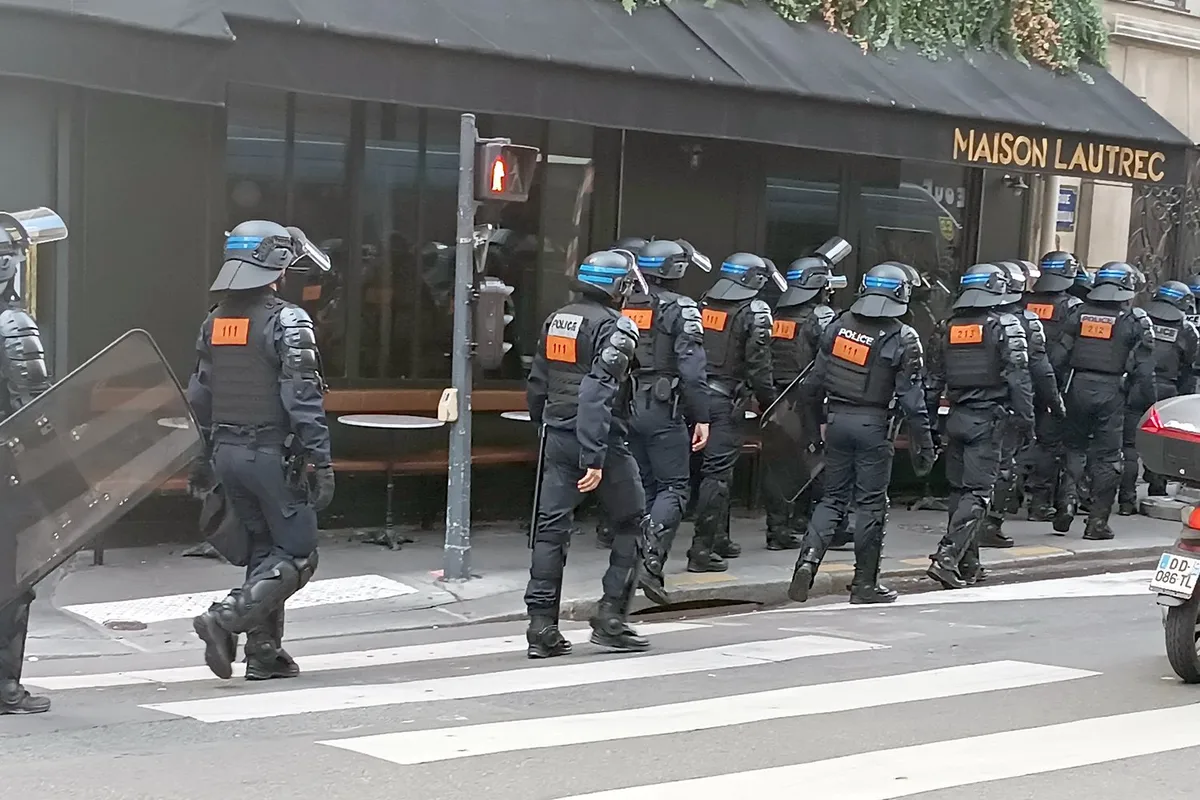
The trigger, this time, was France. Another season of unrest, and a growing suspicion that it was not a bad month but a business model running out of road. The investor John Arnold put the uncomfortable version plainly:
The arithmetic is not complicated. Fewer workers, more pensioners, larger debts, the same promises. Something gives, and what usually gives first is the quality of everything the public sector touches: the schools, the hospitals, the police response time, the train that does not come.
Layer on top of that the K-shaped economy, in which the top arm of the letter climbs and the bottom arm slides, and the two halves of society stop meeting. The people at the top of the K pay most of the bills. When they conclude that they are subsidising failure rather than fixing it, they do not riot. They do something far more effective. They leave, quietly, and they take the tax base with them.
That is the argument for fortressing in a sentence: what is happening in Paris will happen elsewhere, including in America, and it is cheaper to prepare in calm weather than to scramble in a storm.
The national version: the Singapore playbook
At the level of the state, fortressing has a name and a patron saint. Lee Kuan Yew took a small, swampy port with no natural resources, became prime minister in 1959 and, after independence in 1965, turned Singapore into one of the richest places on earth. He did it with a short list that would get a man uninvited from most Western faculty lounges: meritocracy, incorruptible and efficient government, low taxes, business-friendly rules, law and order, and immigration chosen for the skills the country needed rather than the number of people who happened to arrive.
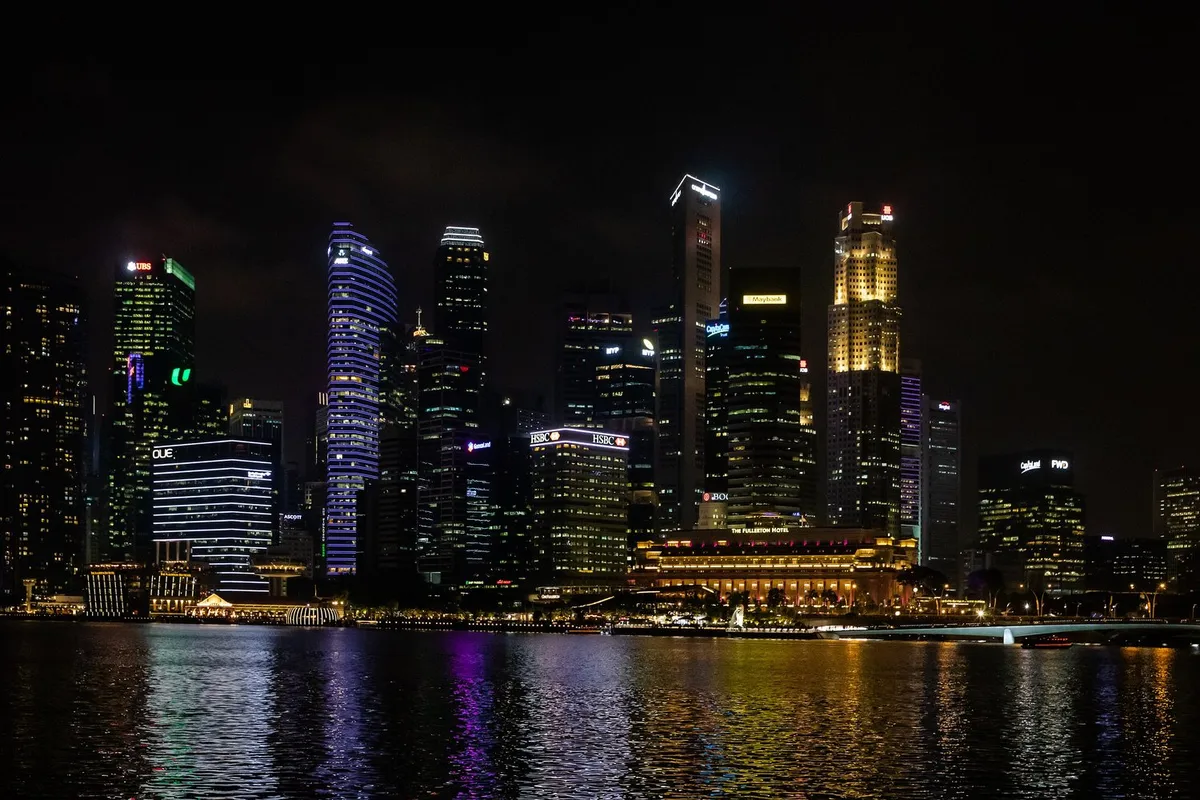
Applied to a modern Western country, the model means selective immigration, real rather than ceremonial assimilation, and a government willing to enforce order instead of absorbing unlimited claims on public money. One may admire it or deplore it. What one cannot do is pretend that Singapore did not work.
Most of us, however, do not run a country. Which brings us to the private version.
The private version: build your own state, in miniature
The private version of fortressing is already visible to anyone who looks. Gated communities. Private security. Private schools. Concierge medicine. Parallel economies that the top of the K can afford and the bottom cannot. None of it is new. What is new is that it is no longer a luxury for the very rich. For a growing slice of the merely comfortable, it is becoming the only way to buy services that used to come with citizenship.
The logic is brutal and, I am afraid, correct. Those who can exit will. Those who cannot will remain clients of a state whose capacity is shrinking relative to the demands placed on it. Nobody needs to like that sentence for it to be true.
The very rich have shown the way, as they usually do. Peter Thiel acquired New Zealand citizenship in 2011, which became public in 2017. Mark Zuckerberg's compound on Kauai, as Wired reported in 2023, includes an underground shelter. Silicon Valley's favourite dinner-party subject for a decade was which country to have a plan B in. One does not need a Gulfstream to borrow the principle.

The floor plan: fortressing, room by room
The principle is redundancy. Every system you depend on should have a second one that does not depend on the first. In rough order of importance:
1. Land, with water. If you live in a big city, you need an insurance policy: rural land with its own resources, well away from the train lines and the tower blocks, in a community that shares your habits and expectations. Water rights and a well matter more than the view. Buy it when nobody is panicking, because that is when it is priced for people who are not.
2. Power you control. A whole-house standby generator, properly installed and run on natural gas or a large propane tank, turns a three-day blackout into an inconvenience. Rehlko, the old Kohler power business, makes the residential standby units that the serious contractors fit.
3. A line to the outside world. When the towers go down, the house with a dish on the roof is the one that still knows what is going on. Starlink has made satellite internet something you install in an afternoon.
4. A proper safe. For documents, passports, cash, hard drives and anything else you would rather not explain to an insurer. Brown Safe builds them by hand in Vista, California, from thick plate steel, with interiors in wood and leather and a fifty-year warranty, and the US government trusts the same workshop with its embassies; buy the size you will need in ten years, because everyone underestimates.
5. A doctor who answers the phone. Concierge medicine, a private practice where the physician has a few hundred patients rather than a few thousand, is the single quietest upgrade in American life. The waiting room is empty and the mobile number is real.
6. A school you chose. Private, parochial, a good charter, or home with tutors. The point is not prestige; it is that you, not a district map, decided where your children spend seven hours a day.
7. Security that turns up. Cameras, lighting, a monitored alarm and, in some neighbourhoods, a private patrol. Response times are a public service, and public services are what we are discussing.
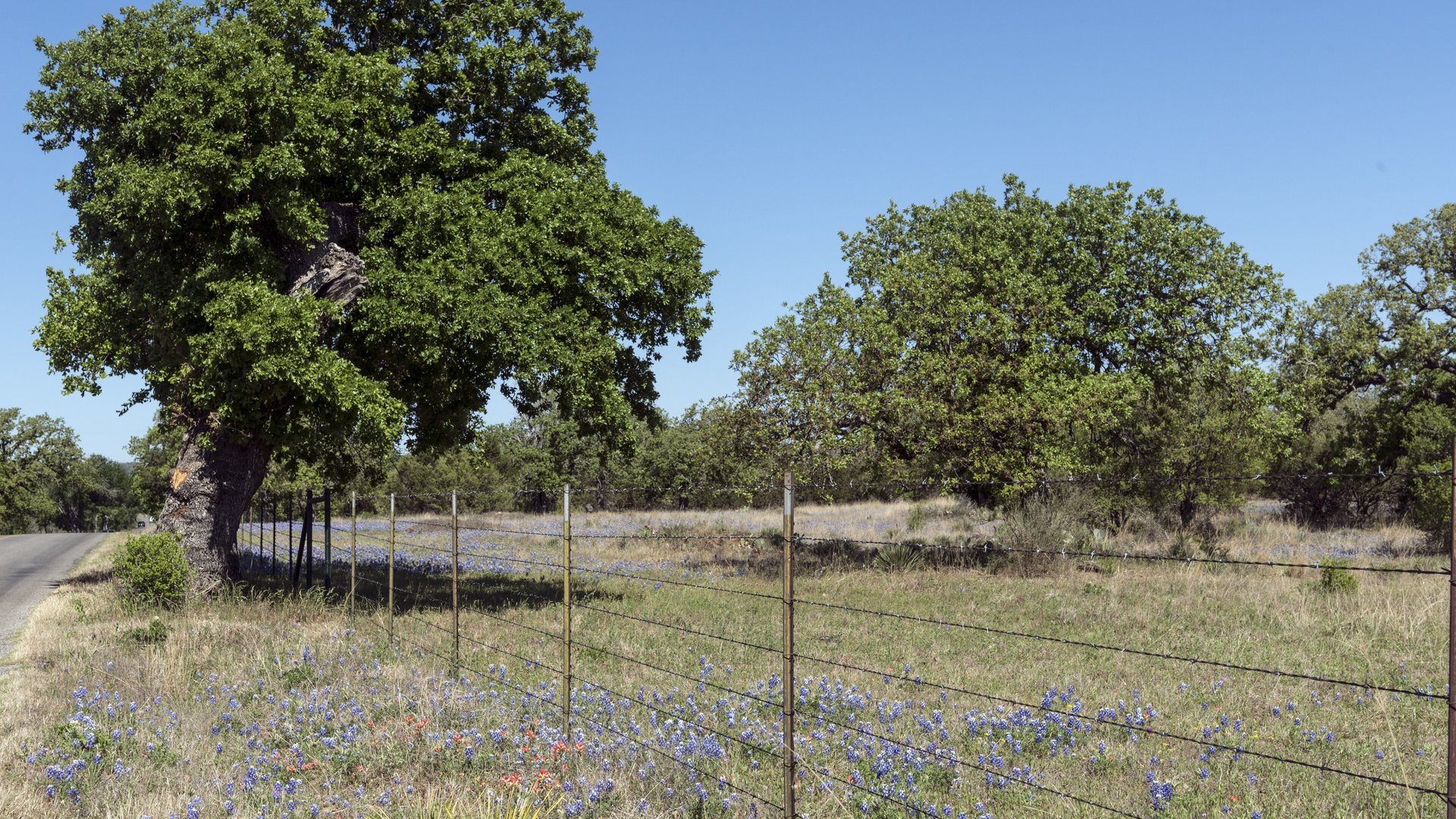
8. A second address and a reason to be there. Not a bunker, which is a hobby, but a house you would actually enjoy: the Hill Country, the Rockies, the coast of Maine. If you never need it for an emergency, you will still have spent a great many good weekends there, which is the best kind of insurance policy.

The manners of the thing
A word on conduct, because this is where most people get it wrong. Fortressing is not something you announce. The man who talks about his bunker at a dinner party has told everyone at the table where to go when things get difficult. Discretion is the whole point. The best-prepared families tend to look entirely ordinary: a farmhouse, a nice truck, a well-stocked pantry and no desire whatsoever to discuss it.
There is also a fine old precedent for the tidy exit. Beau Brummell, the man who taught London how to dress, saw his debts coming due in May 1816 and left for Calais rather than wait for the bailiffs. He spent the rest of his life in France. The lesson is not his tailoring, but his timing: leave while you still have the choice.
Further reading
Two books explain the whole argument better than any think tank.
The short version
Fortressing is not paranoia. It is the same thing a good investor does with a portfolio: assume the main plan may fail, and pay a modest premium now for something that works when it does. The state may well muddle through. It frequently does. But a sensible person does not stake his family on frequently.
Build the walls quietly, build them before you need them, and never, ever talk about them at dinner.