
Wall Street wants to trade AI like oil. First it needs a price
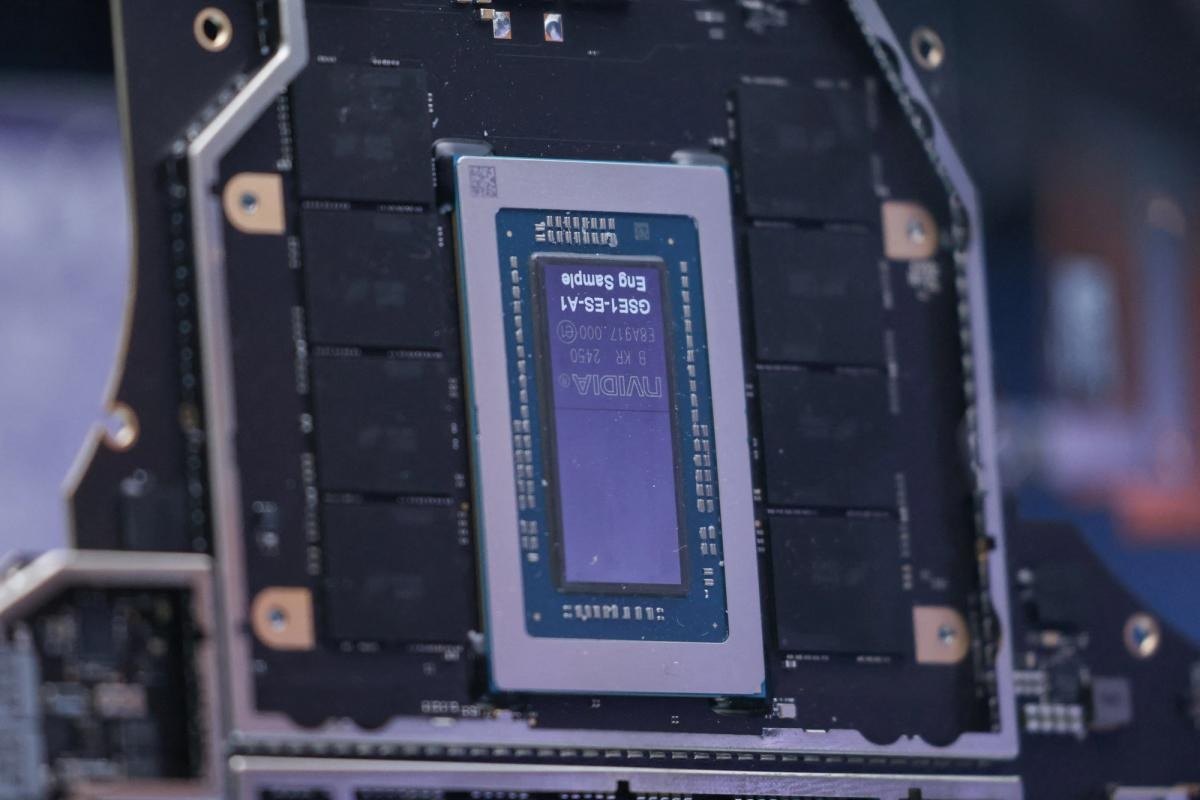
Nvidia hardware is the physical asset. A tradable GPU-hour is a much less straightforward commodity. Photo: Manuel Orbegozo / Reuters, via Semafor.
Wall Street has found the next thing it would like to put a futures price on: the computing power behind artificial intelligence. The awkward part is that the people buying the most of it do not generally disclose what they pay.
That is the problem underneath the race to turn GPU capacity into something that can be traded like oil. An exchange can write a contract. It cannot manufacture a trustworthy cash market, or force the largest technology companies to open their books.
Jeff Sprecher, chief executive of Intercontinental Exchange, told Semafor he was “bullish but cautious” about compute futures. Normally, a derivatives market grows around an established spot market. Here, the financial machinery risks arriving before the underlying market is properly visible.
What would actually change hands?
Not an Nvidia chip, and not necessarily access to a data centre. The proposed products are financial contracts linked to rental-price benchmarks. At expiry, the settlement is cash. Think of an airline hedging fuel, except the input is a GPU-hour and the benchmark is much harder to pin down.
An AI developer worries that renting processors will become more expensive. A cloud operator worries that the price it can charge will fall after it has borrowed to buy the hardware. In principle, futures let those two risks meet. A speculator or market maker can sit between them.
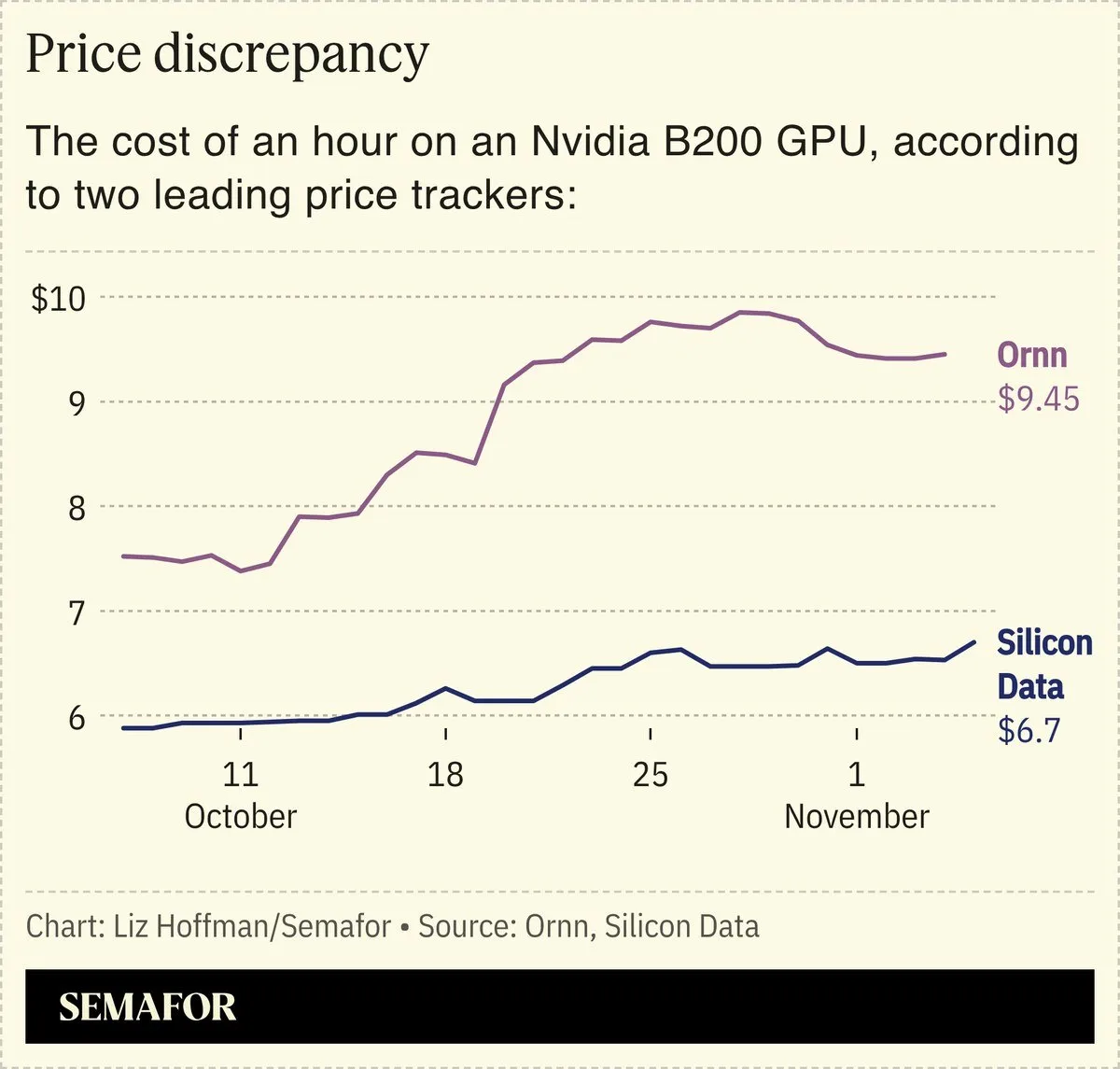
The Futures Industry Association's explainer describes the snag: an hour on one processor, in one location, under one rental arrangement is not interchangeable with every other GPU-hour. Hardware generation, networking, availability and contract terms all matter. A hedge against a broad index may be a poor match for the capacity a company actually needs. That gap is basis risk, not a detail that clever branding removes.
The lenders may force the issue
Sprecher's more interesting argument is about debt. Data-centre projects need large amounts of financing. Lenders may increasingly want their borrowers to lock in the price of the capacity they plan to sell, rather than underwrite a business exposed to whatever GPU rental rates do next.
That could create commercial demand for hedges even if the largest AI buyers prefer private negotiations. It is a familiar financial progression: an asset becomes widely financed, creditors demand more predictable cash flows, and risk-management products follow.
But a futures contract does not fix all the risks in a data centre. It does not secure an electricity connection, guarantee utilisation, remove a customer's credit risk or prevent a new chip from making existing hardware less competitive. A price hedge is not insurance against having built the wrong facility.
Washington is part of the trade
Semafor reports that pressure from the Trump administration caused Kalshi to abandon a GPU price tracker in September. Sprecher attributed the concern to the possibility that transparent AI pricing could disadvantage the US against China. That is his account of the policy logic, not a published ban on every compute derivative.
Exchange plans also remain subject to regulatory scrutiny. ICE's September notice said its proposed H100 and B200 contracts had no fixed listing date while the Commodity Futures Trading Commission's comment process continued. Reference data and hypothetical settlement prices are not the same as a liquid, operating futures market.
The tension is unusually revealing. Finance wants a public price because it makes lending and trading easier. Large buyers may value secrecy because it preserves bargaining power. Washington may view the same price as strategically sensitive.
There is a respectable business case for compute futures. There is not yet an automatic answer to the question that decides whether they work: will the published benchmark describe a market that enough real buyers and sellers recognise as their own?
Source: Semafor