New York’s new hotels give you fewer reasons to leave
New York hotels used to sell a place to recover between appointments. The better new ones want to supply the appointments.
Esquire’s latest selection of 16 new and substantially renewed hotels makes the change plain. Restaurants, bars, spas and common rooms are no longer supporting amenities. They are often the reason to cross town, even if you live there.
The grand return and the new arrivals
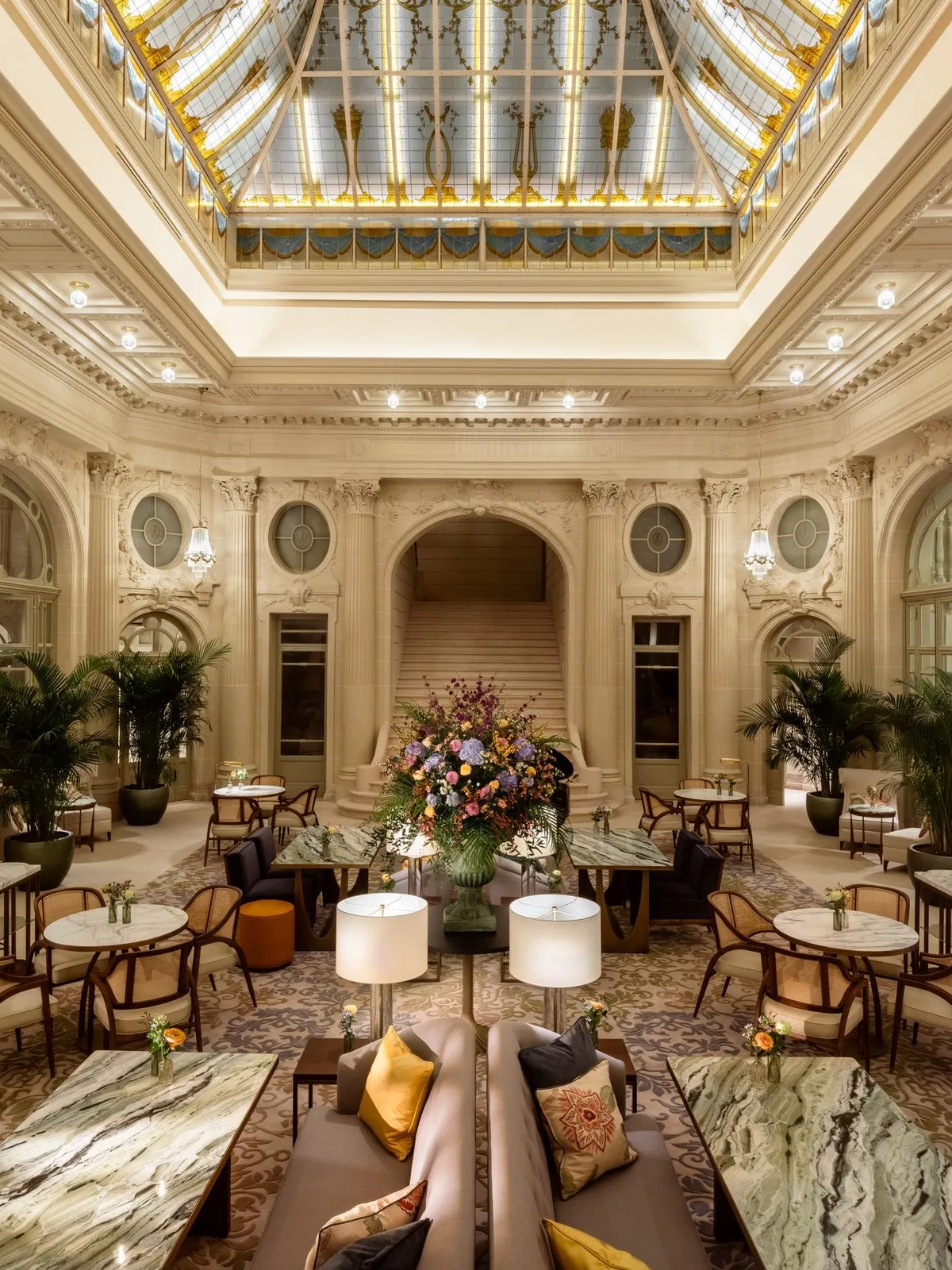
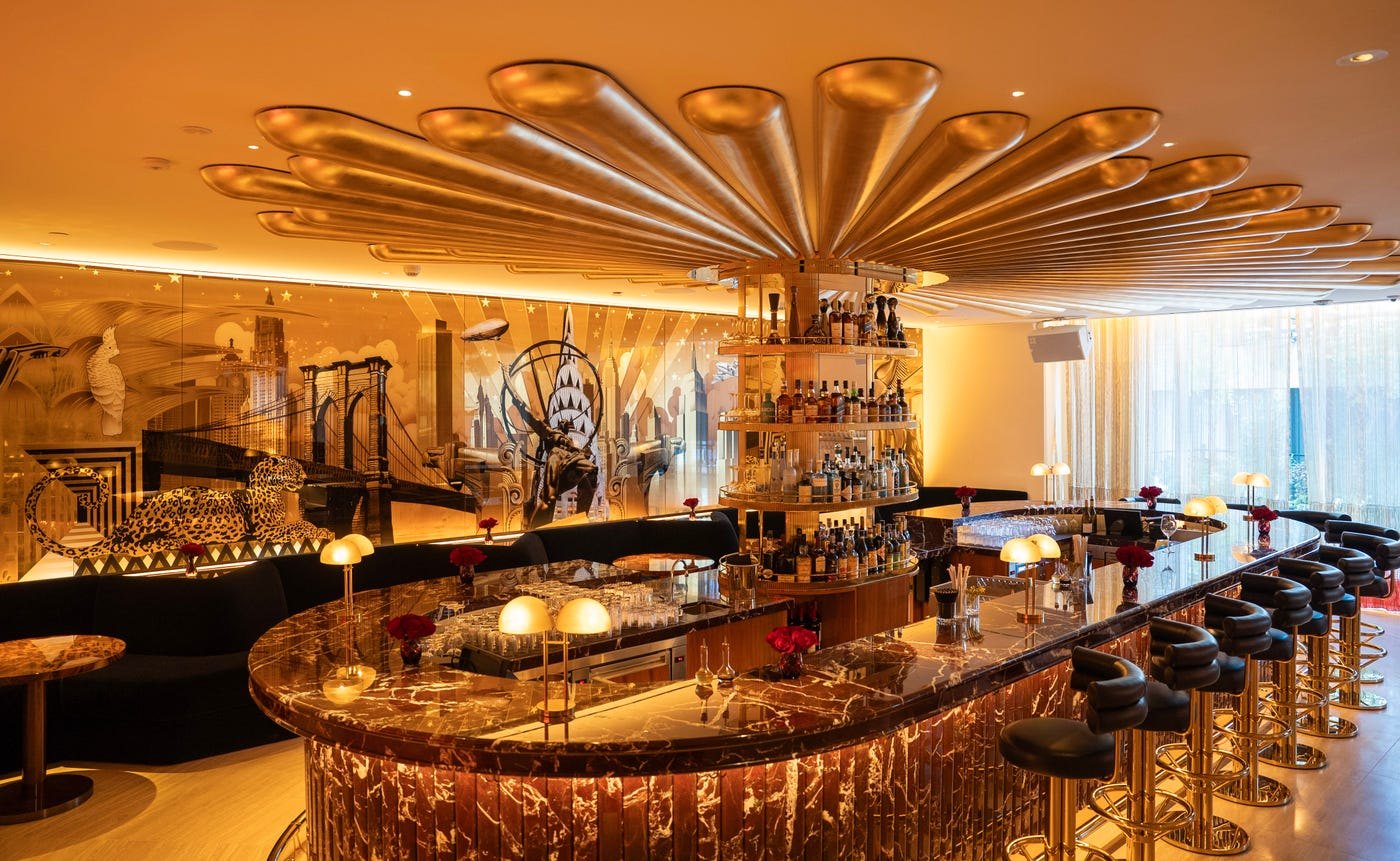
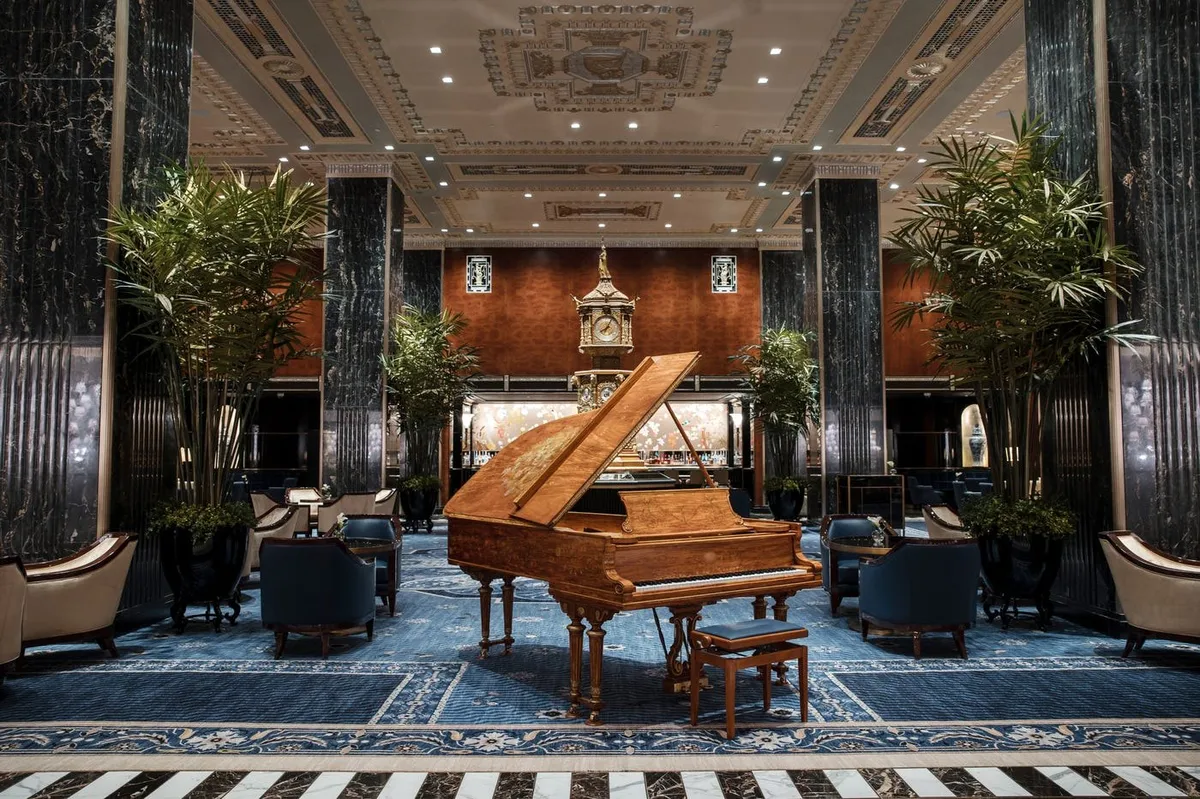
The Waldorf Astoria is the scale play: an eight-year renovation, reported at $2 billion, returns a landmark with Cole Porter’s piano in the lobby and a Guerlain spa. Faena takes the opposite sort of positioning, giving its Hudson-side location views of Little Island and the High Line and turning the Living Room bar into part of the attraction.
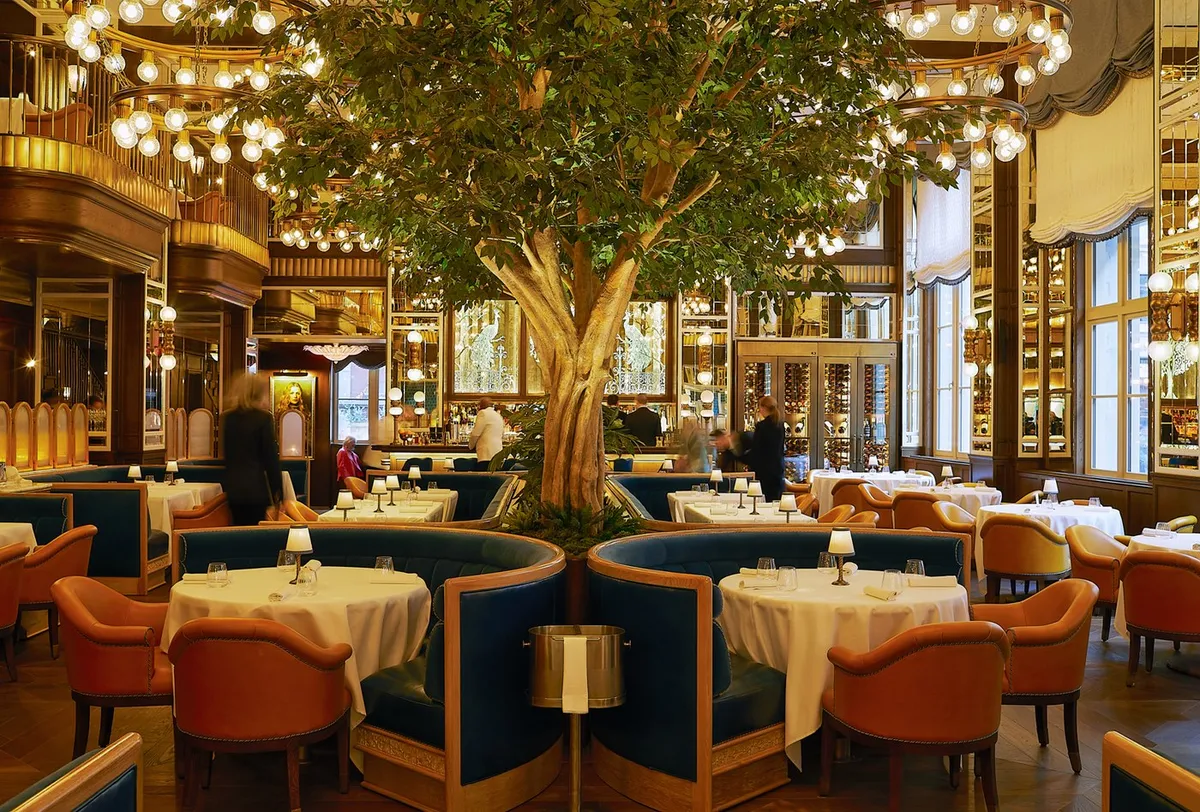
The Manner in SoHo makes a smaller, more intimate proposition. Hannes Peer and the Standard’s Verena Haller shaped the interiors; Sloane’s and the Apartment provide the social spaces. On the Upper East Side, the restored Surrey has reopened under Corinthia, with Casa Tua as a dining draw.
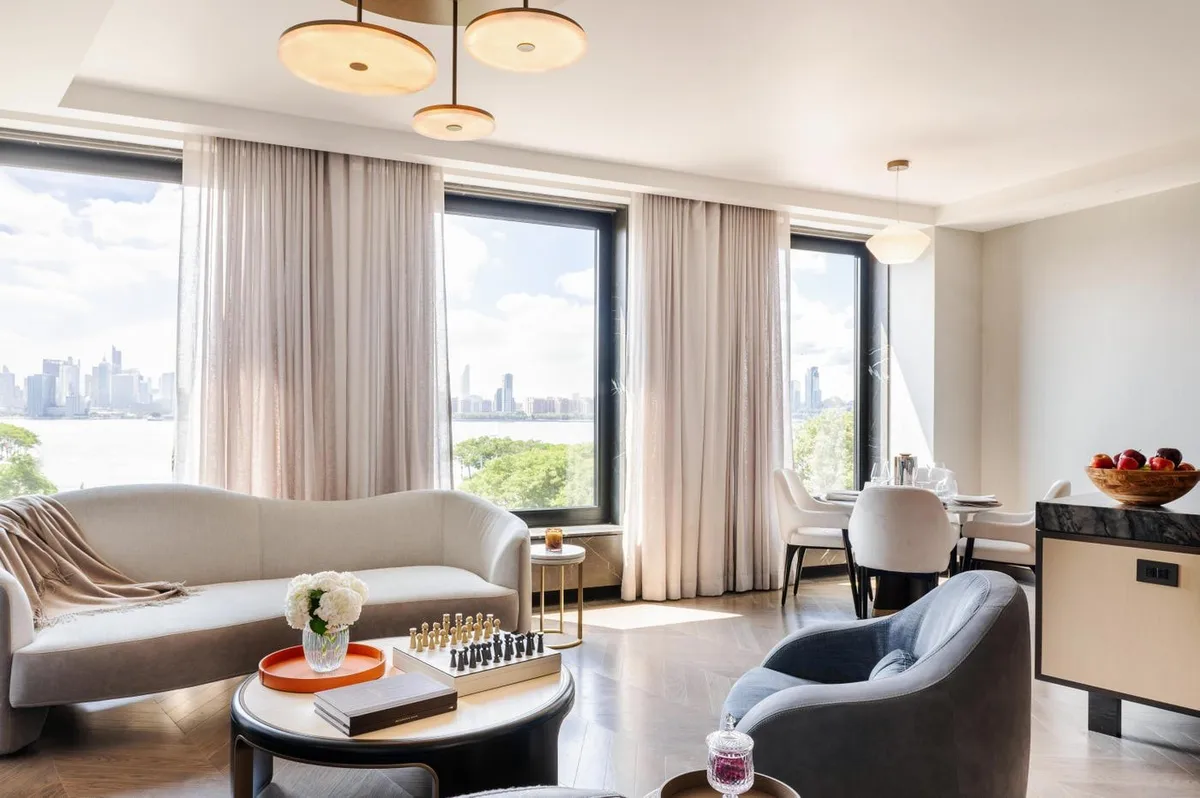
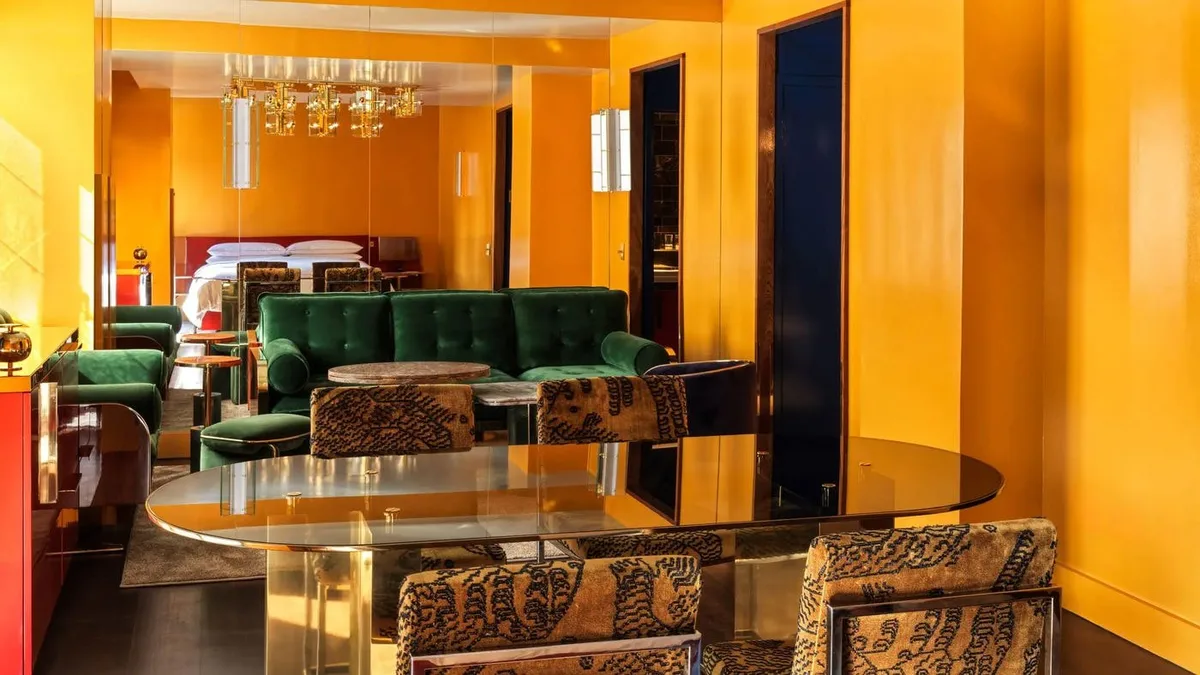
The Fifth Avenue Hotel chooses maximalism: richly furnished rooms, Café Carmellini and the Portrait Bar. Maison Hudson is closer to an exceptionally serviced apartment, with a minimum month-long stay, kitchens and in-unit laundry.
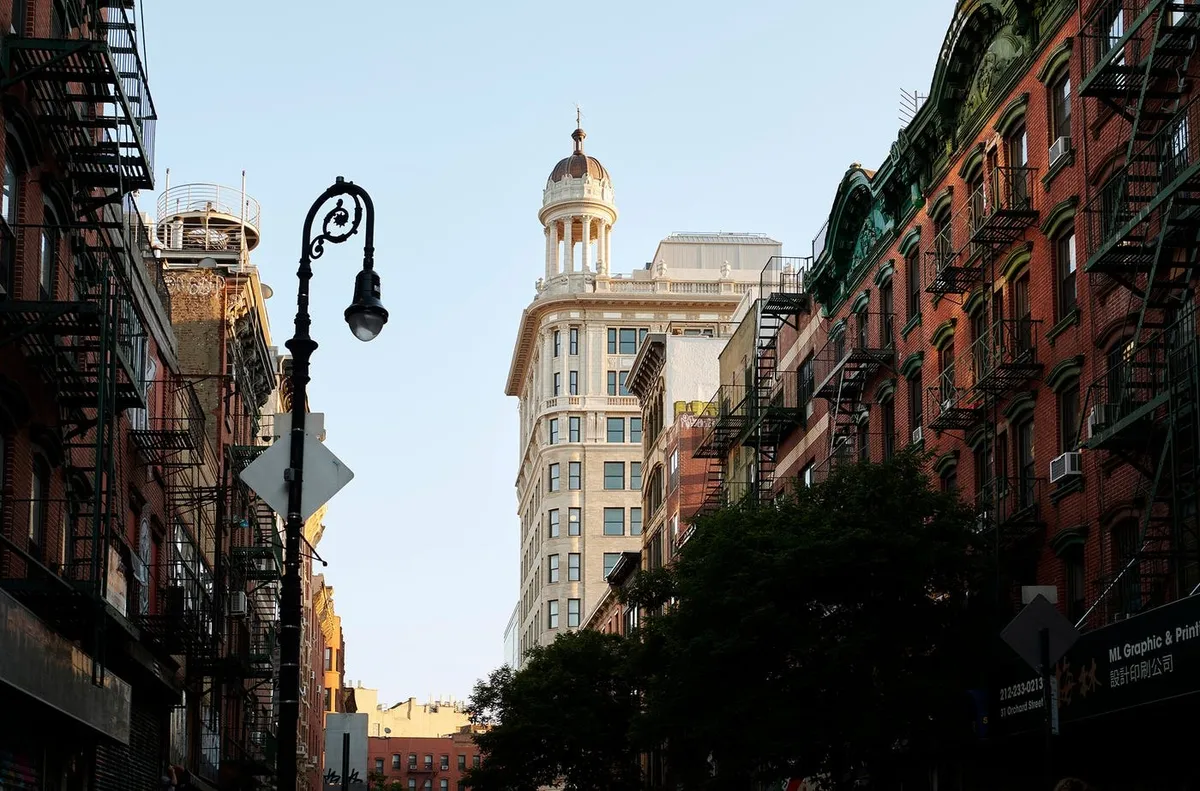
Downtown is not one thing
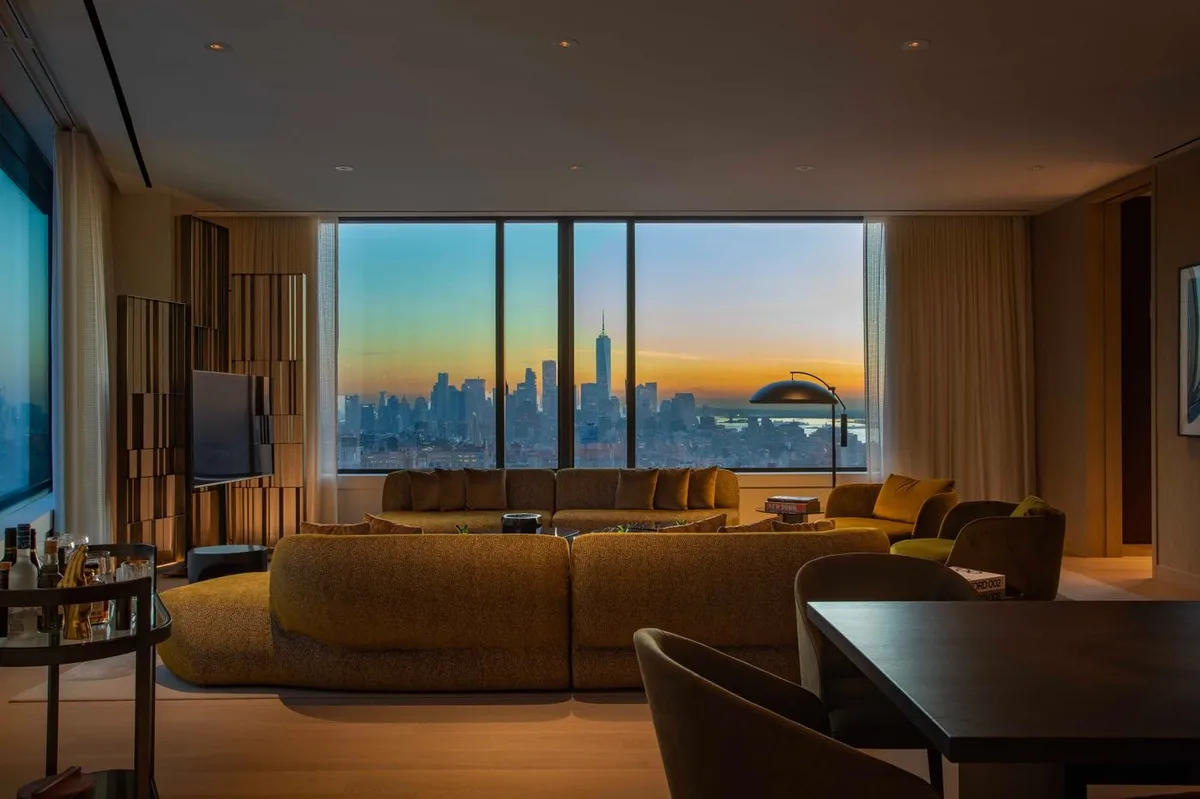
Nine Orchard uses the former Jarmulowsky Bank building to make a Lower East Side stay feel rooted in the neighbourhood. Its Swan Room and Corner Bar are destinations themselves. The Wall Street Hotel brings a restored beaux-arts facade and a French brasserie to the Financial District; Casa Cipriani supplies a very different downtown proposition, built around club-like exclusivity.
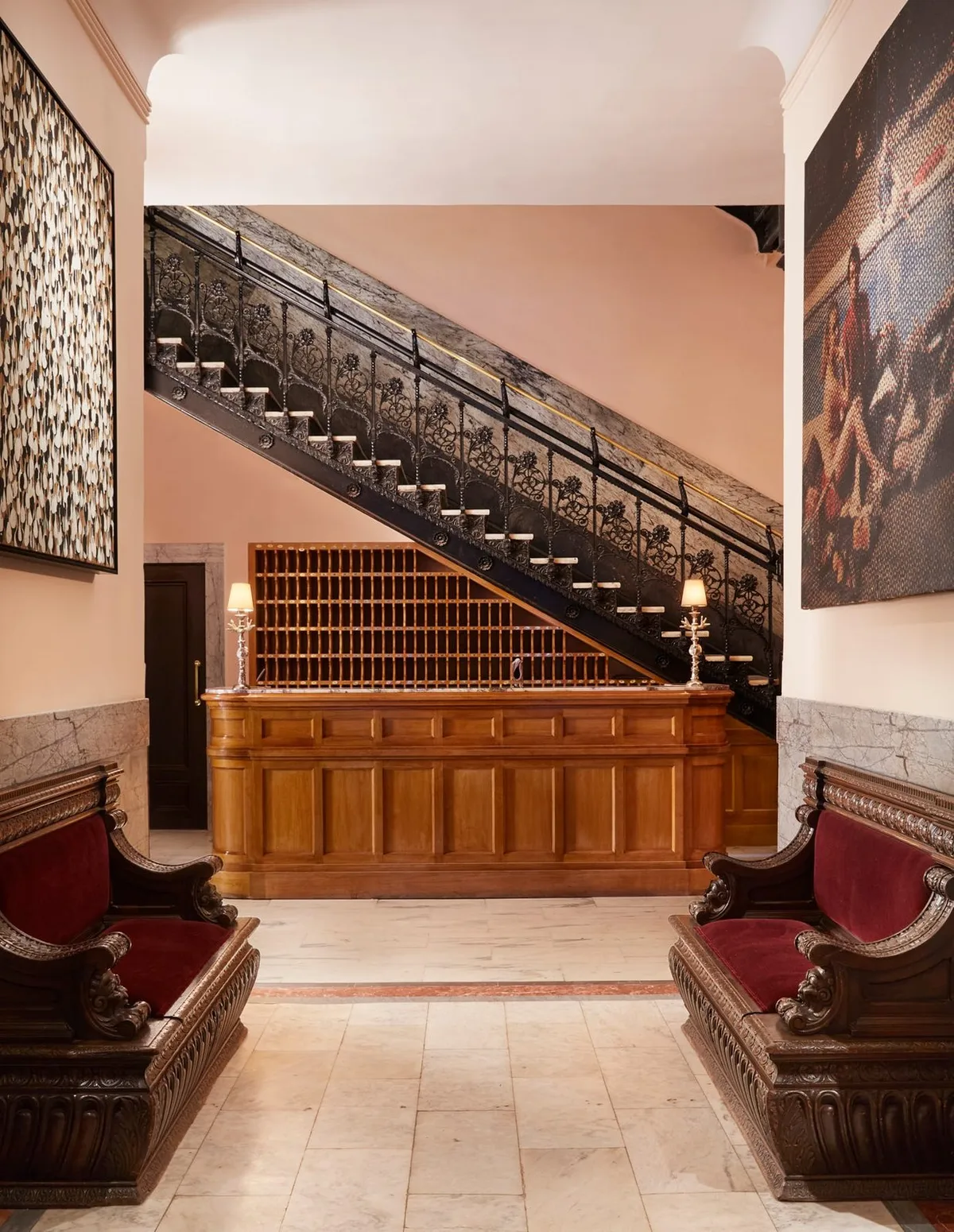
Fouquet’s brings a deliberately French sensibility to TriBeCa. The Hotel Chelsea sells continuity with an artistic past rather than the impression of having arrived yesterday. Both demonstrate why “new” is an elastic category: some of the most interesting hotel stories are reinventions.
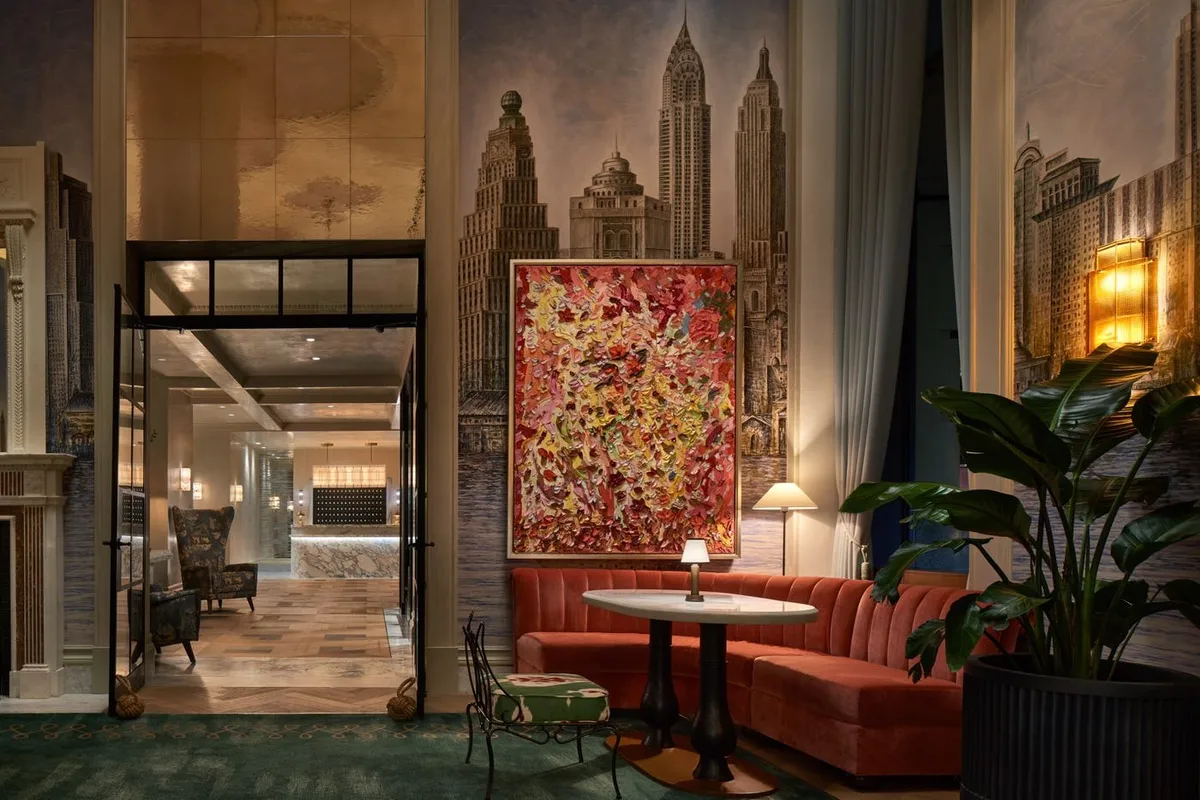
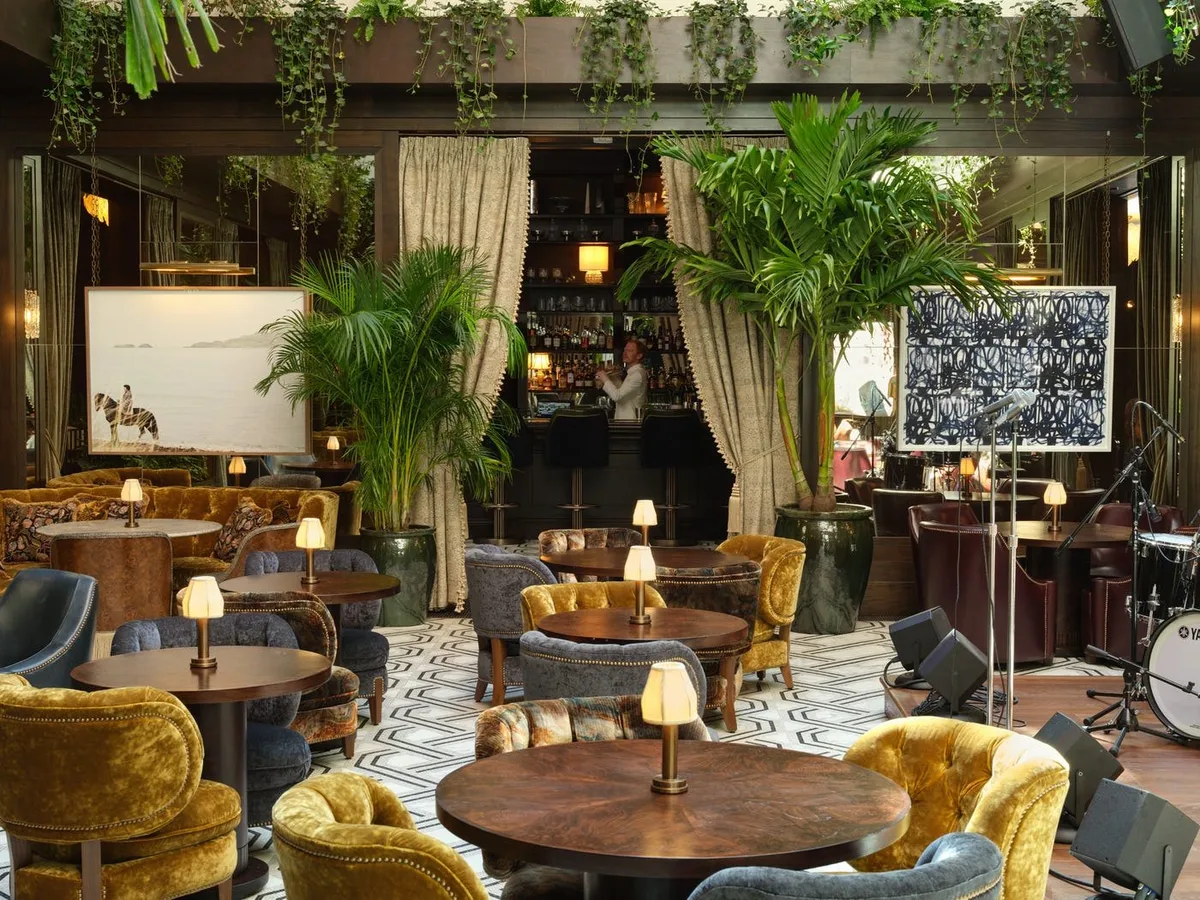
Pick the room, but check the door policy
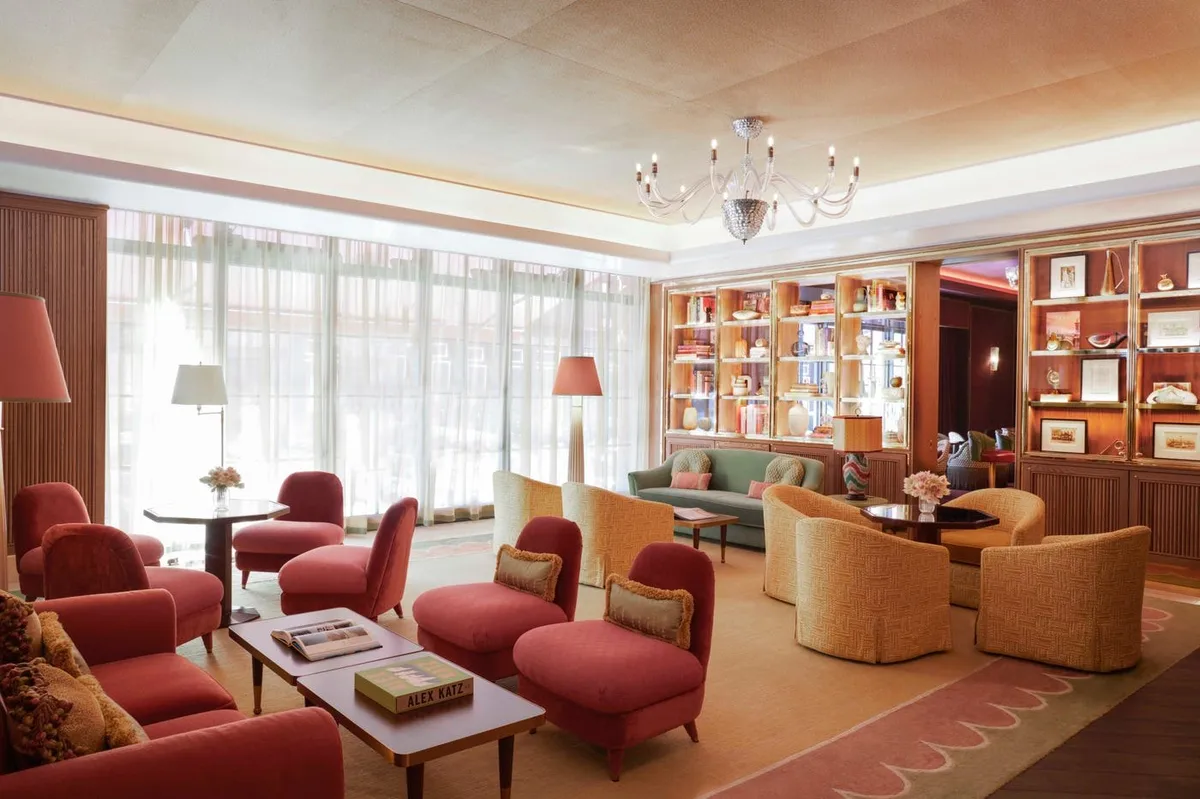
The Ritz-Carlton NoMad combines a quiet room upstairs with José Andrés restaurants and rooftop drinking below. The Ned offers several eating and drinking spaces, but some are reserved for members rather than ordinary hotel guests. That distinction is worth checking before assuming the whole building is included in a booking.
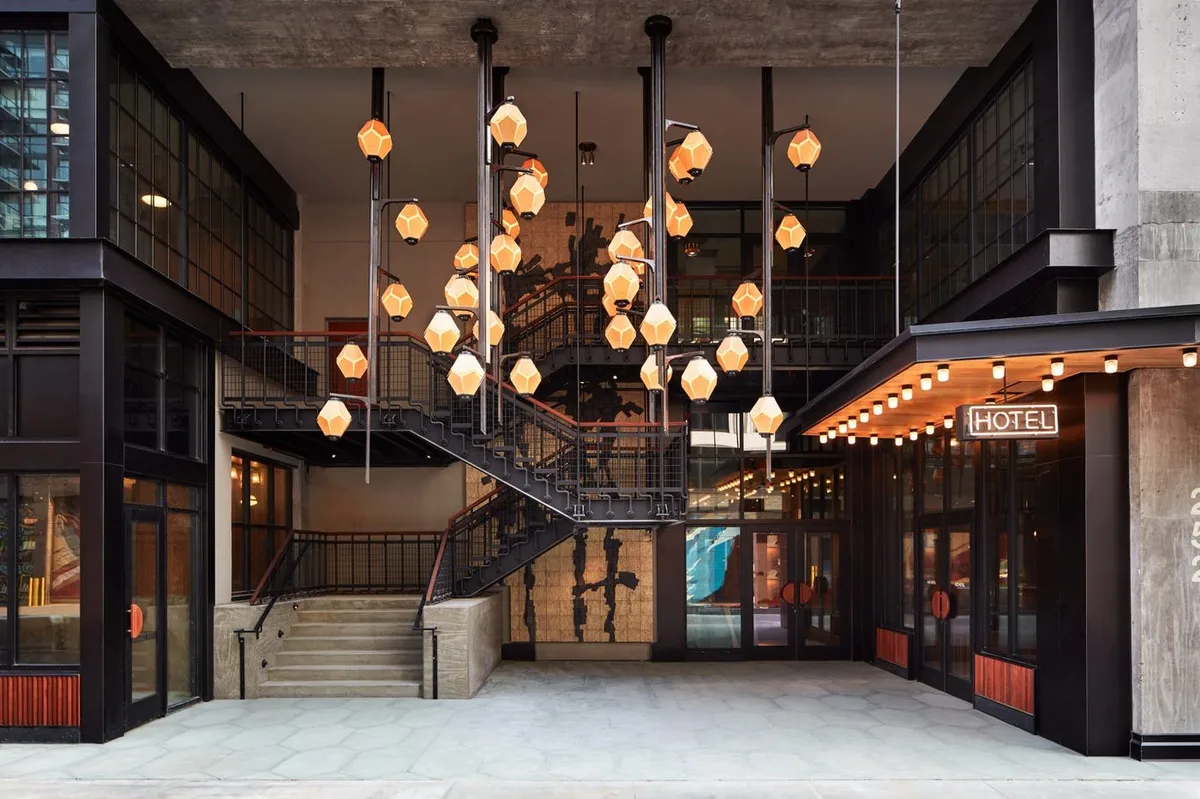
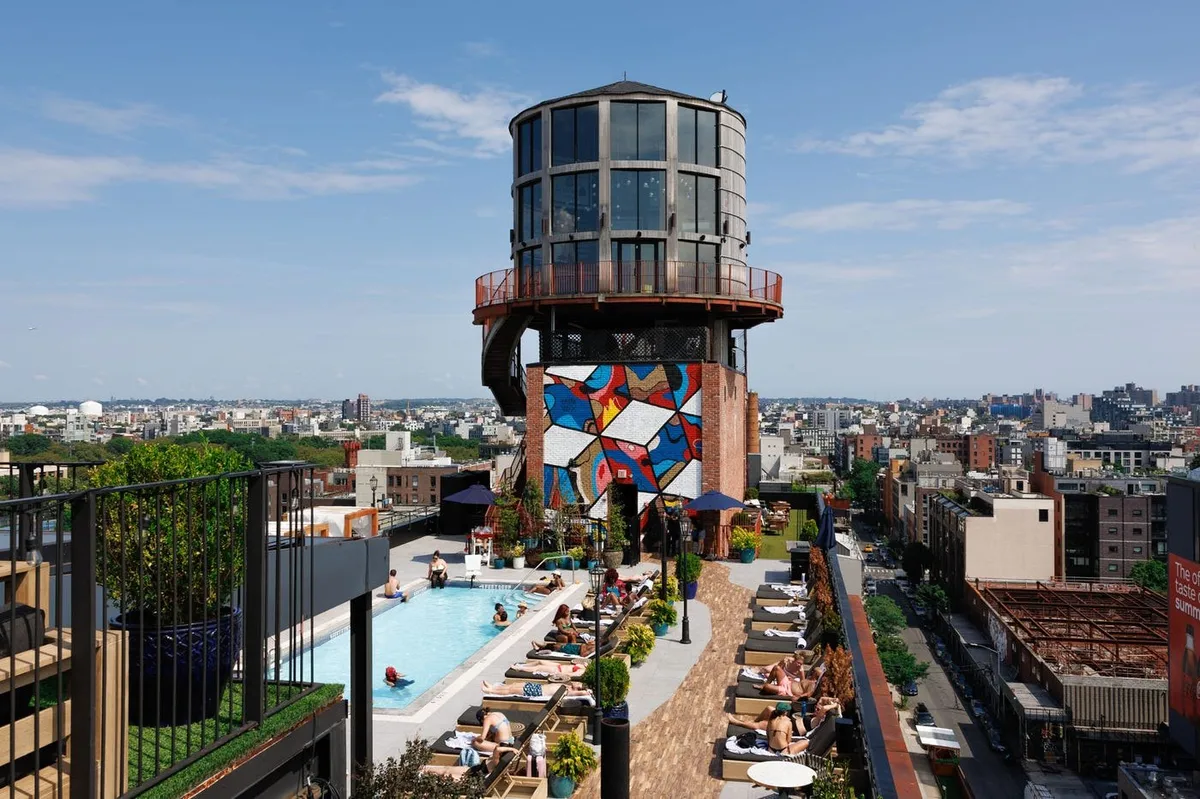
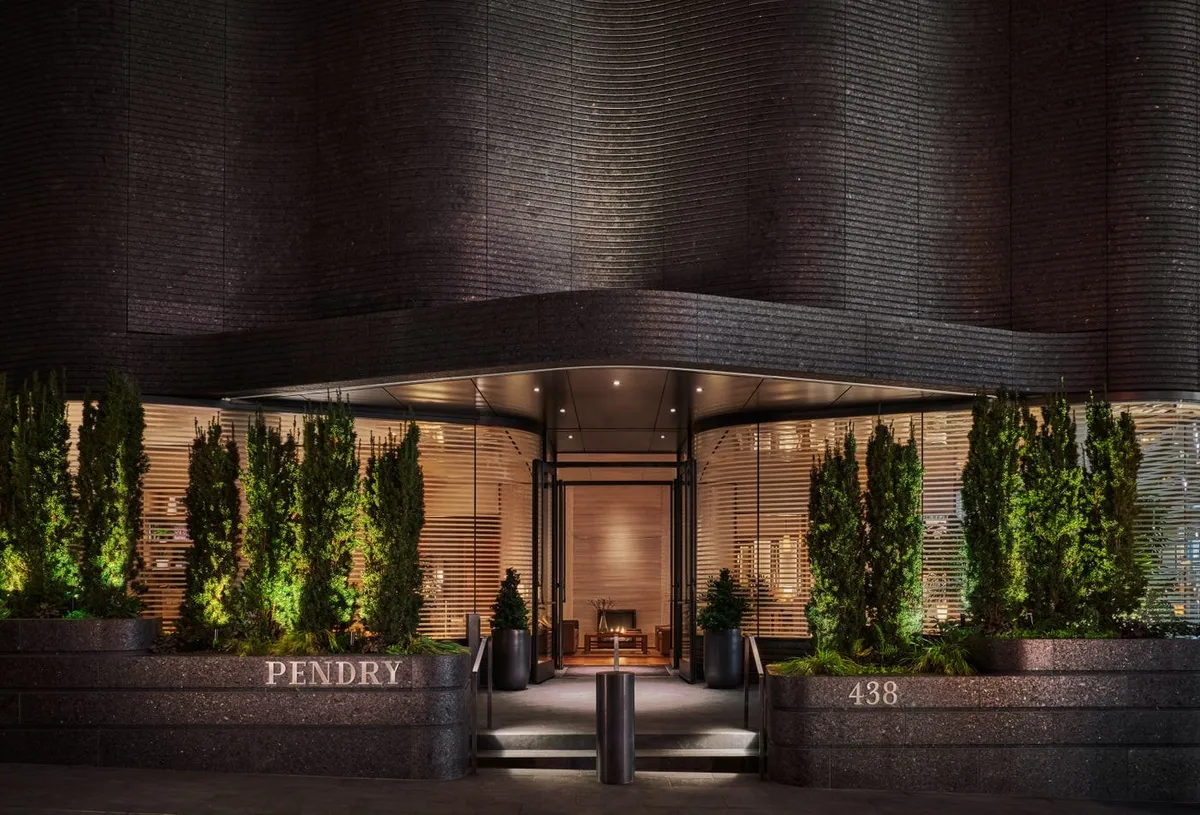
Across the river, Arlo Williamsburg has a rooftop pool and skyline views, while Ace Hotel Brooklyn builds its pitch around a lively lobby and cultural programming. Pendry Manhattan West uses its bars and warm interiors to give a newer district a little intimacy.
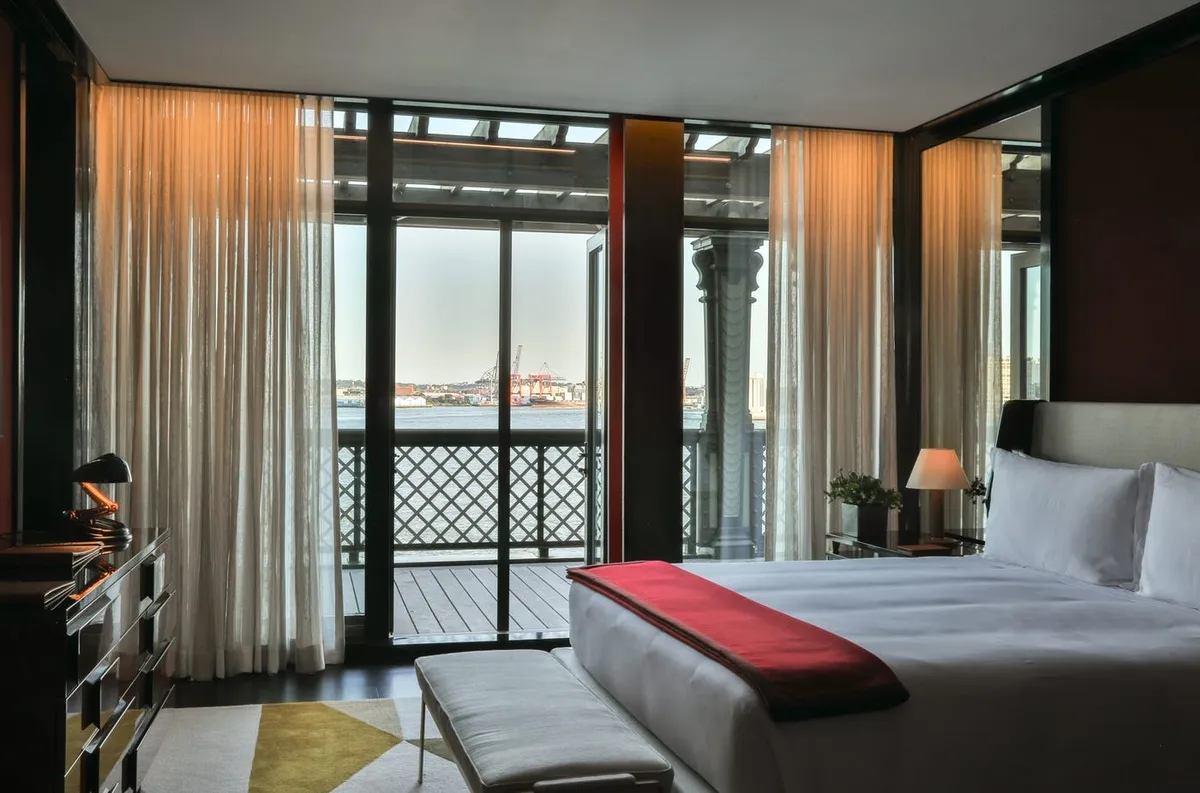
The useful choice is not simply downtown versus uptown, or heritage versus glass. Decide which hotel supplies the evening you actually want. In a city this expensive, buying a good room and spending every spare hour somewhere else can be a surprisingly incomplete use of the booking.
Source: Esquire