How to Dress Like a Man
Suits, shirts, ties, shoes, business casual and watches: a guide to men's business style, built on one idea. Keep it simple and stay in the safe zone.
By Beau Brummell · October 31, 2026 · 11 min read
Look at any airport departure gate on a Monday morning and you can see the trouble with men's clothes. Pleated trousers. Golf shirts tucked into them. Square-toed shoes. Then walk through Midtown Manhattan at lunchtime and you will see the opposite problem: a whole generation of young professionals in the same uniform, as though they had agreed on it by email.
The rules for how men should dress at work have barely changed in decades, which is the point. What follows gathers them into a single guide, from the suit to the gym bag.
Men's style is a question of risk and reward
Most men cannot carry off an indigo suit, cerulean socks and tan brogues, and they should not try. In business, clothes are a function of risk and reward. Get it right and nobody comments. Get it badly wrong and people remember it for years. So the sensible approach is pragmatic: live in the safe zone, keep it simple, and make it elegant.
That rules out both extremes. One is the man with a wardrobe of identical grey T-shirts who claims it frees his mind for more important decisions. The other is the man who keeps a chart matching every shade of suit to every color of shoe. Both are equally pretentious. Most of what follows sits in the wide middle, where good fabric, proper fit and a few firm rules do the work.
If you want the shorter, list version of these ideas, there are [125 style tips for men](/a/125-style-tips-for-men) elsewhere in the Library. If you want the things to throw out first, start with [things men should never wear](/a/40-things-a-man-should-never-wear).
The midtown uniform, and why to retire it
The Manhattan finance uniform is easy to spot: an Oxford button-down, chinos, Gucci loafers and, above all, a fleece vest. The appeal is obvious. It works like a fraternity pin; it tells everyone you belong. The vest hides a gut and sweaty armpits. It is comfortable, cheaper than a decent suit and survives a sloppy night out.
None of that makes it acceptable. Ditch the fleece vest for something more grown-up, such as a cashmere sweater. Why anyone wears wool when they know cashmere exists is hard to understand. And if your office permits it, burn your khakis and wear dark jeans instead.
Business formal: how to choose a suit
You cannot go wrong with a two-button, notched-lapel, single-breasted suit. It is a classic shape that flatters nearly every body type, and it never dates.
Keep the colors to shades of grey and navy, with a few varieties of pinstripe. That is all you need.
Buy at least three decent suits, and then as many as you can reasonably afford. Go bespoke, or at least made to measure, rather than paying department-store prices for something off the rack that will need altering anyway. And keep them plain. If a suit has too much flair, colleagues will remember it as the one you wear all the time. It is a cliché because it is true: the most expensive suit is the one you wear the least.
The rest is a list of exclusions:
- No cuffs and no pleats. Cuffed trousers are for limo drivers.
- Skip three-button suits altogether.
- No double-breasted suits, unless you still sleep on a waterbed.
- Avoid the peaked lapel on a business suit. It belongs on a single-button jacket worn casually.
- Do not chase thread counts. Between abrasive office chairs and long nights out, the finest cloth does not last. Nothing above Super 160s is needed.
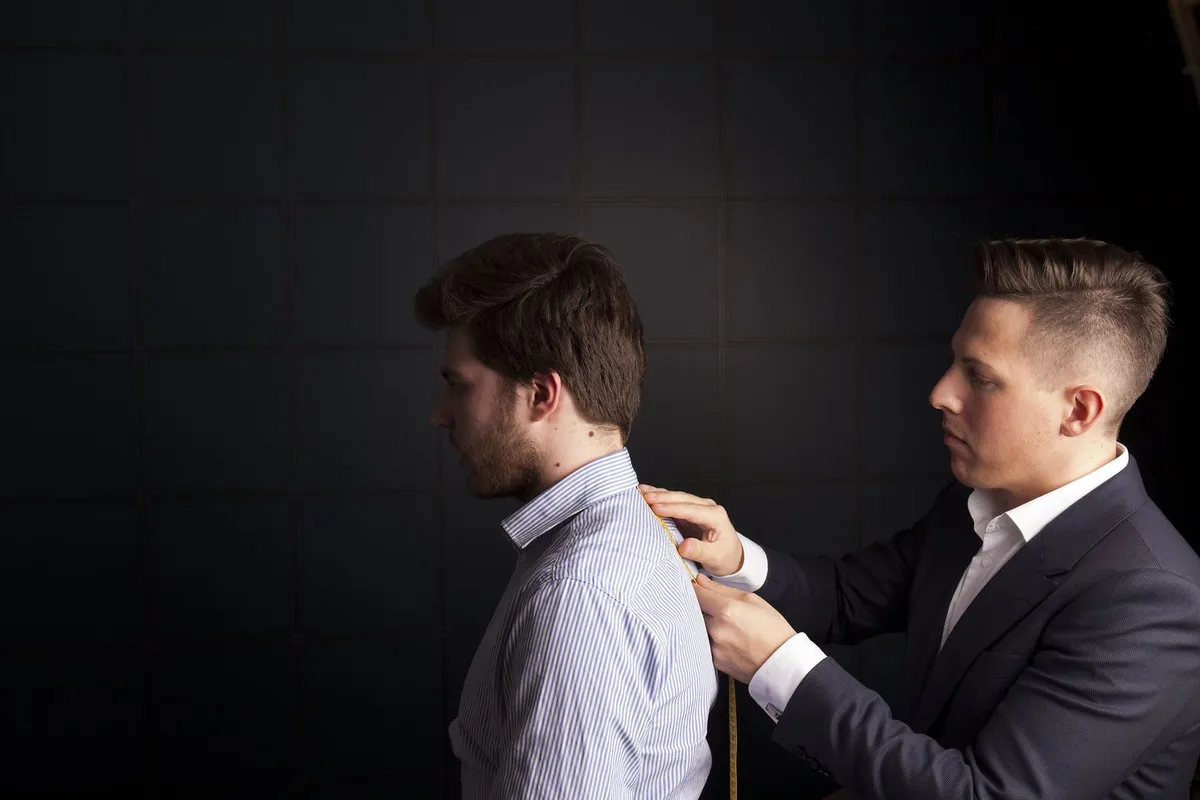
Above all, find a good tailor and keep him. As the old line has it, "an architect is only as good as his builder, and a fashion designer is only as good as your tailor." A modest suit that has been properly fitted looks better than an expensive one that has not.
Trousers, belts and side tabs
Belt loops are optional. If you have a decent tailor, consider side tabs, the adjusters sewn into the waistband that let you go without a belt. They are surprisingly practical for junior bankers, who spend more lunches and dinners hunched over a desk than in the gym. In the United States, though, the general rule is to wear a belt.
Whatever holds your trousers up, nothing garish. That includes monogrammed silver buckles and logos. The story goes that a first-year analyst once walked across a trading floor wearing a Gucci "G" belt buckle. "Hey bubba, I didn't know The Gap made belts," a trader called out. "Um, it's Gucci," the kid snapped back, and realized as he said it that he had made things worse in front of half a dozen people. He never earned a modicum of respect after that, and left the firm less than a year later.
No suspenders. Period.
Dress shirts for men: fit, collars and undershirts
If possible, have your shirts made. The value of a custom shirt far exceeds the cost. Whoever makes them, make sure they are tapered. If you want to see how ridiculous a blousy shirt looks, watch an old episode of *Seinfeld*.
Stick with a stiff spread collar. It works with or without a tie, and with jeans or a suit. No shirt pockets and no button-down collars on a dress shirt; the Oxford button-down is for college professors. Skip the monogram.
The banker's shirt, a blue body with a white collar, is acceptable as long as the blue is not too deep. It works better today in light pink, pale blue or lavender, and without a tie. French cuffs are fine, provided the cufflinks are modest.
For shirts, go to the people who have done nothing else for over a century: Turnbull & Asser of Jermyn Street, founded in 1885, or Charvet in Paris, which has cut shirts since 1838. Have new ones made every year and donate the old ones to a charity that provides interview clothes and career help to men who need them, such as Career Gear.
Finally, wear an undershirt, even if you do not sweat. Hygiene and appearance aside, it will significantly prolong the life of your dress shirts. Choose one long enough to stay tucked. Sunspel and Zimmerli make the best, in fine cotton that keeps sweat away from the shirts that matter.
How to tie a tie, and which ties to wear
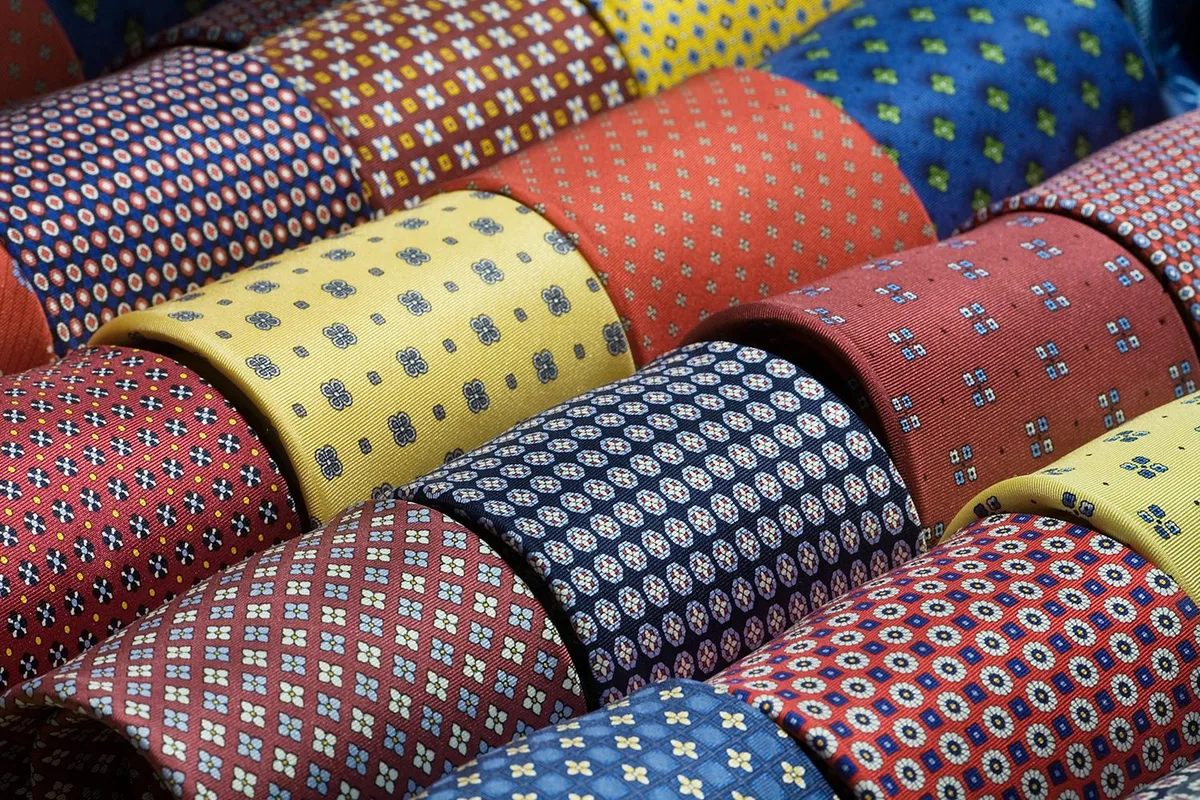
It is all about the half-Windsor knot: small, symmetrical and neatly triangular. A full Windsor also works, depending on the thickness of the tie and the spread of the collar. Skip the deliberate dimple that creases the knot.
The correct length is to the middle of the belt buckle. Do not wear a tie every day unless you have to, but always keep a spare in your desk drawer. Everyone has a favorite tie; do not wear it every week.
As for brands, the unwritten rule at banks is that you do not wear an Hermès tie until you have some clout. You have to earn it. Until then, play it safe with something understated from Zegna or Giorgio Armani.
Dress shoes for men: what to wear with a suit
No wingtips, no monk straps and no square toes. Stick with loafers. They are more comfortable and more convenient, and the old idea that they lack the formality of lace-ups expired long ago. Keep them classic; Prada and Gucci make the standard.
If you are not confident in your eye, wear black shoes with a suit and a safe shade of brown with business casual. There is no need to attempt hazel brogues with a bright blue suit. Most men cannot pull it off.
Do not be cheap with shoes, either. Women notice. Good shoes last three or four times as long as cheap ones; the arithmetic is not difficult. Edward Green, John Lobb and Gaziano & Girling are where to begin. Then protect them: cedar shoe trees are an absolute must, especially when you travel. They absorb moisture, prevent creasing and materially extend the life of the shoe. Buy them from the shoemaker, shaped to his own last.
One more thing. Do not wear shoes so distinctive that people can recognize you under a bathroom stall.
Socks and underwear
Statement socks are dumb. They do not add personality or fashion sense. They just make you look British.
Pairing, sorting and color-matching socks is also a waste of time and energy. Throw out every sock you own and buy twenty identical pairs of plain black, calf-length socks. Replace them all every six months. Nothing beats starting the day in crisp, new socks.
There is one non-negotiable: wear socks. The no-socks look breaks the dress code at many banks and corporate offices, and in business casual the rule is the same. Wear whatever socks you want, but wear socks.
While you are in that neglected top drawer, replace your underwear too.
Business casual for men: what to wear
Business casual is where most men go wrong, because there are fewer rules to lean on. A few will cover almost everything:
- Jeans over khakis. Office permitting, a well-fitting pair of dark jeans looks sharper than chinos. Khakis belong to the man whose résumé still lists his fraternity investment club. Outside the United States, lose the khakis altogether.
- A blazer that is not a suit jacket. Try a one-button jacket with a peaked lapel. It looks right in the office and out at night.
- Sweaters, yes. A sweater over a collared shirt is fine. Make it cashmere.
- No turtlenecks. There is no such thing as turtleneck weather.
- No golf shirts. Save the country club logo shirts for the weekend. Nobody wants to watch grown men mime golf swings in the office, least of all during the Masters.
- No Vineyard Vines, unless you still quote Will Ferrell films.
- No going-out shirt. There is no such thing, especially on a first date.
Watches and accessories
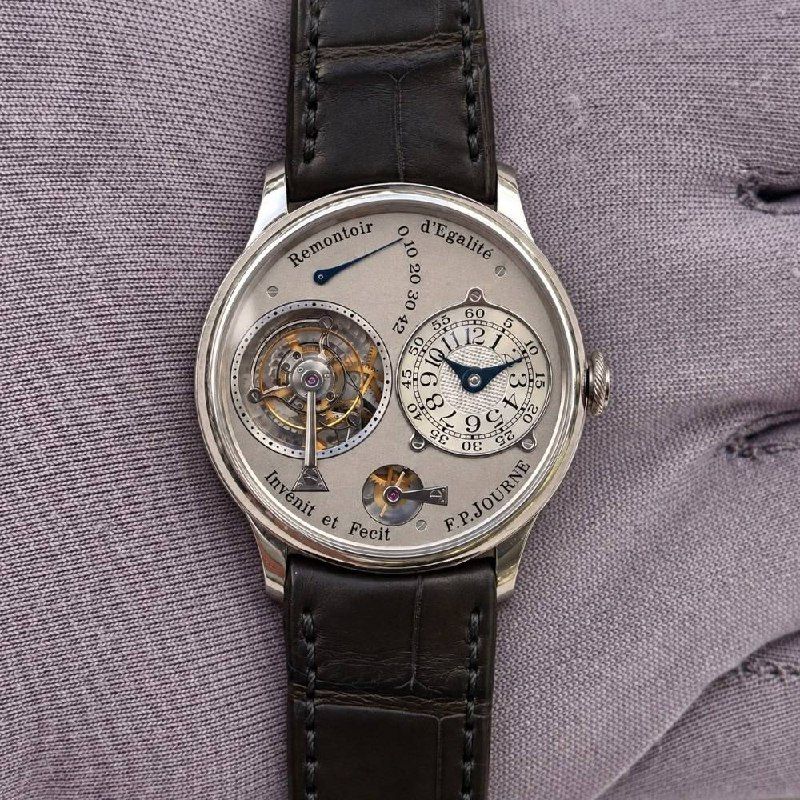
A watch serves a purpose. Presenting yourself as high-status makes you appear more attractive, and a good watch is one of the few ways a man can do it quietly. Choose carefully, though, because a watch says more about you than you think. There is a full field guide to [watch brands explained as car brands](/a/watches-explained); the short version follows.
The Submariner is the unofficial starter watch for young bankers, and timing matters. One associate showed up in a new Daytona the week before bonuses were paid. "If you want watches to matter, go work at Morgan Stanley," a senior banker told him, and that was the end of the smirk. Avoid Panerai, the action-hero watch for men who brag about cheating on their wives. Skip Hublot entirely; it tells people you have more money than taste. Plenty of senior men wear a plain sports watch on purpose, or no watch at all. Not wearing a watch is the new Patek.
Other than a watch, cufflinks and a wedding ring, no jewelry. The only thing worse for a woman than meeting a man she likes with a ring on his wedding finger is meeting one with a ring on any other finger.
Expensive sunglasses tell women you appreciate nice things and are responsible enough not to lose them. Choose a frame with some history behind it, such as the folding Persol 714 that Steve McQueen wore in *The Thomas Crown Affair*, or, rarer still, a limited run from Jacques Marie Mage.
Backpacks may be fashionable for grown men, but not with a suit. Get an adult bag, and while you are at it, lose the canvas banker tote. A slim leather document case from Valextra of Milan or Smythson of Bond Street carries a laptop and papers and looks right with a suit.
What to wear to the gym
The era of baggy shorts is over, and mesh shorts are acceptable only at a beach resort. Retire the Ivy League apparel; nobody cares where you went. On brands, Nike is boring and Under Armour is for men who think Chateaubriand is a French cabernet. Buy plain, well-cut shorts and shirts with no slogans.
Then spend less time on a treadmill and more time playing a competitive sport. The squash court is an extension of the office.
Grooming and the small things
The details are where a good wardrobe is won or lost:
- Haircut every three to five weeks. If you have problems up top, shave it or transplant it.
- Moisturizer in your desk or gym bag. Always, and from Sisley or Augustinus Bader.
- Cologne, barely. No one should smell you from five feet away or five minutes after you have left the room.
- No flip-flops unless you are within walking distance of a beach.
- A tuxedo before you are thirty. Then stay that size.
- No bow tie unless it is black tie.
- Send out your laundry. Time is too short to do your own.
- Leave a jacket on your chair. If a spare jacket hangs on the back of your desk chair, nobody can be sure whether you have left for the day or are at a long lunch.
For the history behind all of this, from the drape of a lapel to the width of a tie, read Bruce Boyer's *True Style: The History and Principles of Classic Menswear*. It explains why the classic rules have lasted so long, which is the best argument for following them. And if you are spending money anyway, here are the [things worth spending money on](/a/expensive-but-worth-it).
The safe zone is the point
None of this will get you photographed outside a fashion show. That is not the goal. On Wall Street and in business generally, clothes are there to remove doubt. A man in a fitted navy suit, a crisp spread collar, a neat half-Windsor and polished black loafers gives nobody a reason to underestimate him. Then the conversation can turn to what matters: the work. If you are just starting out, here is [why Wall Street is still a great place to start a career](/a/wall-street-great-place-to-start-career).
How to dress like a man: common questions
How should a man dress for work?
Keep it simple. Wear a two-button, single-breasted navy or grey suit, a tapered shirt with a spread collar, a tie in a small half-Windsor knot and black loafers. In business casual, swap the suit for dark jeans and a cashmere sweater or a blazer that does not look like a suit jacket.
What is business casual for men?
Dark jeans or tailored trousers, a collared shirt, a sweater or a one-button blazer, and loafers. No khakis if you can avoid them, no golf shirts, no fleece vests, no turtlenecks, and always socks.
What color suit should a man own first?
Navy, then charcoal grey. After that, add lighter greys and a pinstripe or two. Skip brown suits, double-breasted suits and three-button suits.
What shoes should a man wear with a suit?
Plain black loafers are the safest and most versatile choice. Avoid wingtips, monk straps and square toes, buy quality, and keep every good pair on cedar shoe trees.
How long should a man's tie be?
The tip should reach the middle of the belt buckle. Tie it in a half-Windsor, or a full Windsor with a wide-spread collar, and keep the knot small and symmetrical.
The Graze may earn a commission from qualifying purchases made through links in this article.