Guys Who Wear Vineyard Vines
A field guide to the man in the pink whale shirt: where the brand came from, how to spot the type, and what a grown man should wear instead.
By Beau Brummell · October 31, 2026 · 6 min read
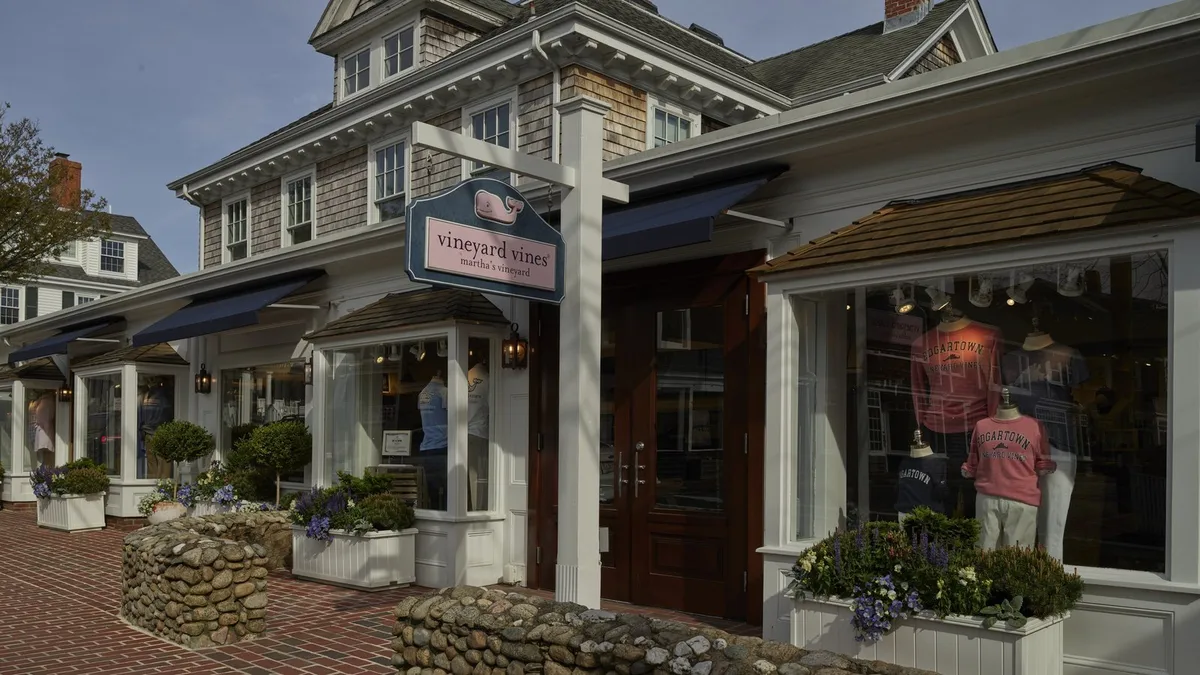
Every brand has a customer. A few, through no fault of their own, acquire a type. Vineyard Vines has acquired one, and anyone who has stood on a trading floor, survived a fraternity party or waited in a receiving line in Fairfield County could describe him without being asked. He is not a villain. He is something more tiring than that: a man who wants you to know where he summers.
The shirts, let me say at once, are not the problem. The problem is what the whale has come to announce.
Where the whale came from
The company was founded in 1998 by two brothers, Shep and Ian Murray, who quit their corporate jobs and began selling neckties on Martha's Vineyard. They had four designs and no shop, and sold from a backpack, their boat or their Jeep. The first proper store opened in Edgartown, the old whaling town on the island's eastern shore. The second opened in Greenwich, Connecticut, which tells you almost everything about whom the clothes were for.
The pink whale swam from the ties onto polos, quarter-zips, swim trunks and fleece vests. The brand now has more than a hundred stores of its own and is sold by hundreds of other retailers. Somewhere along the way the whale stopped meaning "I spent August on the Vineyard" and began to mean something else entirely.

A field guide to guys who wear Vineyard Vines
What follows is not a census of everyone who owns a whale polo. Many decent men were given one at Christmas and wear it to mow the lawn. It is a portrait of a type, and those who have met him will recognise every line.
Guys who wear Vineyard Vines:
- Boast about their high school sports accomplishments.
- Kiss their dogs on the lips but their kids on the forehead.
- Wear flip-flops in Manhattan.
- Tell fraternity stories, at length, to people who were not in the fraternity.
- Leave bathroom stalls with three layers of toilet paper on the seat.
- Bro-hug men they have met once.
- Haze interns unnecessarily.
- Love Will Ferrell movies.
- Give themselves nicknames.
- Bribe college admissions offices.
- Drink White Claw.
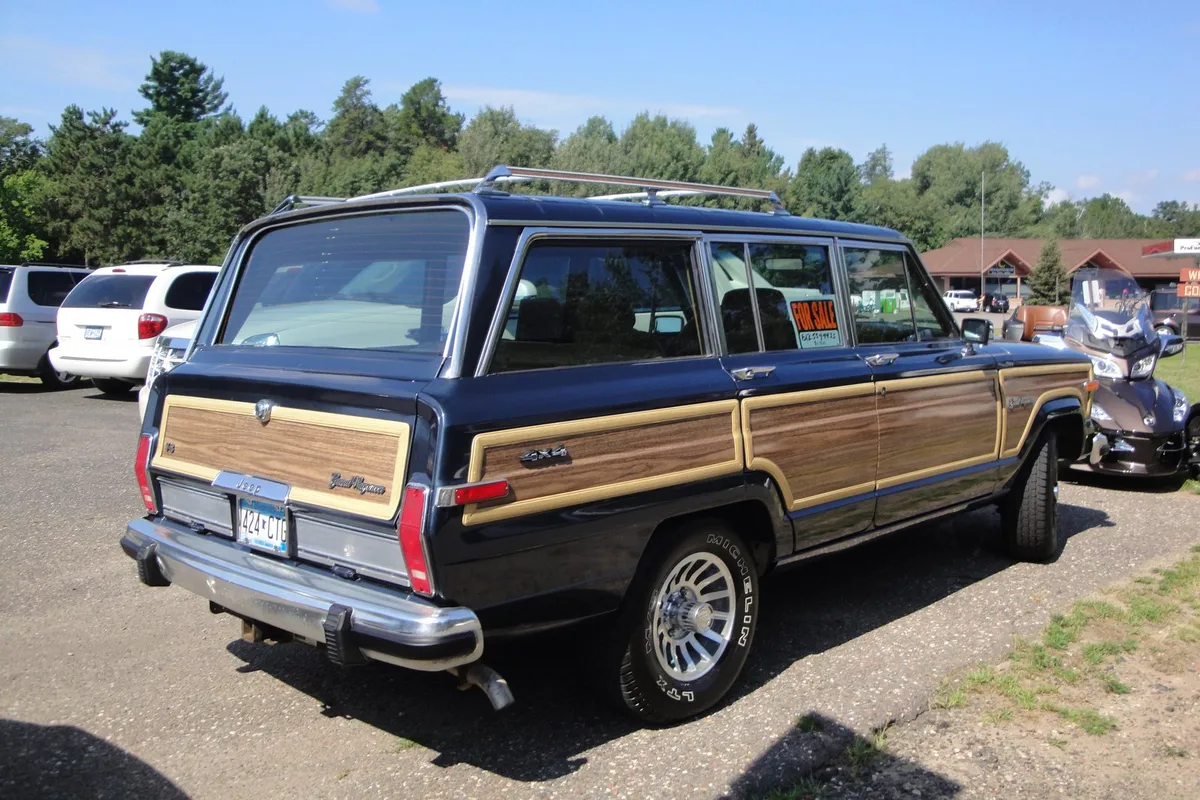
- Leave old prep school stickers on their Wagoneers.
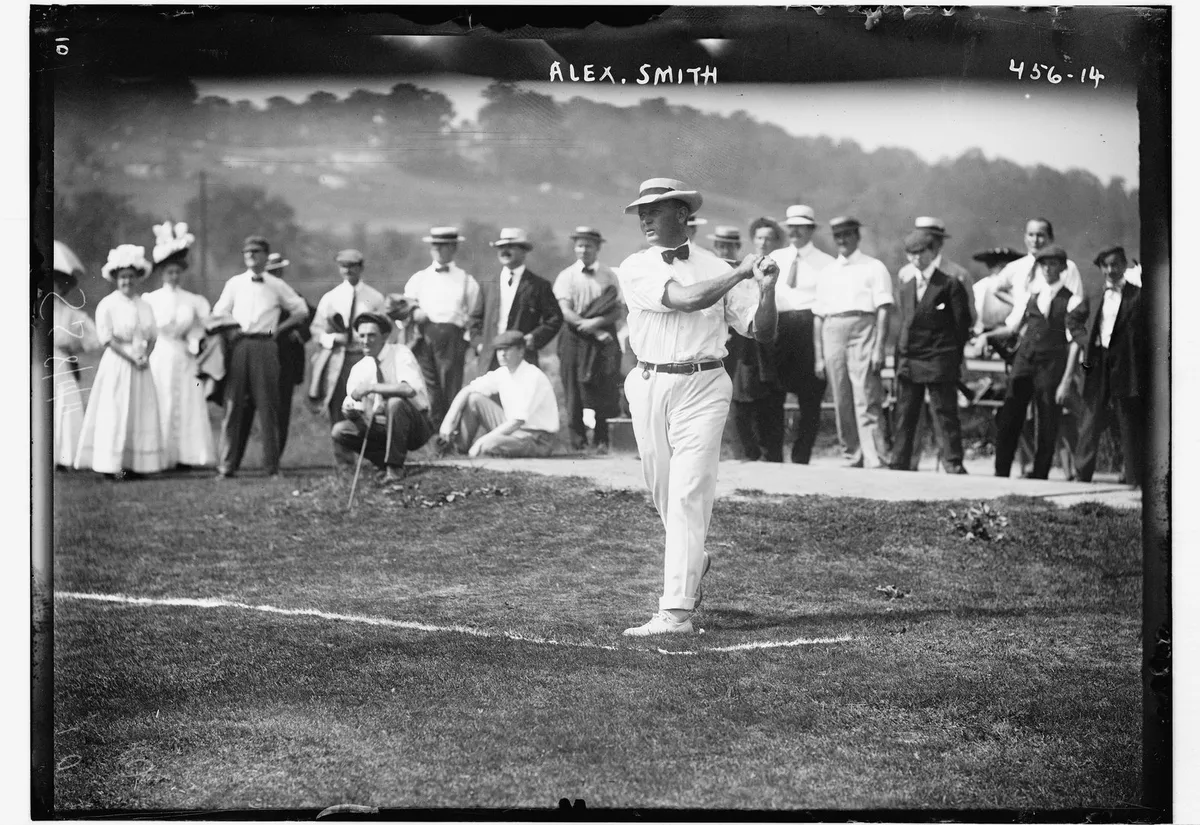
- Mime golf swings in the office.
- Punctuate thoughts with "it is what it is."
- Dress for a wedding as though it were a regatta.
- Repeat the same stories at parties.
- Remark on other men's figures at the gym.
- Give unsolicited advice, even to people who are more accomplished.
- Sign work emails with "Cheers."
- Wear statement socks.
- Live vicariously through a professional sports team.
- Refer to the bathroom as "the head."
- Insult their friends in public to impress a girl.
- Cheat at golf, and on their partners.
The office, the boat and the nickname
The list reads as a joke, and it is one. But most of it describes a single habit: performing a life rather than living it. The self-awarded nickname is the purest example. Nobody gives himself a nickname because his friends forgot to. He does it so that strangers will assume he has the kind of friends who would. A nickname taken from a lacrosse number is not a name. It is a press release for a high school career.
The same instinct accounts for the golf swing rehearsed beside the desk, the fraternity anecdotes and the habit of calling the office lavatory "the head", as if the trading floor were a 40-foot sloop. Each is a small advertisement for a world he wishes you to know he belongs to. The whale on the chest is the same advertisement, embroidered.
Finance is where the type flourishes. The intern hazing that serves no purpose except the hazer's memory of being hazed. The unsolicited advice, delivered with perfect confidence to people who have done a great deal more. The work email signed "Cheers" by a man from Darien who has never lived in England. None of it is a crime. All of it is tiresome, and it tends to arrive in a quarter-zip.
The car, the drink and the socks
The Jeep Grand Wagoneer is a fine motor car. With its wood-grain flanks it is one of the handsomest American vehicles of the last century, which is why it has become a fixture of the prep school car park. The trouble is the sticker. A man in his forties who still displays his school's decal on the rear window is telling you that the best years of his life ended at eighteen, and that he would be delighted to discuss them.
Statement socks belong in the same file. They are a way of having a personality from the ankle down, which is usually a sign of some shortage from the ankle up. Flip-flops in Manhattan are worse. A city pavement is not a dock, and nobody on the subway has asked to meet your toes.
What to wear instead
The remedy is simple, and none of it involves a whale. A gentleman's summer wardrobe should be quieter than he is: solid shirts that fit, trousers or shorts with a sensible inseam, and leather shoes or plain sneakers. Logos are for racing cars and children's lunchboxes. If the clothes are good, people remember the man. If the man is good, nobody needs to know where he went to school.
Begin with the shirt, because it does most of the work. A shirt made to your measure sets the standard, and two houses have set it longest: Turnbull & Asser of Jermyn Street, founded in 1885, and Charvet in Paris, which has cut shirts since 1838. Plain white, pale blue, a quiet stripe. Nothing embroidered, and nothing that could be mistaken for a souvenir.
Next, the feet. Retire the flip-flops in favour of a leather loafer, worn without socks from May to September. The penny loafer was on prep school feet long before the whale; J.M. Weston's 180 and Edward Green's Piccadilly are the finest expressions of it.
At weddings, where the type is at his most exuberant, the rules are simpler still. A suit that fits, a white or pale blue shirt, a plain tie, and black or dark brown shoes that someone has polished: a cap-toe oxford such as Edward Green's Chelsea or John Lobb's City II, with a plain calf belt to match. It goes with every suit and is correct at every wedding. No novelty ties, no seersucker as a joke, and nothing with a lobster on it unless you are the groom and it is your lobster.
For the reasons the quiet version always wins, read the book that taught a generation of men how classic clothes work.
For the complete rules, see the 125 style tips for men and the guide to how to dress like a man at work. If the man in the whale polo is also wearing cargo shorts, the final word on cargo shorts applies, as does the list of 40 things a man should never wear.
What to do with the old ones
Most men have a whale somewhere in the wardrobe: a fleece vest from a corporate offsite, a tie from a well-meaning aunt, swim trunks from a bachelor weekend. My advice is generous.
The clothes will do some good in the world, and you will be free of the type, which is the real point. No man has ever been taken more seriously for wearing a pink whale.
The Vineyard Vines guy: common questions
What is the Vineyard Vines guy stereotype?
The pink-whale preppy: a prep school and fraternity alumnus, often in finance, who tells sports stories, gives himself a nickname, wears statement socks and mimes golf swings in the office. It is a portrait of a type, not of everyone who owns the clothes.
Who founded Vineyard Vines?
Brothers Shep and Ian Murray started the company in 1998, selling neckties on Martha's Vineyard from a backpack, their boat or their Jeep. Their first store opened in Edgartown, followed by Greenwich, Connecticut.
Why is Vineyard Vines associated with finance and prep school?
The brand grew from Martha's Vineyard and Greenwich, and its polos, quarter-zips and fleece vests became a uniform at Northeastern prep schools, colleges and Wall Street firms.
What should men wear instead of Vineyard Vines?
Plain shirts that fit, with no logo, trousers or short chino shorts, and leather loafers or plain sneakers. Clothes should be quieter than the man wearing them.
What should I do with old Vineyard Vines clothes?
Donate them. A shelter or charity shop can use them, and you get the space back in your wardrobe.