Seven Classic Cocktails Every Man Should Know How to Make
Beau Brummell · October 31, 2026
A man should be able to make a proper drink in his own house. Not forty drinks, and not anything involving a smoke gun, edible glitter or a syrup he read about on his phone. Seven drinks, made well, from bottles he keeps on hand, cover every occasion from a quiet Tuesday to a dinner for eight. What follows are those seven, with the specifications good bars use, the bottles worth buying and the few tools that make the difference.
The cocktail is an American invention. In my day a gentleman drank claret at dinner and port after it, and the idea of mixing spirits with sugar and bitters would have been regarded in St James's as an American eccentricity. It was, and the Americans were right.
Before you start: four rules
First, measure. The best bartenders in the world use a jigger for every pour, because a cocktail is a recipe, not a mood. Second, use more ice than seems reasonable, and good ice: large, clear, cold and fresh from the freezer, never the cubes that have been absorbing the smell of the fish fingers since March. Third, citrus must be squeezed the same day; nothing from a bottle. Fourth, keep vermouth in the fridge. It is wine, it oxidises, and an open bottle on the bar cart since last Christmas is the reason most home Manhattans taste of cough syrup.
The seven
1
The Martini
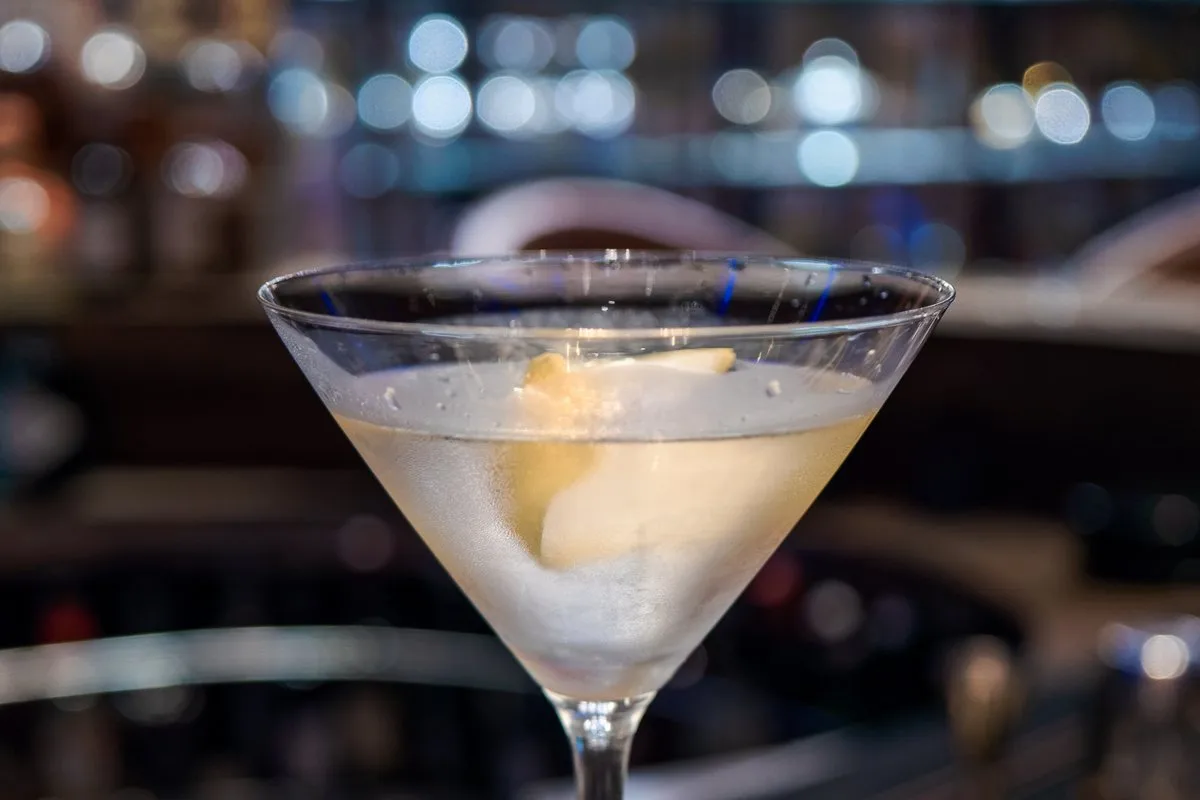
2½ oz London dry gin, ½ oz dry vermouth, a dash of orange bitters. Stir with ice for thirty seconds, strain into a chilled coupe or Nick & Nora glass and finish with a lemon twist, expressed over the top.
The martini is the test of a bar and of a host. The modern consensus is a little more vermouth than the dry martini of the 1950s, when the joke was to wave the vermouth bottle at the glass, and the drink is better for it. Tanqueray No. Ten and Plymouth are the gins to keep; Dolin is the vermouth. Vodka is permitted, but nobody has ever been impressed by it.
Photo: Melvin Loi / Wikimedia Commons, CC BY-SA 2.0
2
The Old Fashioned
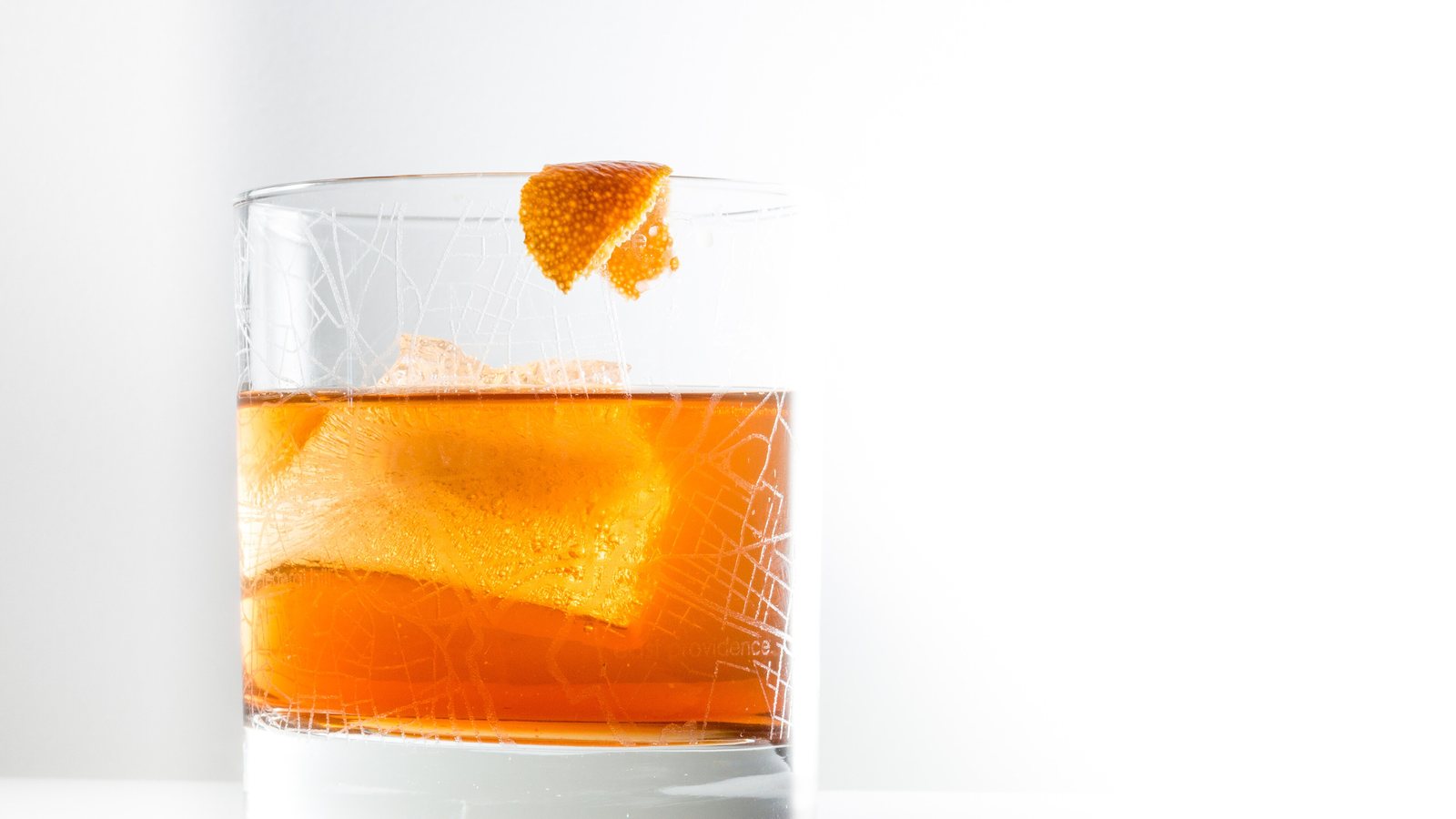
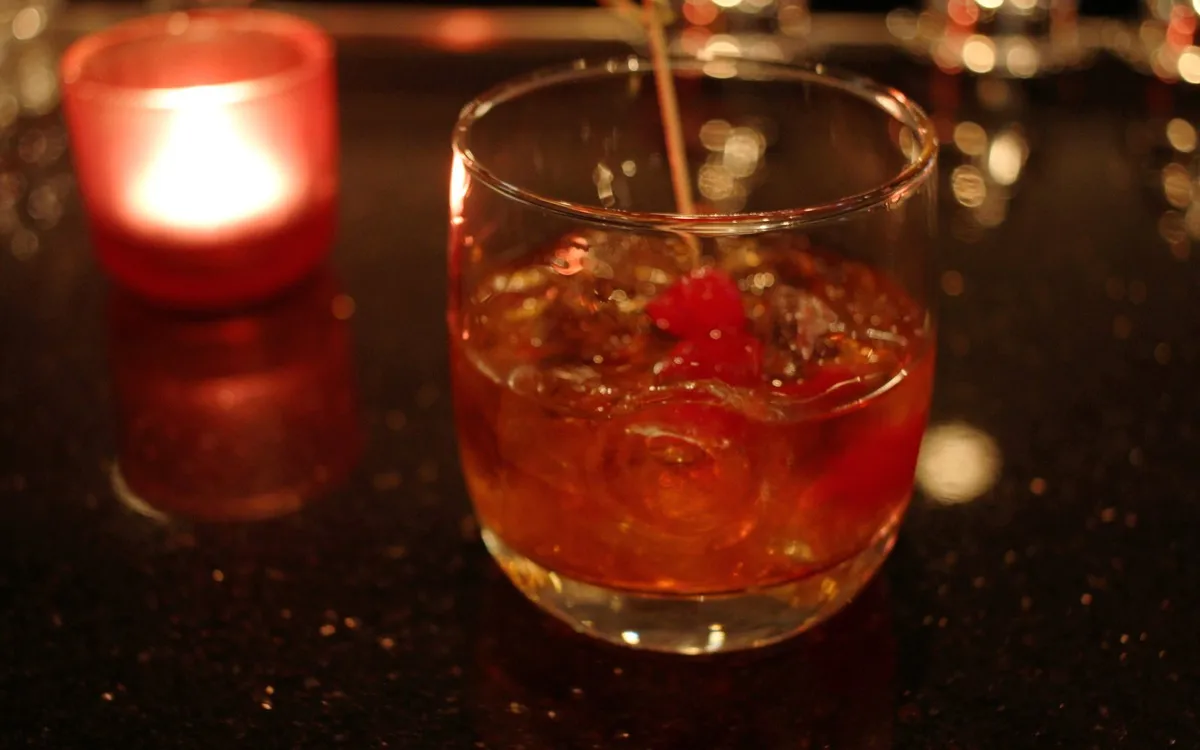
2 oz bourbon or rye, a barspoon of rich demerara syrup, two dashes of Angostura bitters. Stir over one large cube in a heavy rocks glass, and finish with a wide strip of orange peel.
This is the closest surviving drink to the 1806 definition, and the one to learn first. What it is not is a fruit salad. Muddled cherries, orange wheels and a splash of soda are a post-Prohibition corruption. Michter's and WhistlePig are good places to start; a wheated bourbon makes it softer, a rye makes it drier.
3
The Negroni
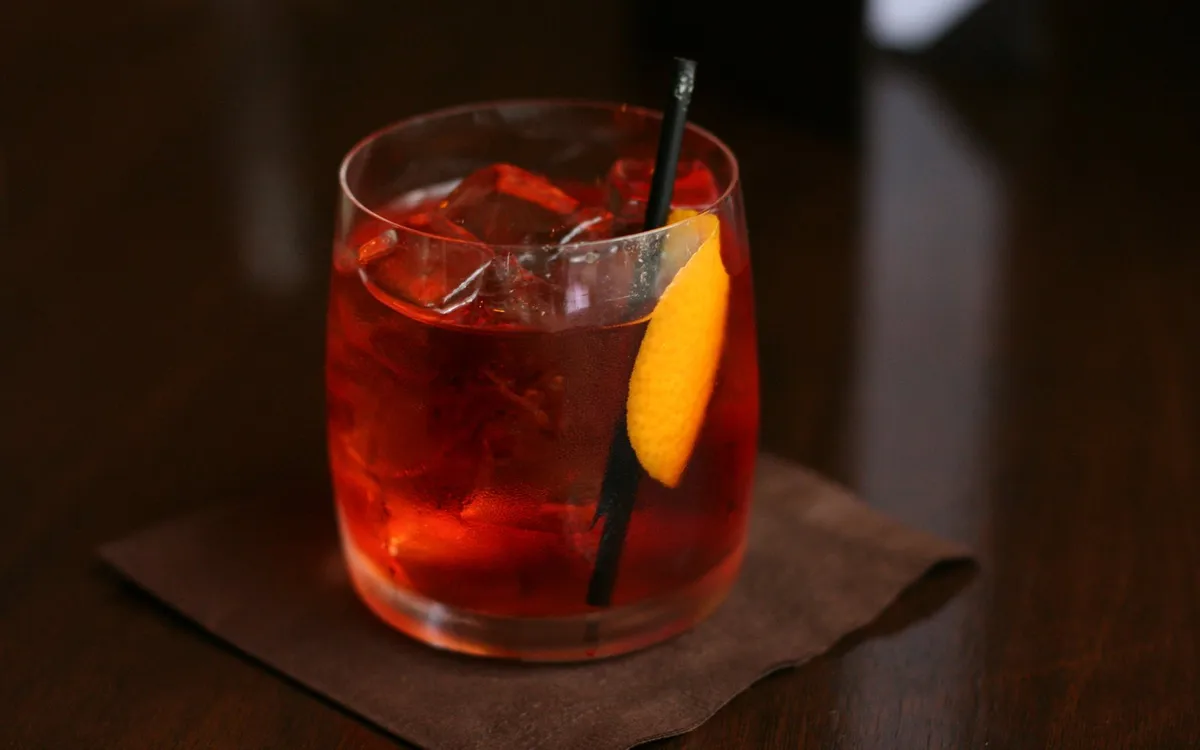
1 oz gin, 1 oz Campari, 1 oz sweet vermouth. Stir with ice, strain over a large cube and garnish with a slice of orange.
Equal parts, impossible to get wrong and the best aperitif ever devised. Tradition credits Count Camillo Negroni, who asked a Florentine bartender to stiffen his Americano with gin around 1919. Cocchi Vermouth di Torino or Carpano Antica Formula is the vermouth. If the evening is long, swap the gin for prosecco and you have a Sbagliato, which is lighter and every bit as good.
Photo: Geoff Peters / Wikimedia Commons, CC BY 2.0
4
The Daiquiri
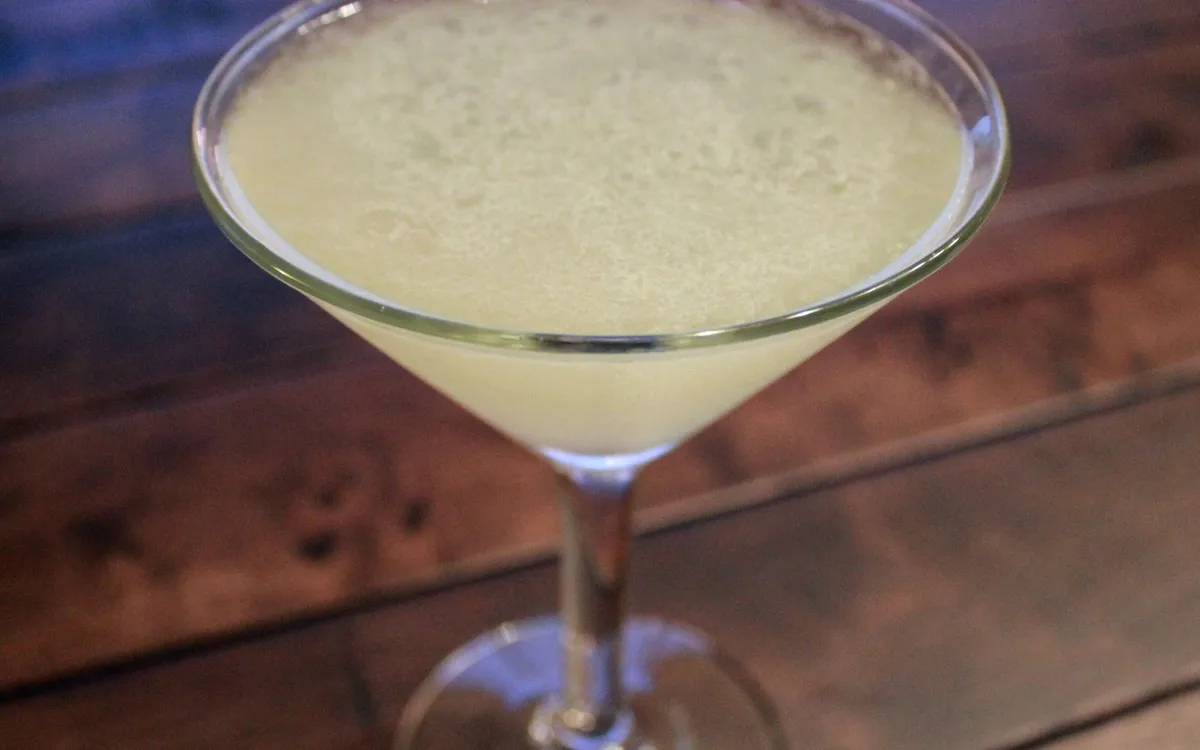
2 oz white rum, 1 oz fresh lime juice, ¾ oz simple syrup. Shake hard with ice and strain into a chilled coupe.
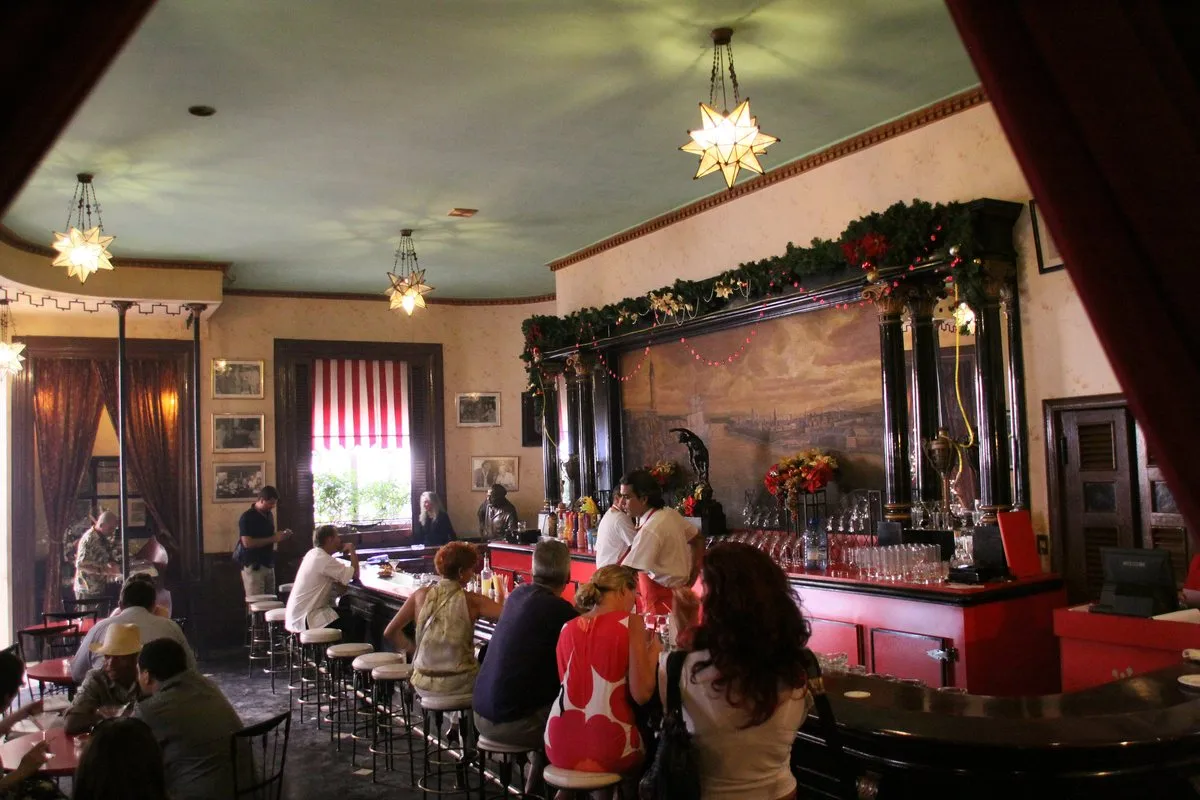
Forget the frozen, strawberry-flavoured thing served by the litre on a cruise ship. The real daiquiri is three ingredients, sharp, cold and gone in four sips, and it is the best single test of whether a bartender knows what he is doing. It was named after a beach near Santiago de Cuba and perfected at El Floridita in Havana, where Constantino Ribalaigua Vert made them for Hemingway. Use a good light rum such as Banks 5 Island or Planteray 3 Stars.
Photo: Will Shenton / Wikimedia Commons, CC BY-SA 3.0
5
The Manhattan
2 oz rye, 1 oz sweet vermouth, two dashes of Angostura bitters. Stir with ice and strain into a chilled coupe. One good cherry, a Luxardo, not the neon kind.
The Manhattan is the martini's darker, warmer cousin and the drink for a cold evening. Rye was the original whiskey and is still the right one; bourbon makes it sweeter. It is also the drink most improved by fresh vermouth, which is the whole argument for keeping the bottle in the fridge.
Photo: Gary J. Wood / Wikimedia Commons, CC BY-SA 2.0
6
The Mint Julep
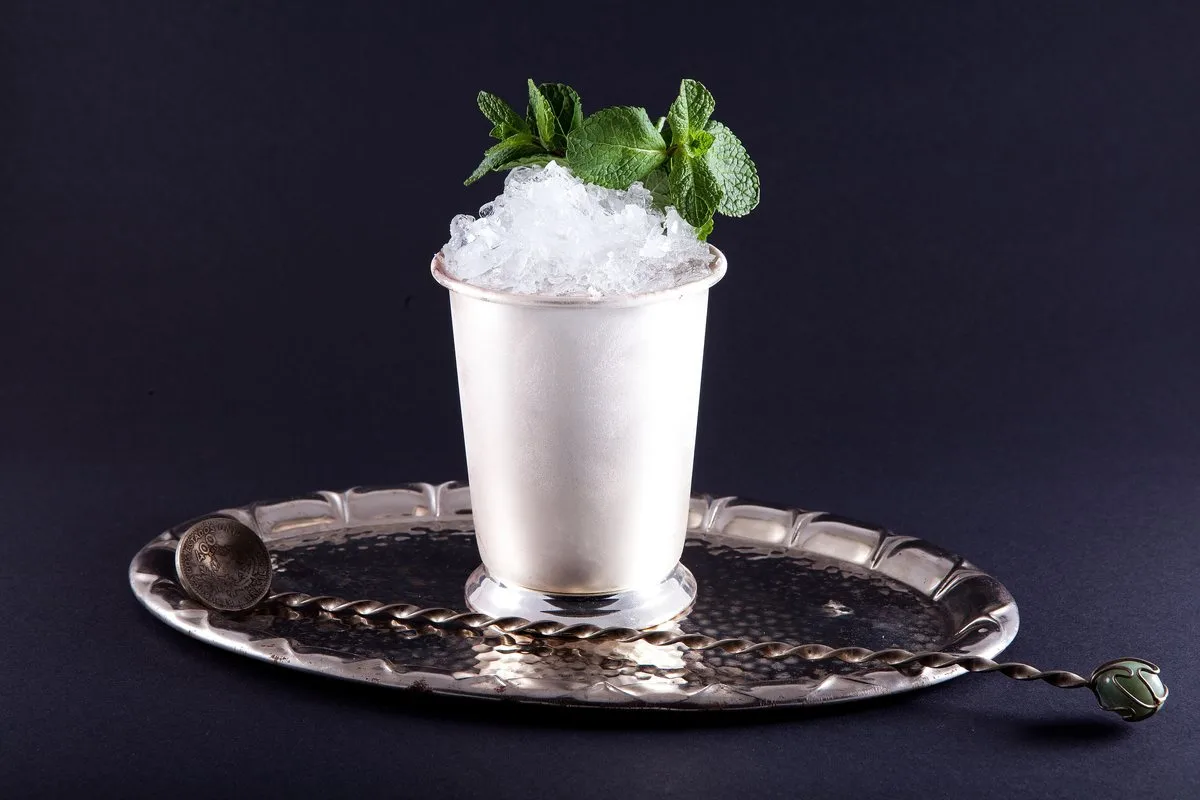
2½ oz bourbon, ½ oz simple syrup, eight to ten mint leaves. Press the mint gently with the syrup in a silver julep cup, add the bourbon, pack with crushed ice until it mounds over the rim and garnish with a generous bunch of mint, slapped once to wake it up.
The drink of the Kentucky Derby, and the best reason to own a silver cup. The cup frosts, the ice melts slowly and the drink is as much aroma as taste, which is why the mint goes on top, next to the nose. Make it once a year, on the first Saturday in May, and make it properly.
Photo: Erich Wagner / Wikimedia Commons, CC BY-SA 4.0
7
The French 75
1 oz gin, ½ oz fresh lemon juice, ½ oz simple syrup. Shake with ice, strain into a flute and top with three ounces of dry Champagne.
Named after the French 75-millimetre field gun of the First World War, because it hits with similar precision. It is the right drink for a celebration that would otherwise be a glass of Champagne, and it makes a non-vintage Champagne taste like something better. A brut such as Pol Roger or Billecart-Salmon is plenty; save the vintage for drinking on its own.
A brief word on the Vesper
Every man of a certain age has tried to order the Vesper, and most bars make it badly, because Kina Lillet no longer exists. Cocchi Americano is the nearest substitute. It is a fine drink and an enormous one; treat it as an occasional party trick rather than a habit, and stir it, whatever Fleming said.
The bar at El Floridita, Havana, where the daiquiri became famous. Photo: Tony Hisgett / Wikimedia Commons, CC BY 2.0
The bar: what you actually need
The tools are few and should be good. A heavy Japanese mixing glass, a long weighted barspoon, a Japanese-style jigger marked in quarter ounces, a Hawthorne strainer and a pair of weighted shaker tins: Cocktail Kingdom makes the professional standard for all of them. Add a large silicone mould for clear ice, a sharp Y-peeler for twists and a hand juicer. That is the entire kit, and it fits in a drawer.
The glassware matters more than people think. A stemmed coupe or Nick & Nora keeps a cold drink cold and a warm hand away from it; a heavy rocks glass makes an Old Fashioned feel like one. Buy six of each from Riedel, Nude or, for the rocks glasses, Baccarat, and never serve a stirred drink in a pint glass. There is more on glassware and the bottles worth owning in How to Drink Like a Gentleman.
The bottles are the short list implied above: a London dry gin, a bourbon, a rye, a light rum, Campari, a dry and a sweet vermouth, Angostura and orange bitters, and a bottle of Champagne in the fridge. Ten bottles, seven classic drinks and every guest accounted for.
Hosting with cocktails
Choose one drink for the evening and make it well, rather than taking orders like a short-staffed hotel bar. Batch it in advance if there are more than six of you: stirred drinks can be mixed, diluted with about a fifth of their volume in water and kept in the freezer, then poured straight into chilled glasses. Have something good and non-alcoholic on hand as well; in 2026 there is always someone at the table who is not drinking, and a proper alcohol-free option is a courtesy, not a concession.
Then stop at two. A martini is strong, and the host is the one person at the party who must remember it.
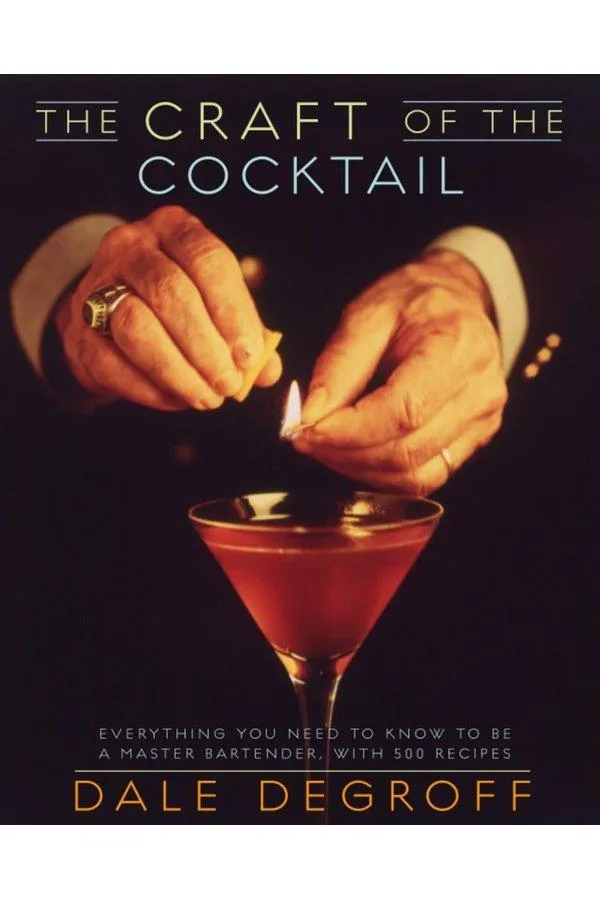
The house bible of the New York bar that set the standard for the modern cocktail revival. The specifications are exact and the method sections teach more than most bartending courses.
Learn seven drinks. Measure everything, use good ice, squeeze citrus the same day and keep the vermouth cold. Stir spirits, shake citrus, serve in the right glass, and stop at two.