BYD's electric hypercar becomes the first production car past 500 km/h
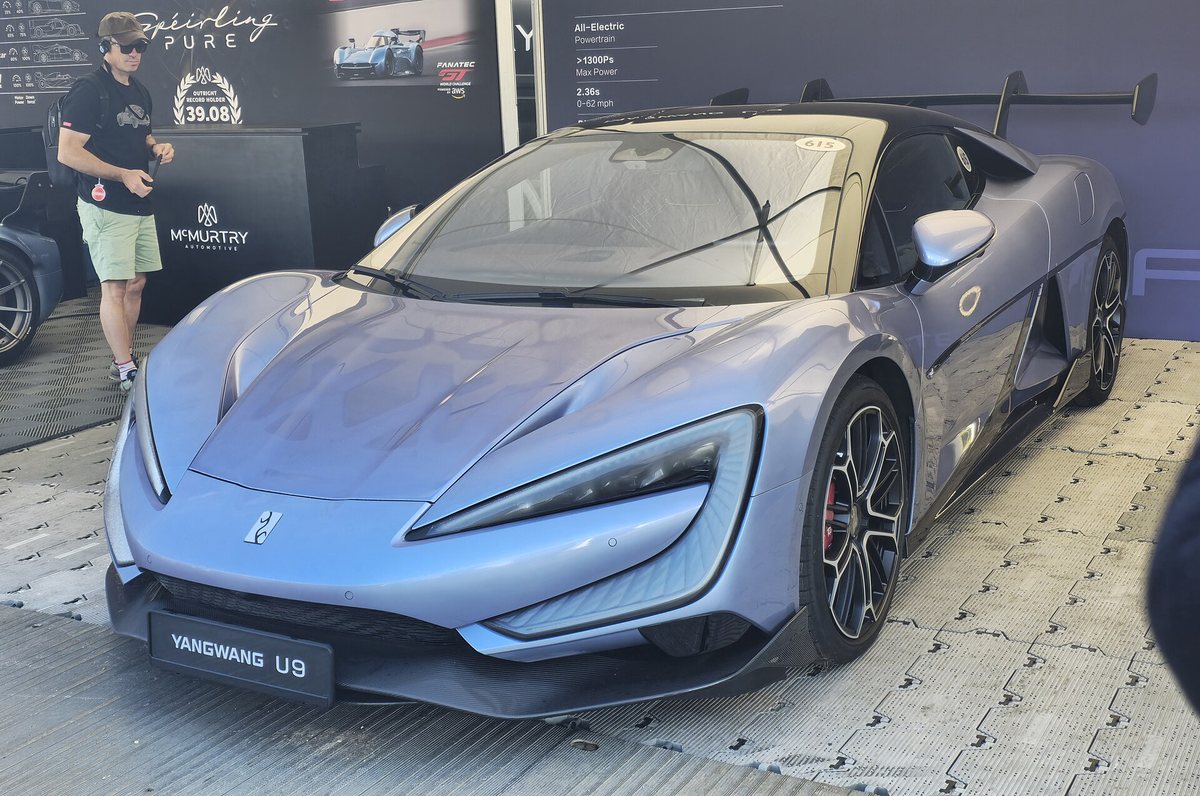
A Chinese car has gone faster than any production car before it. On November 1, on a closed stretch of desert highway in Abu Dhabi, BYD's Yangwang U9 Xtreme hit 503.17 km/h, or 312.65 mph. It is the first production car to pass 500 km/h, and the FIA, motor sport's governing body, has recognised the speed.
It came only days after BYD released footage of one of these cars crashing into a guardrail during an earlier high-speed test. Electrek reported that the car was doing about 280 mph and that the driver walked away unharmed.
How it was done
Abu Dhabi closed a 10-kilometre section of the Sheikh Khalifa Bin Zayed International Road (E11) in the Al Dhafra region, giving the team a seven-kilometre straight. The posted limit on that road is normally 160 km/h. German racing driver Marc Basseng, who set the car's previous mark, drove again.
It took two days. On October 31, two runs topped out at 490 km/h. Overnight, engineers adjusted the aerodynamics, suspension and tyre pressures. On November 1, Basseng made two more runs, and the second reached 503.17 km/h. That beats the 496.22 km/h the same car set at Germany's ATP Papenburg proving ground in September 2025.
The machine
The U9 Xtreme is the track version of BYD's flagship supercar from its luxury brand, Yangwang. It uses four independent electric motors with a combined output of more than 3,000 PS. It runs on a 1,200-volt system with torque vectoring, active suspension and special tyres developed with Giti Tire. It also holds the lap record for production electric cars at the Nürburgring Nordschleife, at 6 minutes 59.157 seconds.
The climb has been quick. The original U9 reached 309 km/h in testing in January 2024 and 391.94 km/h at Papenburg that October. The Xtreme ran 472.41 km/h in August 2025 and 496.22 km/h a month later.
The asterisk
Guinness lists the run as two records: highest speed by a production car and by an electric production car, both in a single direction. That qualifier matters. The traditional production-car top-speed record is the average of two runs in opposite directions, which cancels out wind and slope. That is how Koenigsegg set 447.19 km/h with the Agera RS in 2017. When Bugatti went 490 km/h one way in a pre-production Chiron in 2019, Bugatti itself said it was not an official record.
So this is a one-way number on a borrowed highway. It is still a startling one. Ten years ago the received wisdom was that electric cars could not sustain high speeds without cooking their batteries. A company best known for cheap city cars has now built the fastest production car anyone has measured, and it is electric. Bugatti and Koenigsegg need to answer with a two-way run.
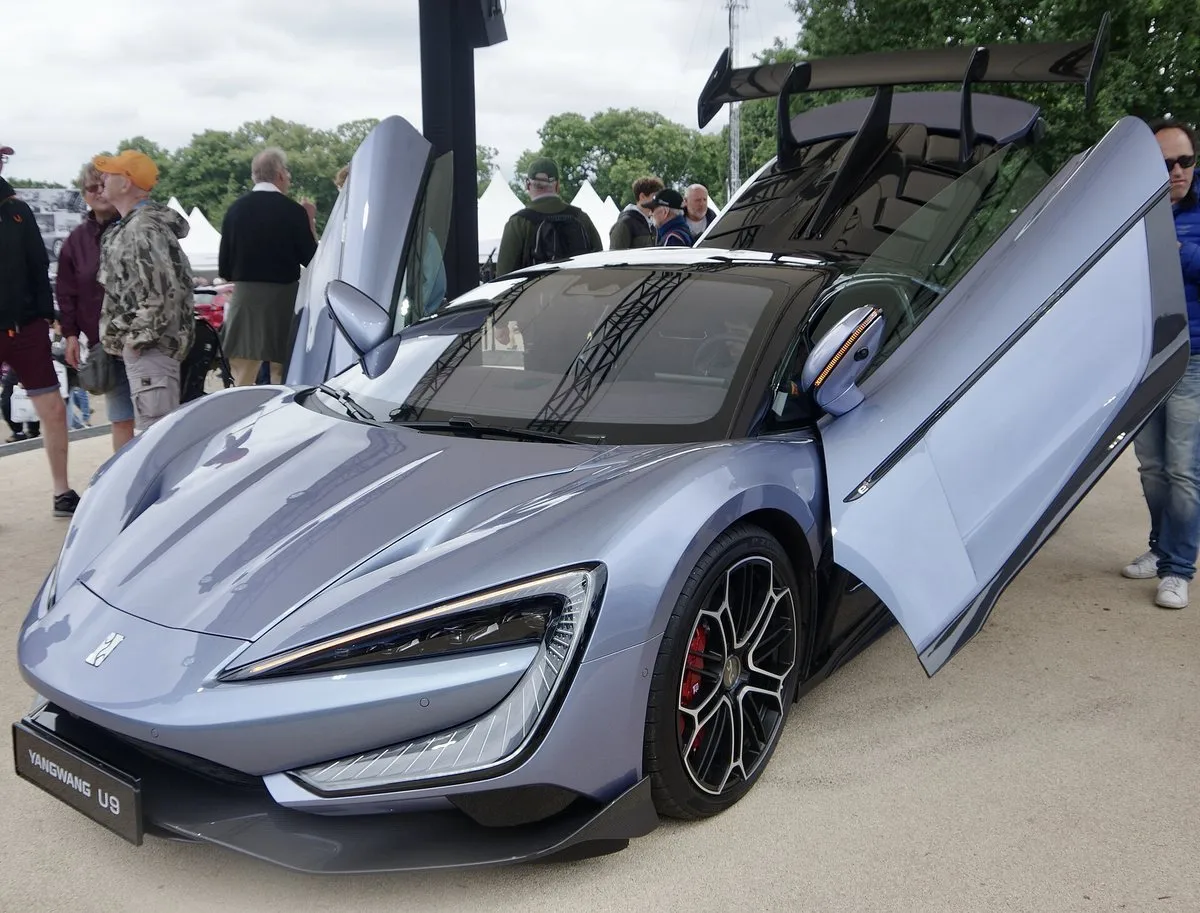
*Image: The standard Yangwang U9. Photo: Calreyn88, CC BY-SA 4.0, via Wikimedia Commons.*
Source: FIA