The Anonymous Billionaires: Why the Richest Men in the Room Are Not on Any List
Every spring a magazine publishes a list of the richest people on earth, and every spring the people on it are, in a sense, the least interesting rich people alive. They are the ones whose wealth can be counted: founders with listed shares, heirs with filings, men who like being on the list. The list is a census of fortunes that agreed to be measured.
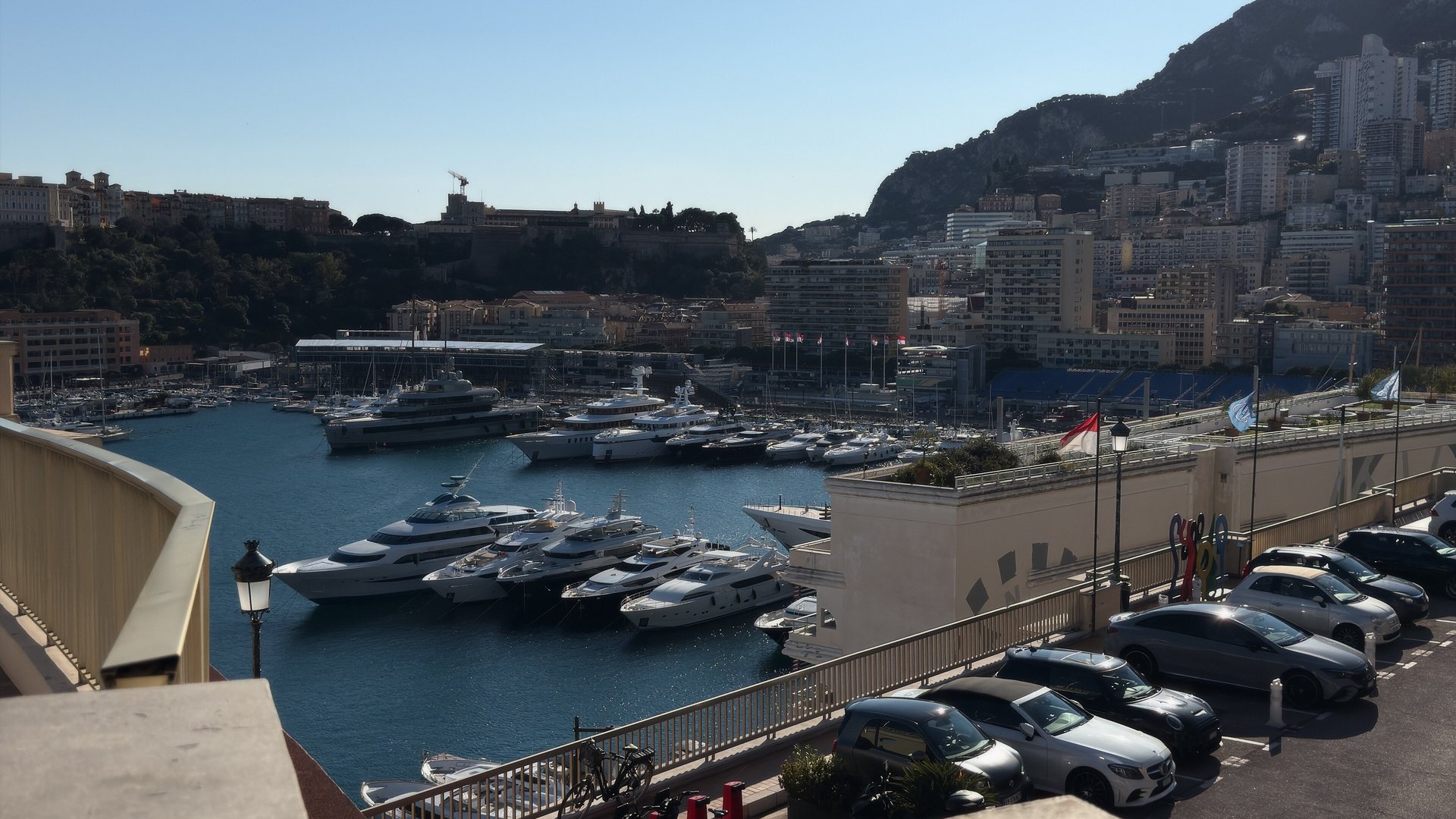
The rest are elsewhere. In family offices with no outside investors. In trusts whose beneficiaries are a matter for the trustee. In holding companies registered at an address in George Town that is shared by several thousand other holding companies. In the harbour at Monaco, on boats owned by entities that own nothing else.
How the lists are made
To understand who is missing, start with how the counting works. Forbes is candid about its method. Its reporters interview billionaires, their staff, rivals and lawyers, and work through securities filings, court records, probate records and news reports. Listed shares are easy. Private companies are valued by estimating revenue or profit and applying the multiples of comparable listed companies, with a discount for illiquidity, and a bigger one when information is thin.
The method depends on cooperation, and cooperation is optional.
Forbes also says it purposely excludes dispersed family fortunes. Old money that has been split across cousins, trusts and foundations for four generations does not appear as a single entry, however much of it there is. The great European banking and industrial dynasties are, in list terms, invisible by design.
Four places a fortune goes to disappear
1. The private company. Own all of a business that never lists and there is no share price, no annual report for the public and no analyst coverage. The valuation is a guess, and the owner has no reason to correct it.
2. The family office. A firm that manages one family's money and takes no outside capital. For years family offices sat outside most of the disclosure rules that apply to hedge funds. They can be enormous and almost silent.
3. The trust and the foundation. Assets held for beneficiaries rather than by them. In many jurisdictions the names never appear on any public register.
4. The offshore company. A company in a secrecy-friendly jurisdiction, owned by another company somewhere else, with nominee directors. Entirely legal in most uses, and entirely opaque.
The fortune nobody saw until it vanished
The cleanest illustration of how much money can hide in plain sight is Archegos Capital Management. Bill Hwang set it up in 2013 as a family office for his own fortune. It used derivatives, swaps with banks, to build enormous concentrated positions in a handful of stocks without owning the shares directly, so the positions never showed up where the market would normally look.
In the government's account, presented at his sentencing, the strategy worked spectacularly for a while.
By the prosecutors' figures, Hwang's personal wealth grew from around two billion dollars to more than thirty billion.
Almost nobody outside a few prime-brokerage desks knew. Then, in March 2021, the positions turned, the margin calls came and Archegos collapsed in days. Banks lost more than ten billion dollars. Bloomberg called it one of the world's greatest hidden fortunes, wiped out almost as soon as anyone learned it existed.
In July 2024 a federal jury in Manhattan convicted Hwang of racketeering conspiracy, securities fraud, market manipulation and wire fraud. Judge Alvin Hellerstein sentenced him to eighteen years in prison and ordered restitution of more than nine billion dollars. Hwang has continued to deny the crimes.
The prosecutors drew the obvious lesson. The case had prompted, they wrote, "a national conversation about the need for Wall Street reforms for so-called 'family offices.'"
The leaks
What we know about the rest comes mostly from accidents. In April 2016 the International Consortium of Investigative Journalists and its media partners published the Panama Papers, some 11.5 million documents from the law firm Mossack Fonseca. They showed, in enormous and tedious detail, how offshore companies are used to hold property, art, boats and bank accounts at one remove from the person who actually enjoys them. Heads of government, footballers, arms dealers and perfectly respectable families were all in there.
In 2021 the same consortium published the Pandora Papers, nearly twelve million records from fourteen offshore service providers. Same machinery, bigger scale.
Most of what the leaks revealed was legal. That is the point. The system works as designed; it simply was not designed for you to see it.
Heirs, operators and villains
It is worth separating the three, because the rich lists do not.
1. Heirs. The largest category and the least dramatic. Old fortunes, spread across generations and structures, managed by people whose job is to keep the family out of the newspapers. Privacy here is a preference, not a crime.
2. Operators. Private-equity partners, commodity traders, founders of companies you have never heard of that supply companies you have. Very rich, deliberately quiet, and usually well inside the law.
3. Villains. Kleptocrats, sanctioned oligarchs, fraudsters. A small group, but they use the same structures as everyone else, which is why the structures are so hard to police.
The tell for the third group is rarely the money. It is the borrowing. Fortunes that cannot be explained tend to be built on leverage that cannot be sustained, and they surface the way Archegos did: all at once, in a margin call, in a courtroom or in a leak.
What this means for the rest of us
The practical lesson is humility about what you think you know. The richest man at a dinner is rarely the one talking about it. The cheque that matters often comes from an entity with an unremarkable name. And the next great hidden fortune is, by definition, one you cannot see yet.