
The Texas Triangle: Why Dallas, Houston, Austin and San Antonio Win the Next Decade
Four metros, 21.8 million people and no state income tax: the case for the next great American economy.
By Beau Brummell · October 31, 2026 · 4 min read
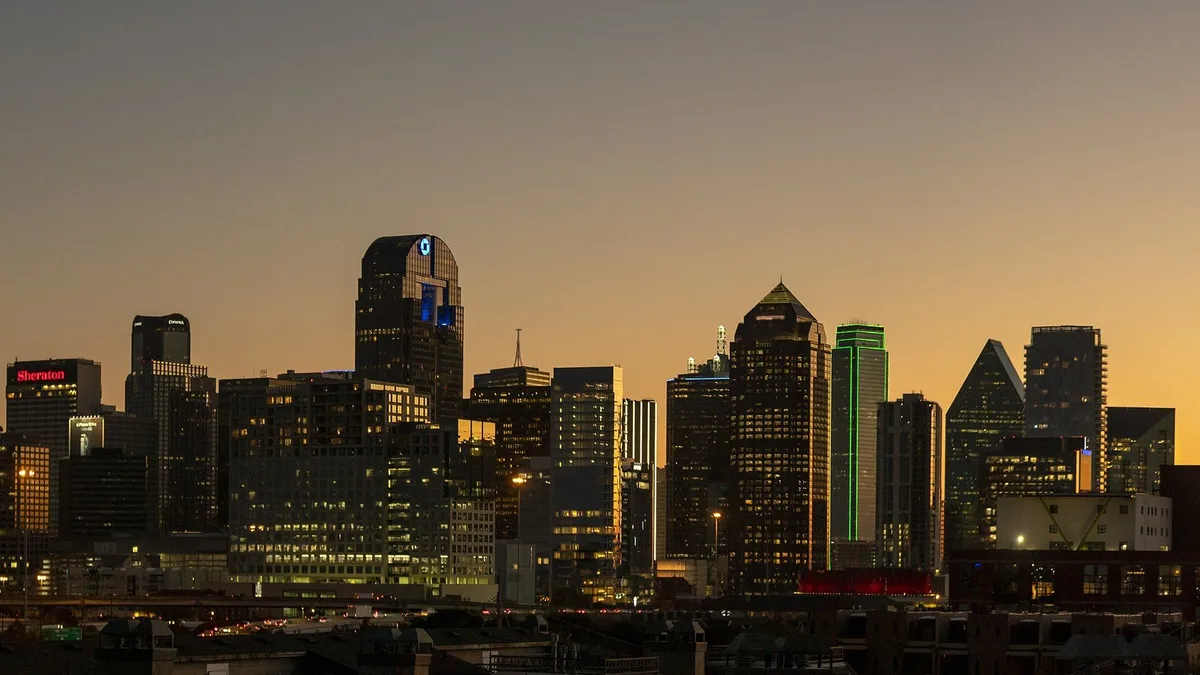
Draw a line from Dallas down to Houston, across to San Antonio, and back up through Austin to Dallas. Inside and along that triangle is the fastest-growing big economy in America.
In October 2026, John LeFevre made the call in one post: "The Texas Triangle will see the biggest economic expansion in the US over the next ten years." It was viewed nearly 600,000 times and drew more than 1,200 replies, plenty of them from people who already live there and plenty from people who wish they did.
Here is the post in full, followed by the numbers behind it.
The post
The Texas Triangle will see the biggest economic expansion in the US over the next ten years.
Dallas, Houston, Austin, San Antonio.
Nothing else groups like this:
- low cost of living
- high quality of life
- ample and relatively cheap land
- no state income tax
- central location
- good weather
- diverse economies
- business and regulatory friendly
- good education & healthcare
- Giga Texas + Terafab + Bastrop
The suburban and rural areas will also benefit massively from technological and cultural shifts:
- work from anywhere
- self driving cars, no traffic
- transportation: drones, flying cars
- food delivery improvements (not just TexMex and BBQ anymore)
- AR/VR/AI in education
- decreasing social isolation
- influx of talent and high-caliber people
- patriotic, pro-American, homogenous culture & values
The people are already moving
Population is the simplest scoreboard there is. People vote with their moving trucks, and the Census Bureau counts them.
According to the Census Bureau's Vintage 2025 estimates, as of July 1, 2025:
- Dallas-Fort Worth: 8,477,157 people, up 123,557 in one year
- Houston: 7,904,627, up 126,720, the largest numeric gain of any metro in the country
- San Antonio: 2,813,140, up 38,402
- Austin: 2,620,945, up 53,796
Add them up and the four metros hold about 21.8 million people. In a single year they added 342,475. That's more than a third of a million new residents in twelve months.
Houston and Dallas-Fort Worth ranked first and second in the country for numeric growth. Austin and San Antonio were both in the top ten.
Why "nothing else groups like this"
There are other fast-growing metros. Phoenix, Atlanta, Nashville and the Carolinas all have their boosters. What makes the Triangle different is the word "groups." It is four large metros, close enough to drive between in an afternoon, inside one state, under one tax and regulatory regime.
That matters for a few reasons.
- No state income tax. Every one of these cities shares it. A company or a family can move from Houston to Austin without changing the math.
- Land. The space between the cities is still largely open. Growth can spread out rather than up, instead of being boxed in the way many coastal metros are.
- Different economies. Houston is energy, the port and medicine. Dallas is finance, corporate headquarters and logistics. Austin is tech and government. San Antonio is military and health care. When one sector stalls, the others carry it.
- Central location. Texas sits in the middle of the country. From DFW or Houston, both coasts are a few hours' flight away.
The factories
The last item on the first list is the most concrete one: "Giga Texas + Terafab + Bastrop." Those are three names for a lot of very real capital.
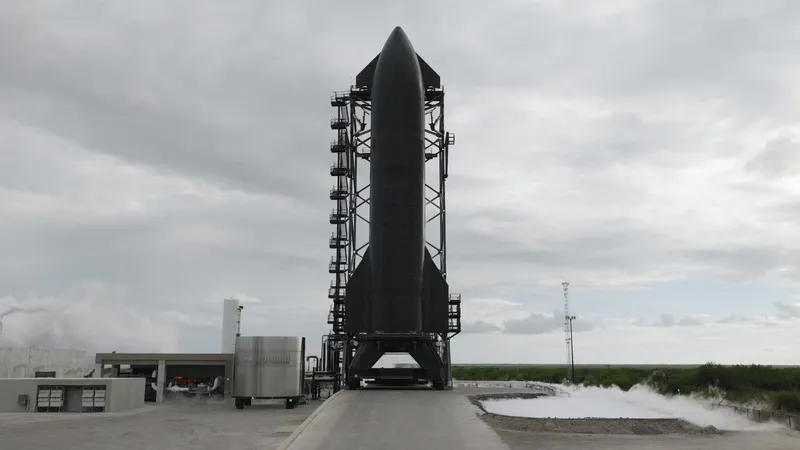
- Giga Texas is Tesla's factory in Austin, and the company's headquarters.
- Terafab is the chip fab Tesla and SpaceX are building in Texas. TechCrunch reported in August 2026 that the companies will invest $16.8 billion in a first phase in Grimes County, northwest of Houston, with about 3,000 jobs and plans for more than 100 million square feet. A research fab is planned at the Giga Texas north campus in Austin.
- Bastrop, just outside Austin, is home to the SpaceX Starlink factory, which builds the majority of Starlink products, along with The Boring Company and, since 2024, X's headquarters.
Factories are the opposite of a trend. They take years to build and they stay for decades, along with the suppliers, engineers and contractors who follow them.
The second list: why the small towns win too
The more interesting half of the post is the second list. It argues that the Triangle's growth won't stay inside the four cities.
Most of the items are about distance getting cheaper. If you can work from anywhere, you don't need to live near the office. If cars drive themselves, an hour's commute is an hour of reading. If drones and better delivery reach the suburbs and small towns, living an hour outside Austin stops meaning eating only TexMex and BBQ, as the post puts it.
Some of these, like flying cars, are bets on the future rather than descriptions of the present. That's what makes it a ten-year call. But the direction is clear. The towns between Houston, Austin and Dallas, places most people outside Texas have never heard of, are where a lot of the growth will land.
And the last item is the one people argue about: culture and values. That's the part that doesn't show up in a Census table, and it's the part many of the people moving to Texas will tell you was the reason they came.
The bottom line
The case for the Texas Triangle is not complicated. Low taxes, cheap land, good weather, a central location, diverse industries and some of the biggest factory investments in the country, spread across four big metros that are already gaining hundreds of thousands of people a year.
Ten years is a long time and forecasts are easy to make. But this one is betting on a trend that's already in the data. The trucks are already on I-45.
Sources: John LeFevre, The Texas Triangle, X, October 6, 2026; U.S. Census Bureau, Vintage 2025 metro population estimates; TechCrunch, August 6, 2026; SpaceX.